US strikes 80+ Iran targets, revokes oil licence after Hormuz attacks
Synopsis
Washington has struck more than 80 Iranian military targets and simultaneously cut off Tehran's oil export authorisation — all within hours on 8 July. The dual escalation, triggered by Iran's alleged attacks on three commercial ships in the Strait of Hormuz, is the hardest the US has hit Iran since their ceasefire last month, and signals the Trump administration is prepared to combine bombs and sanctions in a single response package.
Key Takeaways
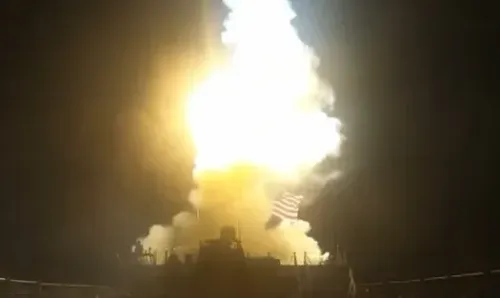
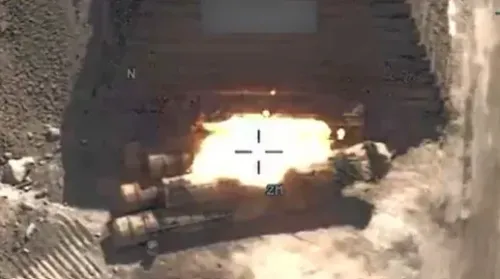
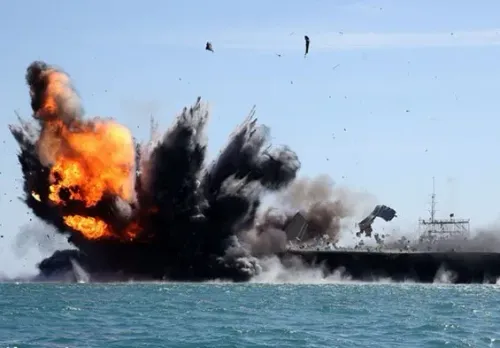
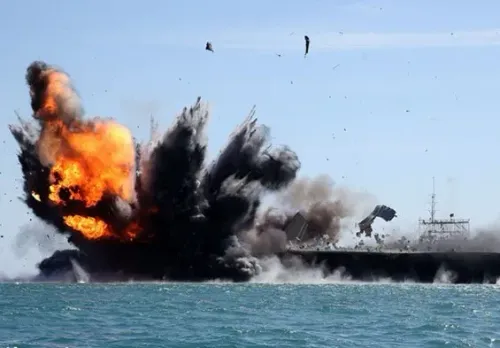
CENTCOM struck more than 80 Iranian military targets on 8 July , including air defence systems, radar sites, anti-ship missile positions, and over 60 IRGC small boats .
The strikes followed Iran's alleged attacks on three commercial vessels: M/T Al Rekayyat (Marshall Islands-flagged), M/T Wedyan (Saudi Arabia-flagged), and M/T Cyprus Prosperity (Liberia-flagged).
The US Treasury revoked General Licence X — which had permitted Iranian oil sales under the ceasefire — replacing it with the more restrictive General Licence X1 .
New purchases or loading of Iranian crude oil after 7 July are expressly barred; a wind-down period runs only until 17 July .
CENTCOM warned that further military action remains possible if Tehran continues to violate the ceasefire agreement.
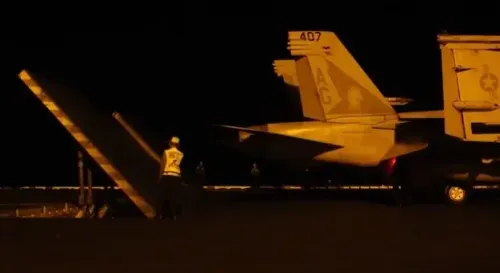
The United States on Tuesday, 8 July launched a fresh wave of CENTCOM air strikes against more than 80 Iranian military targets and simultaneously revoked a key Treasury licence permitting Tehran to export oil, marking Washington's sharpest military-economic escalation since a ceasefire was reached with Iran last month. The dual action followed Iran's alleged attacks on three commercial vessels transiting the Strait of Hormuz.
What the Strikes Targeted
American forces struck Iranian air defence systems, command and control networks, coastal radar installations, anti-ship missile capabilities, and more than 60 Islamic Revolutionary Guard Corps (IRGC) small boats operating in and around the strategically vital waterway. CENTCOM described the operation as 'an immediate response to Iran's latest attacks on commercial vessels transiting the Strait of Hormuz,' adding that the strikes were designed to degrade Tehran's capacity to disrupt international commerce through one of the world's busiest maritime trade corridors.
The Three Vessels Iran Allegedly Attacked
According to the Pentagon, Iran recently targeted three commercial ships in the strait: the Marshall Islands-flagged M/T Al Rekayyat, the Saudi Arabia-flagged M/T Wedyan, and the Liberia-flagged M/T Cyprus Prosperity. CENTCOM characterised the alleged Iranian actions as 'a clear and dangerous violation of the ceasefire' that 'undermines freedom of navigation.' The command further warned that additional military action remained on the table if Tehran continued to breach the agreement, stating that forces remain 'postured and prepared to hold Iran accountable.'
Oil Licence Revoked: What Changed
Hours before the strikes were announced, the US Treasury Department revoked General Licence X — issued on 21 June as part of the ceasefire arrangement — replacing it with the more restrictive General Licence X1. The move immediately terminated authorisation for the production, delivery, and sale of Iranian crude oil, petroleum products, and petrochemical products. A limited wind-down window runs only through 17 July for transactions previously authorised. Critically, any new purchases or loading of Iranian crude oil or petroleum products after 7 July are expressly barred under the new licence.
The Broader Strategic Picture
The combined military and economic response reflects the Trump administration's stated doctrine of pairing kinetic force with financial pressure when it judges Iran to be in violation of agreed terms. This comes amid longstanding international concern over freedom of navigation in the Strait of Hormuz, through which an estimated 20% of global oil supply transits. Notably, the strikes represent Washington's strongest military action against Iran since the ceasefire was concluded last month, raising questions about whether the agreement can survive further Iranian provocations. The reimposition of oil sanctions, even partially, could have immediate ripple effects on global crude markets and on buyers — including several Asian economies — who had begun sourcing Iranian oil under the now-revoked licence.
What Comes Next
CENTCOM's explicit warning of further action signals that Washington regards the ceasefire as conditionally intact but fragile. Diplomatic channels between the two sides were not publicly detailed in official statements. International shipping operators and energy traders will be closely watching both Iranian responses and the fate of the 17 July wind-down deadline, which could determine whether crude supply disruptions become more acute.
Point of View
And Washington has already escalated to its strongest response since then. That raises a harder question mainstream coverage is underplaying: if the ceasefire framework is this brittle, what was actually agreed to in June? The revocation of General Licence X also has outsized consequences beyond the bilateral — Asian buyers who quietly resumed Iranian crude imports under the June arrangement now face abrupt exposure, and global oil markets may price in a risk premium that outlasts the immediate military episode.
NationPress
6 Oct 2026
Frequently Asked Questions
Why did the US launch strikes on Iran on 8 July?
The US launched CENTCOM air strikes on more than 80 Iranian military targets on 8 July in response to Iran's alleged attacks on three commercial vessels — M/T Al Rekayyat, M/T Wedyan, and M/T Cyprus Prosperity — transiting the Strait of Hormuz. CENTCOM described the operation as an immediate response intended to degrade Iran's ability to disrupt international maritime commerce.
What is General Licence X and why was it revoked?
General Licence X was a US Treasury authorisation issued on 21 June that temporarily permitted the production, delivery, and sale of Iranian crude oil, petroleum products, and petrochemical products as part of the ceasefire arrangement. It was revoked on 8 July and replaced with the more restrictive General Licence X1, which bars any new purchases or loading of Iranian crude after 7 July and allows only a limited wind-down through 17 July.
Which Iranian targets were struck by CENTCOM?
CENTCOM targeted Iranian air defence systems, command and control networks, coastal radar sites, anti-ship missile capabilities, and more than 60 IRGC small boats in and around the Strait of Hormuz. The operation covered more than 80 military targets in total.
What is the significance of the Strait of Hormuz?
The Strait of Hormuz is one of the world's most critical maritime chokepoints, through which an estimated 20% of global oil supply transits. Disruptions to shipping in the strait have immediate consequences for global energy markets and supply chains.
Could the US carry out further strikes on Iran?
Yes, according to CENTCOM's own statement. The command said its forces remain 'postured and prepared to hold Iran accountable when the agreement is not adhered to or obeyed,' explicitly leaving open the possibility of additional military action if Tehran continues to violate the ceasefire.