Modi, Subianto visit Prambanan Temple amid India-Indonesia cultural push
Synopsis
Modi's visit to Prambanan wasn't just a photo opportunity — it was heritage diplomacy with a deliverable. By jointly inaugurating an India-backed conservation project at a 10th-century Hindu temple in the heart of Java, the two leaders turned a civilisational talking point into a concrete bilateral commitment, deepening India's Act East footprint in the Indo-Pacific.
Key Takeaways
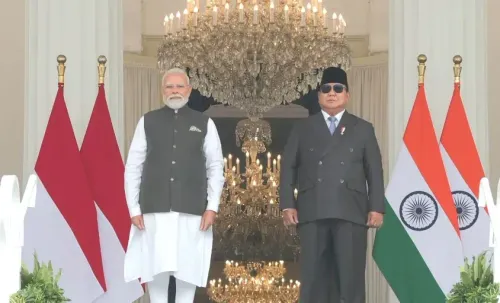
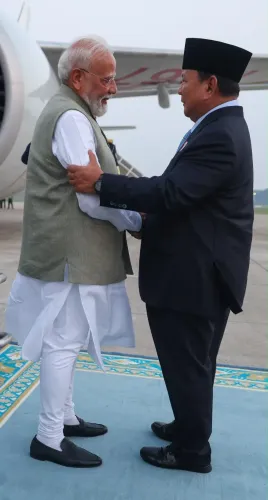
PM Modi and Indonesian President Prabowo Subianto visited Prambanan Temple , Yogyakarta, on 8 July .
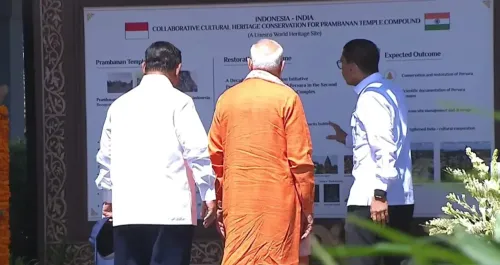
Both leaders jointly inaugurated an India-backed conservation and restoration project at the UNESCO World Heritage Site .
A Letter of Intent for the conservation project was exchanged on 7 July after bilateral talks.
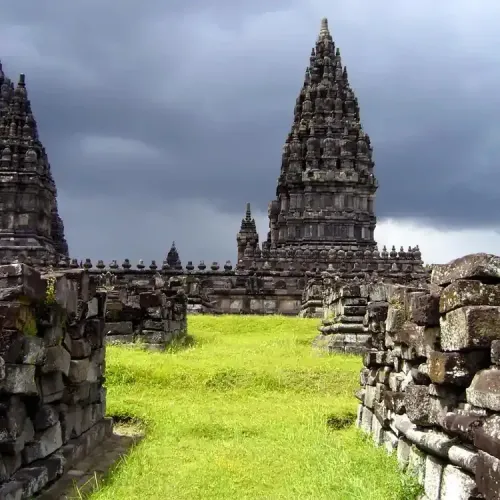
Built in the 10th century , Prambanan is Indonesia's largest Hindu temple complex, dedicated to Lord Shiva and featuring Ramayana reliefs.
Modi addressed the Indonesian Parliament, citing shared heritage through the Ramayana , Mahabharata , Garuda , and the Bali Jatra festival.
The Prambanan visit forms part of Modi's three-day state visit to Indonesia, aimed at deepening the Comprehensive Strategic Partnership .
Prime Minister Narendra Modi and Indonesian President Prabowo Subianto travelled together to the Prambanan Temple in Yogyakarta on Wednesday, 8 July, jointly inaugurating a conservation and restoration project at the UNESCO World Heritage Site — the largest Hindu temple complex in Indonesia. The visit, which formed part of Modi's three-day state visit to Indonesia, underscores the two nations' deepening civilisational ties and their renewed Comprehensive Strategic Partnership.
The Visit and What It Signifies
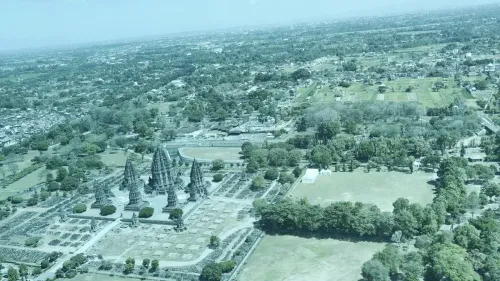
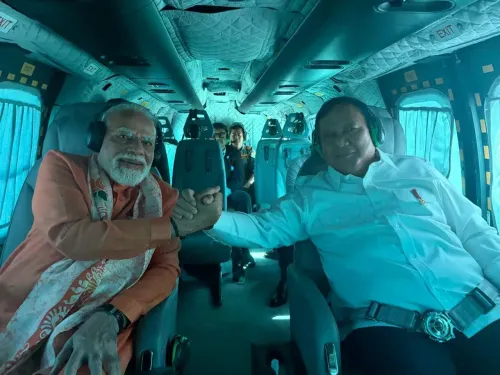
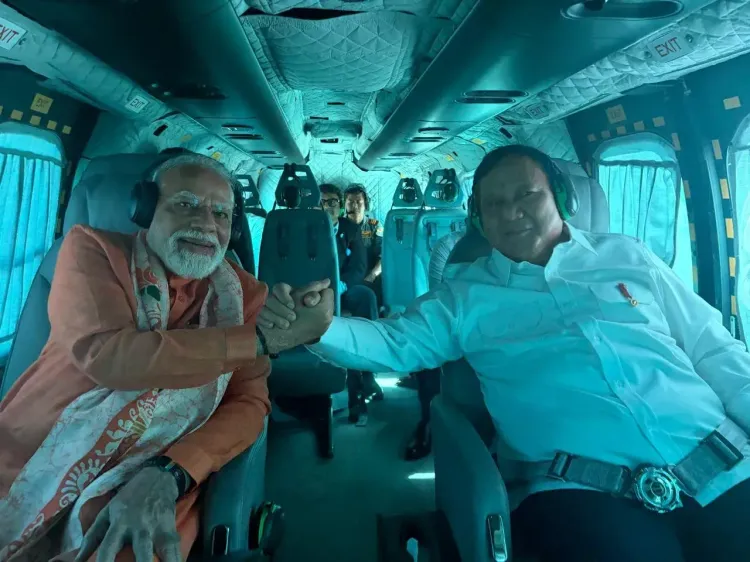
Both leaders flew to Yogyakarta together, with Modi sharing an aerial glimpse of the temple complex from the helicopter window on X (formerly Twitter), writing: 'The majestic Prambanan Temple!' The joint inauguration of the conservation project signals a tangible, India-backed commitment to preserving a site that embodies the ancient cultural corridor between South Asia and Southeast Asia.
On Tuesday, 7 July, India and Indonesia exchanged a Letter of Intent for the India-backed conservation and restoration initiative at Prambanan, formalised after bilateral talks between the two leaders. The exchange came as both sides sought to deepen their strategic partnership and discuss frameworks for a stable Indo-Pacific.
About Prambanan Temple
Built in the 10th century, the Prambanan Temple complex is dedicated primarily to Lord Shiva and features towering shrines to the Hindu trinity — Shiva, Vishnu, and Brahma — along with temples to their divine vehicles. Its walls carry intricate reliefs depicting scenes from the Ramayana, serving as a living testament to the deep spiritual and cultural links between India and the archipelago.
Modi's Address at the Indonesian Parliament
A day earlier, Modi had told the Indonesian Parliament that the two countries' relationship is 'rooted in the legacy of the Ramayana and the Mahabharata.' He said: 'India and Indonesia do not just share the sea; we also share our history... We are linked through magnificent monuments such as Borobudur and Prambanan. We are connected through Garuda, Indonesia's national emblem. We are connected through the joy and celebrations of the Bali Jatra festival.'
Notably, Garuda — the mythical eagle from Hindu and Buddhist tradition — is Indonesia's national symbol, a direct reflection of the civilisational depth that Modi sought to highlight during the visit.
Broader Context of the State Visit
Modi's Indonesia visit included bilateral talks with President Subianto, an address to the Indonesian Parliament, and an engagement with the Indian diaspora community. The Prambanan visit is the most symbolically resonant moment of the trip, combining heritage diplomacy with a concrete conservation commitment. This comes amid India's broader push to strengthen ties with ASEAN nations as part of its Act East Policy, with Indonesia — the world's largest Muslim-majority democracy — being a pivotal partner in the Indo-Pacific calculus.
The conservation project at Prambanan is expected to further institutionalise people-to-people and cultural linkages between the two countries, going beyond traditional trade and defence frameworks.
Point of View
New Delhi avoids the optics of empty cultural gestures. What is less clear is the scale and timeline of the India-backed project: a Letter of Intent is a soft commitment, not a funded programme. As India competes with China for influence across ASEAN, the durability of this engagement — beyond the headline visit — will matter far more than the photographs from Yogyakarta.
NationPress
8 Jul 2026
Frequently Asked Questions
Why did PM Modi visit Prambanan Temple in Indonesia?
PM Modi visited Prambanan Temple in Yogyakarta on 8 July as part of his three-day state visit to Indonesia. He and President Subianto jointly inaugurated an India-backed conservation and restoration project at the UNESCO World Heritage Site, reinforcing civilisational and diplomatic ties between the two countries.
What is the Prambanan Temple?
Prambanan is the largest Hindu temple complex in Indonesia, built in the 10th century and dedicated primarily to Lord Shiva. It is a UNESCO World Heritage Site located in Yogyakarta, featuring shrines to the Hindu trinity and intricate Ramayana reliefs on its walls.
What is the India-backed conservation project at Prambanan?
India and Indonesia signed a Letter of Intent on 7 July for an India-backed conservation and restoration project at the Prambanan Temple complex. The project reflects both countries' commitment to preserving their shared cultural heritage, though detailed funding and timelines have not yet been made public.
What did PM Modi say about India-Indonesia ties?
Addressing the Indonesian Parliament on Tuesday, Modi said the two countries' relationship is 'rooted in the legacy of the Ramayana and the Mahabharata.' He also cited shared symbols such as Garuda — Indonesia's national emblem — and the Bali Jatra festival as markers of the deep civilisational bond between the two nations.
What else did PM Modi do during his Indonesia visit?
Beyond the Prambanan visit, Modi held bilateral talks with President Subianto, addressed the Indonesian Parliament, and attended a programme with the Indian diaspora community in Indonesia. The visit also focused on deepening the Comprehensive Strategic Partnership and discussing frameworks for a stable Indo-Pacific.