US strikes Iran again; CENTCOM targets military sites near Strait of Hormuz
Synopsis
The US military has now struck Iran for nine consecutive evenings, with CENTCOM explicitly targeting capabilities used to disrupt Strait of Hormuz shipping. Iran’s IRGC hit back with ballistic missiles and drones at US assets in Jordan and Kuwait — a direct exchange that marks one of the most serious US-Iran military confrontations in recent history.
Key Takeaways
US forces launched a new round of strikes against Iran on 21 July , ordered by the Commander in Chief .
This was the ninth consecutive evening of US strikes, targeting command centres, air defence sites, missile and drone launch sites, and communications networks.
The USS Boxer (LHD 4) is conducting operations in the Arabian Sea as part of a US naval blockade; 7 commercial vessels have been redirected and 1 disabled as of 20 July .
Iran’s IRGC launched retaliatory ballistic missile strikes on US aircraft at Aqaba, Jordan , and drone attacks on US assets at Ali Al Salem Air Base, Kuwait .
The Strait of Hormuz — a critical global oil transit route — remains the central flashpoint of the escalating conflict.
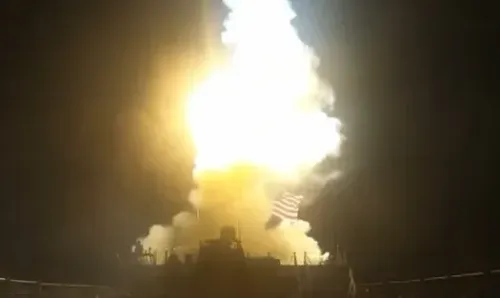
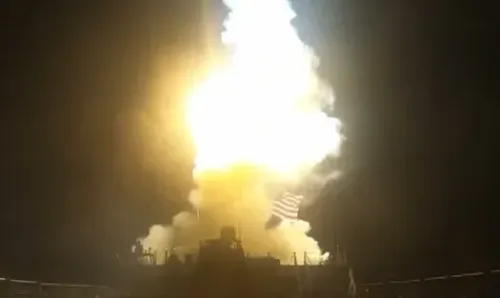
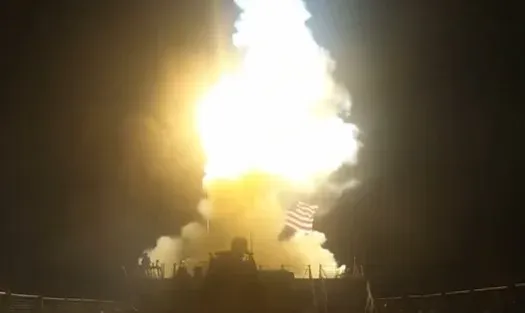
The US military launched a fresh round of strikes against Iran on 21 July, according to US Central Command (CENTCOM), as the conflict between the two nations continues to intensify. The strikes were ordered by the Commander in Chief and are aimed at further degrading Iranian military capabilities used to threaten commercial shipping in the Strait of Hormuz.
What CENTCOM Said
In a post on X, CENTCOM announced: 'Today at 4 p.m. ET, U.S. forces began a new round of strikes against Iran at the Commander in Chief’s direction. The strikes are designed to further degrade Iranian military capabilities used to attack commercial shipping in the Strait of Hormuz.'
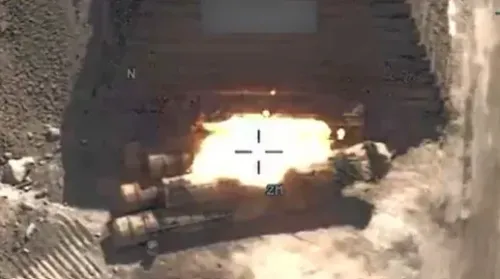
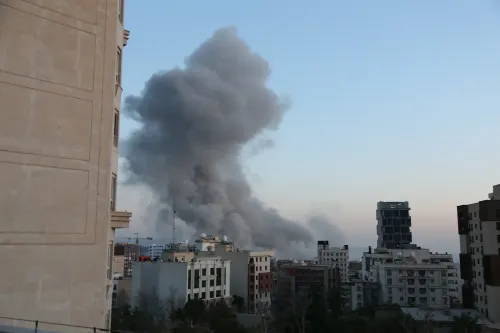
The command added that this marked the ninth consecutive evening of strikes against Iran. Targets reportedly included Iranian military command centres, air defence and coastal surveillance sites, maritime capabilities, missile and drone launch sites, and communications networks.
Naval Blockade and Maritime Operations
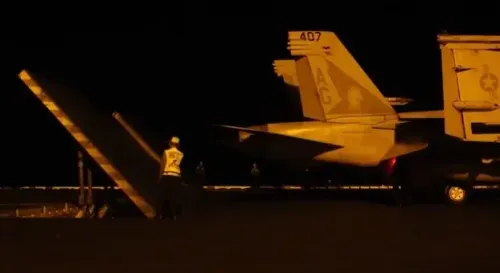
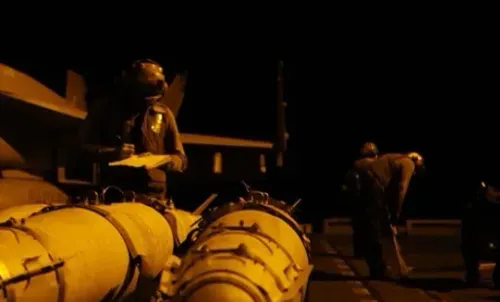
Alongside the air campaign, CENTCOM confirmed that US naval and air assets are continuing operations in the Arabian Sea as part of what it described as a naval blockade against Iran. According to CENTCOM, as of 20 July, US forces had redirected 7 commercial vessels and disabled 1 to prevent ships from entering or leaving Iranian ports. The USS Boxer (LHD 4), an amphibious assault ship, has been supporting round-the-clock flight operations from the Arabian Sea.
Iran’s Retaliatory Strikes
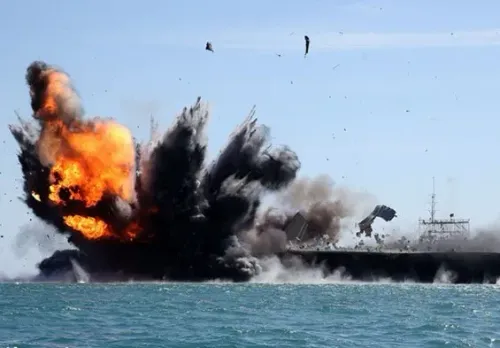
Earlier on Monday, Iran’s Islamic Revolutionary Guard Corps (IRGC) announced retaliatory missile and drone strikes against US assets in Jordan and Kuwait. According to statements published on the IRGC’s official outlet Sepah News, ballistic missiles struck US Boeing C-17 Globemaster III and Boeing P-8 Poseidon aircraft at an airport in Jordan’s port city of Aqaba, reportedly heavily damaging several of them.
The IRGC also claimed its forces destroyed an American early warning radar system in Kuwait using drones, and targeted a warehouse of equipment and aircraft parts as well as a hangar of MQ-9 Reaper drones at the Ali Al Salem Air Base, setting fire to a number of the unmanned aerial vehicles (UAVs). The IRGC stated the attacks were in retaliation for what it called repeated US 'aggressions' against Iranian territory.
Broader Escalation Pattern
This latest exchange marks a significant escalation in direct military confrontation between the two countries. The US strikes, now entering their ninth consecutive day, signal a sustained campaign rather than a one-off response. The Strait of Hormuz — through which a significant share of the world’s oil supply transits — remains the central flashpoint, with both sides appearing to dig in. The situation continues to evolve rapidly, and further developments are expected.
Point of View
Now extending to US assets in third countries like Jordan and Kuwait. That geographic spread is the most alarming signal here, not the strikes on Iran itself. The Strait of Hormuz framing — centred on protecting commercial shipping — gives Washington a defensible legal and strategic rationale, but the IRGC’s willingness to hit US positions in allied Arab states raises the risk of a broader regional conflagration that neither side may be able to contain.
NationPress
20 Oct 2026
Frequently Asked Questions
Why did the US launch fresh strikes against Iran on 21 July?
According to CENTCOM, the strikes were ordered by the Commander in Chief to further degrade Iranian military capabilities being used to attack commercial shipping in the Strait of Hormuz. This was the ninth consecutive evening of US strikes against Iran.
What did Iran’s IRGC do in retaliation?
Iran’s Islamic Revolutionary Guard Corps launched ballistic missile strikes on US Boeing C-17 and P-8 aircraft at an airport in Aqaba, Jordan, and drone attacks on a US early warning radar system and MQ-9 Reaper drone hangars at Ali Al Salem Air Base in Kuwait. The IRGC said the attacks were in response to repeated US aggressions against Iranian territory.
What is the US naval blockade against Iran?
CENTCOM has described its ongoing maritime operations in the Arabian Sea as a naval blockade designed to restrict commercial traffic to and from Iranian ports. As of 20 July, US forces had redirected 7 commercial vessels and disabled 1.
Why is the Strait of Hormuz significant?
The Strait of Hormuz is one of the world’s most critical oil transit chokepoints, through which a large share of global energy supplies pass. Disruption to shipping there has significant implications for international oil prices and energy security.
How serious is the current US-Iran military confrontation?
The exchange represents one of the most sustained and direct US-Iran military confrontations in recent history, with nine consecutive days of US strikes and Iranian retaliatory attacks now extending to US assets in Jordan and Kuwait — signalling a significant escalation beyond Iranian territory.