Iran's IRGC shoots down US MQ-1 drone amid fresh strikes
Synopsis
Iran's IRGC has now downed two US drones in a single week — an MQ-1 and an MQ-9 — while US forces conducted multiple rounds of 'self-defence strikes' inside Iran. With explosions reported near the Strait of Hormuz and both sides insisting the ceasefire still holds, the gap between official narrative and battlefield reality is widening fast.
Key Takeaways
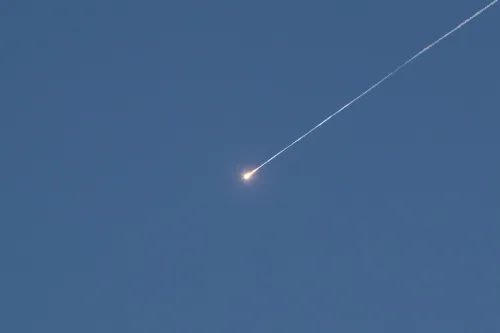
Iran's IRGC announced it shot down a US MQ-1 drone on Sunday , saying it was conducting hostile operations in Iranian territory.
Earlier in the week, the IRGC also claimed to have shot down a US MQ-9 drone and fired at a fighter jet in Iranian airspace.
CENTCOM confirmed US 'self-defence strikes' on missile launch sites and mine-laying boats in southern Iran on Monday.
A second round of US overnight strikes targeted a military site in Iran on Thursday ; officials said the ceasefire was still holding.
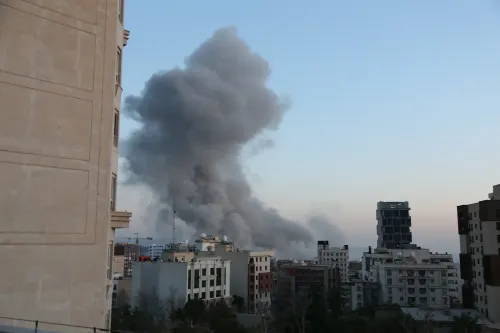
Three explosions were reported near Bandar Abbas on the Strait of Hormuz at approximately 1:30 am Thursday .
Washington has cited Iran's nuclear programme as the core driver of the conflict, while Tehran denies weaponisation intent.
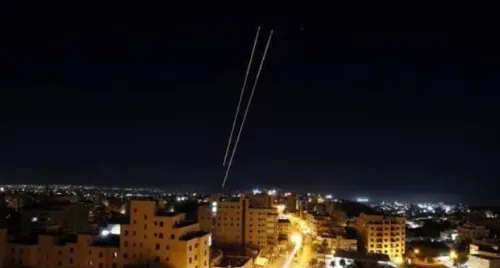
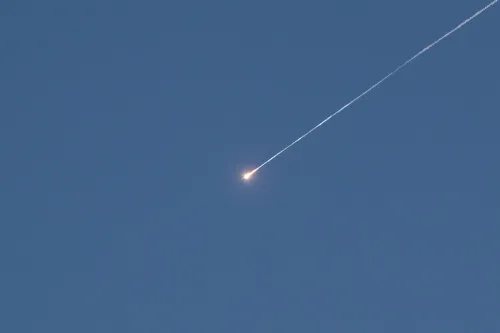
Iran's Islamic Revolution Guard Corps (IRGC) announced on Sunday, 1 June that it had shot down a US MQ-1 drone over Iranian territory, according to the state-run Islamic Republic News Agency. The IRGC said the drone had entered Iranian territorial waters with the intention of conducting hostile operations before being intercepted and destroyed by air defence missiles.
A Rapidly Escalating Exchange
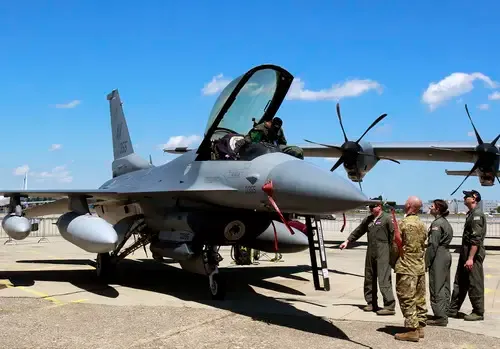
The drone downing is the latest in a sharp series of military incidents between Washington and Tehran. Earlier in the same week, the IRGC claimed it had also shot down a US MQ-9 drone, asserting a 'legitimate and definite' right to retaliate against what it described as ceasefire violations by the United States. The IRGC additionally claimed to have fired on a fighter jet that entered Iranian airspace, though independent verification of that claim was not immediately available.
US Strikes on Southern Iran
The US Central Command (CENTCOM) confirmed that American forces conducted 'self-defence strikes' on targets in southern Iran on Monday, describing the action as a protective measure for US troops. CENTCOM spokesperson Tim Hawkins said in a statement: 'US forces conducted self-defence strikes in southern Iran today to protect our troops from threats posed by Iranian forces. Targets included missile launch sites and Iranian boats attempting to emplace mines. US Central Command continues to defend our forces while using restraint during the ongoing ceasefire.'
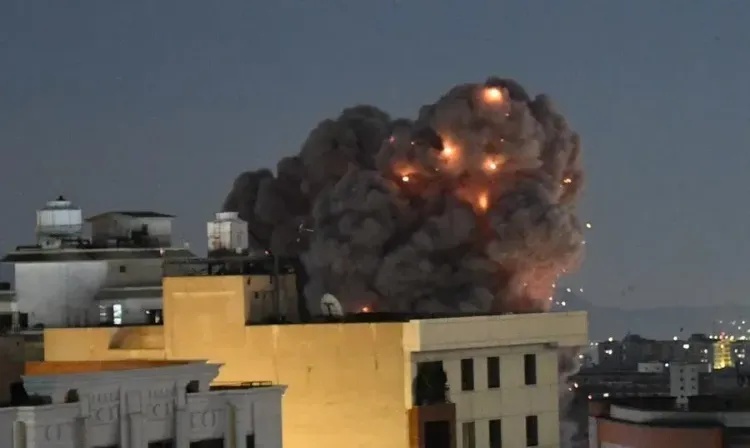
On Thursday, the US military carried out further overnight strikes inside Iran, targeting a military site that Washington said posed a threat to US forces and commercial shipping in the region, according to multiple media reports. An official described those strikes as defensive and maintained that the US-Iran ceasefire remained in effect.
Explosions Near Bandar Abbas
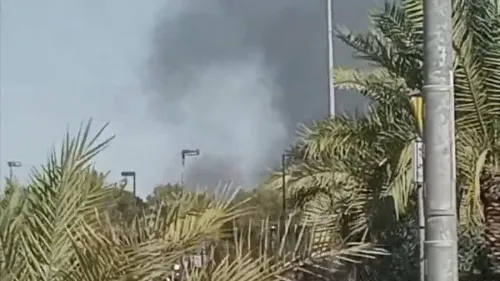
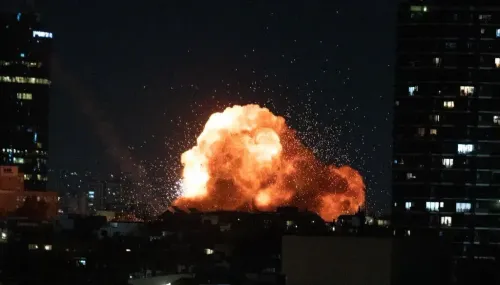
Three explosions were reported east of the Iranian port city of Bandar Abbas, situated on the strategically critical Strait of Hormuz, at approximately 1:30 am local time on Thursday (2200 GMT Wednesday), according to Iranian news agency Fars. The proximity of the blasts to one of the world's most vital maritime chokepoints — through which roughly 20% of global oil trade passes — underscores the potential economic stakes of the ongoing confrontation.
Nuclear Programme at the Core of the Conflict
Washington has cited Iran's nuclear programme as a central justification for its military posture, maintaining that Tehran poses a threat by seeking to develop nuclear weapons. Iran has consistently denied weaponisation intent. This broader backdrop has drawn in Israel as a key regional actor, with the US framing its strikes partly in the context of the Israel-Iran confrontation. The sequence of drone incidents, airstrikes, and mine-laying allegations suggests that despite both sides nominally observing a ceasefire, the ground reality is one of active, if contained, hostilities.
What Comes Next
The pattern of tit-for-tat incidents raises questions about the durability of the existing ceasefire framework. Analysts warn that a miscalculation — particularly near the Strait of Hormuz — could rapidly escalate into a broader regional crisis. International observers and Gulf states with significant exposure to Hormuz shipping will be watching closely as both sides continue to test each other's red lines.
Point of View
Meanwhile, risks becoming a permanent justification for open-ended military action with no defined endpoint.
NationPress
15 Oct 2026
Frequently Asked Questions
What drone did Iran's IRGC claim to shoot down?
Iran's IRGC claimed on Sunday to have shot down a US MQ-1 drone, saying it had entered Iranian territorial waters with hostile intent and was intercepted by air defence missiles. Earlier in the same week, the IRGC also claimed to have downed a US MQ-9 drone.
Why did the US conduct strikes inside Iran?
The US Central Command said it carried out 'self-defence strikes' in southern Iran to protect American troops from threats posed by Iranian forces. Targets reportedly included missile launch sites and Iranian boats attempting to lay mines.
Is the US-Iran ceasefire still in effect?
US officials have maintained that the ceasefire is still holding despite the strikes, describing all military actions as defensive. However, the IRGC has warned of 'legitimate and definite' retaliation for what it calls ceasefire violations by the United States.
What happened near Bandar Abbas on the Strait of Hormuz?
Three explosions were reported east of the Iranian port city of Bandar Abbas, on the Strait of Hormuz, at around 1:30 am Thursday local time, according to Iranian news agency Fars. The cause was not immediately confirmed.
What is the broader context of the US-Iran conflict?
Washington has cited Iran's nuclear programme as a key reason for the military confrontation, asserting that Tehran seeks to develop nuclear weapons. Iran denies this. The conflict also intersects with the Israel-Iran standoff, which the US has cited as part of its regional security rationale.