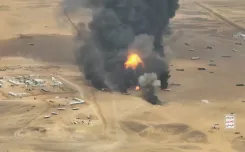
Iran IRGC strikes US bases in Kuwait, Bahrain after Qeshm attacks
Synopsis
Iran's IRGC fired ballistic missiles at US military bases in Kuwait and Bahrain on 6 June, in direct retaliation for American drone strikes on Iranian soil — marking one of the most direct Iran-US military exchanges in years. With the Strait of Hormuz already blockaded and Kuwait counting casualties from earlier Iranian strikes, the Gulf is closer to open conflict than at any point in recent memory.
Key Takeaways
Iran's IRGC claimed ballistic missile strikes on the Ali Al Salem Air Base in Kuwait and US Fifth Fleet headquarters in Bahrain on 6 June .
The strikes were described as retaliation for US drone attacks on Qeshm Island and Sirik County at 2:30 a.m. local time .
Kuwait confirmed its air defences intercepted 'hostile targets'; US Central Command acknowledged striking Iranian radar sites on Friday.
Earlier this week, Iranian strikes on Kuwait killed 1 person and injured 63 others , damaging Kuwait International Airport .
Iran has barred US- and Israel-affiliated vessels from the Strait of Hormuz since 28 February ; the US has imposed a counter-blockade.
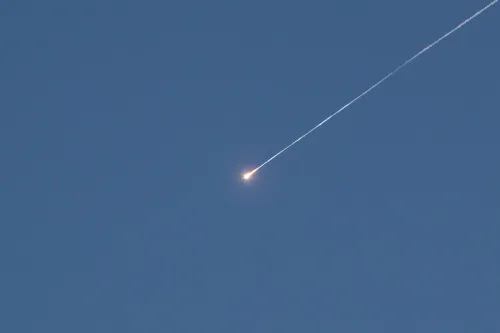
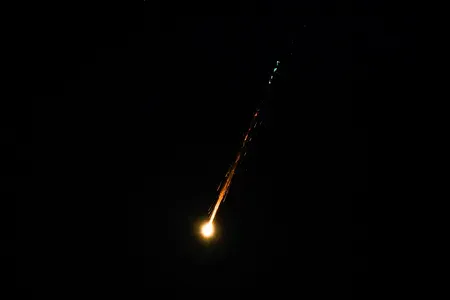
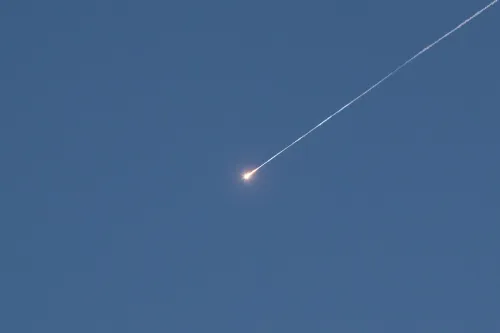
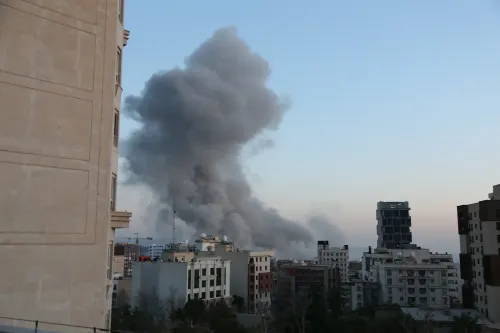
Iran's Islamic Revolutionary Guard Corps (IRGC) on Saturday, 6 June claimed it launched ballistic missile strikes on US military bases in Kuwait and Bahrain in direct retaliation for what it described as American drone attacks on Qeshm Island and Sirik County in southern Iran. The strikes mark a sharp escalation in the Persian Gulf standoff between Tehran and Washington.
Targets and Timeline
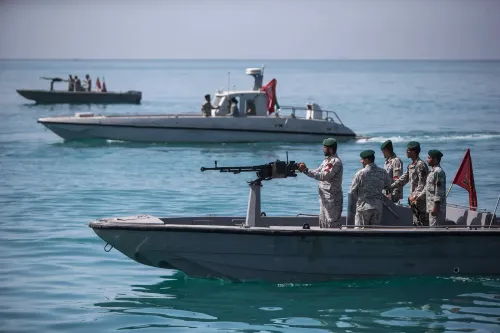
According to an IRGC statement on its official outlet Sepah News, the targeted facilities were the Ali Al Salem Air Base in Kuwait and the US Fifth Fleet headquarters in Bahrain. The sequence of events, as described by the IRGC, began at 1:30 a.m. local time on Saturday, when four oil tankers allegedly attempted to exit the Strait of Hormuz without IRGC Navy coordination. One tanker was targeted after repeated warnings; the others turned back.
At 2:30 a.m. local time, according to the IRGC, US drones struck communications towers on Qeshm Island and in Sirik County. The IRGC's aerospace division responded almost immediately, firing ballistic missiles at the two US bases.
US and Kuwaiti Response
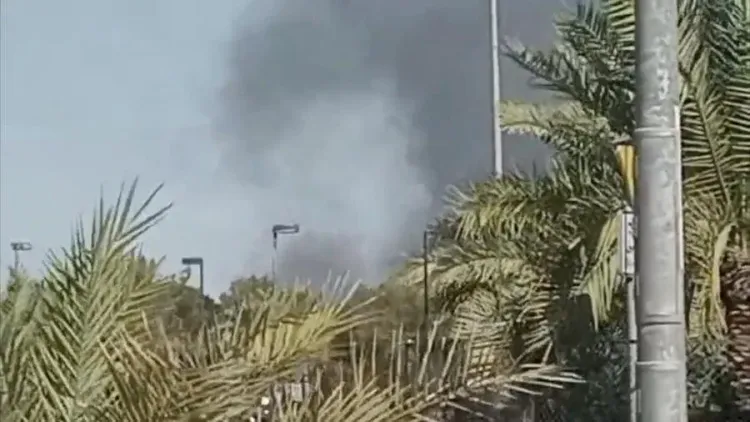
The US Central Command said in a post on social platform X that American forces had struck some of Iran's radar sites on Friday — a statement that preceded the IRGC's claimed retaliatory strikes. The General Staff of the Kuwaiti Armed Forces confirmed on Saturday that Kuwaiti air defence systems intercepted missile and drone attacks, stating that any explosions heard across different areas were the result of air defences engaging 'hostile targets.' Kuwaiti authorities urged the public to follow safety and security instructions from relevant agencies.
Days of Escalation
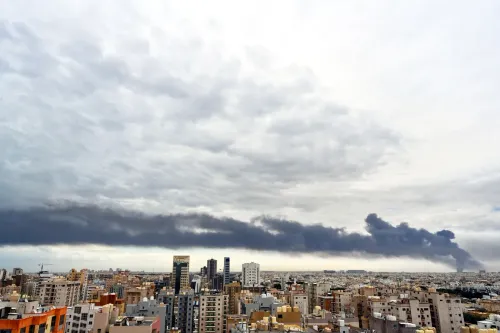
The latest exchange follows an already volatile week in the Gulf. Kuwait had earlier accused Iran of launching 13 ballistic missiles and 17 drones toward the Gulf state. On Wednesday, Kuwaiti authorities confirmed that one person was killed and 63 others were injured in those attacks, which damaged facilities at Kuwait International Airport and temporarily disrupted air traffic.
Strait of Hormuz at the Centre
The Strait of Hormuz has been a flashpoint since 28 February, when Iran barred safe passage for vessels belonging to or affiliated with Israel and the United States, following joint strikes on Iranian territory. The United States has also imposed a naval blockade on the strait, preventing ships travelling to and from Iranian ports from transiting the waterway. The strait carries an estimated 20% of global oil trade, making any sustained disruption a direct threat to energy markets worldwide.
With both sides trading strikes and counter-strikes, the Gulf corridor remains on a knife-edge. All eyes are now on whether diplomatic back-channels can halt further escalation — or whether the next exchange draws in additional regional actors.
Point of View
A threshold that has not been crossed so explicitly in decades. The IRGC's decision to name specific US installations, rather than ambiguously 'respond,' signals Tehran is calibrating for visibility as much as deterrence. The Strait of Hormuz blockade, now layered with a US counter-blockade, has turned the world's most critical oil chokepoint into a live theatre of operations. What mainstream coverage risks underplaying is the cumulative logic: each exchange raises the floor for the next retaliation, and neither side has yet signalled a de-escalation off-ramp.
NationPress
20 Sept 2026
Frequently Asked Questions
What did Iran's IRGC strike on 6 June?
Iran's IRGC claimed it fired ballistic missiles at the Ali Al Salem Air Base in Kuwait and the US Fifth Fleet headquarters in Bahrain on 6 June. The strikes were described as retaliation for US drone attacks on Qeshm Island and Sirik County in southern Iran.
What triggered the IRGC's missile strikes?
According to the IRGC, US drones attacked communications towers on Qeshm Island and in Sirik County at 2:30 a.m. local time on Saturday, following a confrontation over oil tankers in the Strait of Hormuz. The IRGC said it responded immediately with ballistic missiles.
How did Kuwait respond to the missile and drone attacks?
The General Staff of the Kuwaiti Armed Forces confirmed that Kuwaiti air defence systems intercepted missile and drone attacks on Saturday. Authorities attributed explosions heard across the country to air defences engaging hostile targets and urged the public to follow safety instructions.
What casualties have been reported in the broader escalation?
Kuwait reported one person killed and 63 others injured in earlier Iranian strikes this week, which also damaged facilities at Kuwait International Airport and briefly disrupted air traffic. Casualty figures from the 6 June missile strikes had not been officially confirmed at the time of reporting.
Why is the Strait of Hormuz significant in this conflict?
The Strait of Hormuz is a critical global oil chokepoint, carrying roughly 20% of world oil trade. Iran barred US- and Israel-affiliated vessels from the strait on 28 February; the United States subsequently imposed a counter-blockade, turning the waterway into a focal point of the military standoff.