IRGC claims 'heavy blows' on US bases in Bahrain, Kuwait in three-round strike
Synopsis
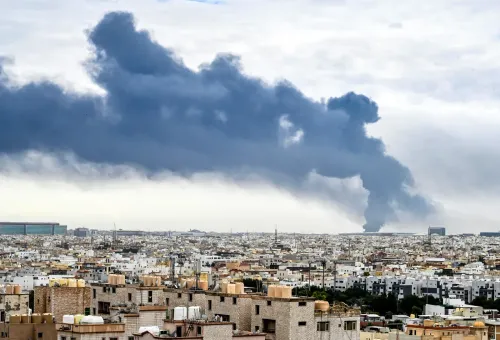
Iran's IRGC has dramatically widened its retaliatory strikes, hitting US military facilities across Bahrain and Kuwait in three coordinated rounds of missile and drone attacks — while the US confirmed its ninth consecutive night of strikes on Iran. With explosions still being reported in Iran's southern provinces, this conflict is no longer contained to Iranian territory.
Key Takeaways
Iran's IRGC claimed three rounds of missile and drone strikes on US assets in Bahrain and Kuwait on 20 July .
Targets reportedly included Al-Sakhir Air Base , Salman Port (home to Task Force 59 vessels), and Camp Arifjan in Kuwait.
Bahrain's Ministry of Foreign Affairs condemned the attacks as targeting 'vital civilian infrastructure.' US Central Command confirmed completing the ninth consecutive evening of strikes against Iran.
Explosions were also reported in Iran's southern provinces of Hormozgan and Fars on Monday evening.
The IRGC also claimed separate strikes on US aircraft in Aqaba, Jordan the same day.
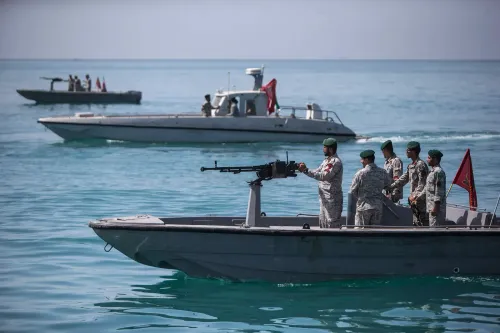
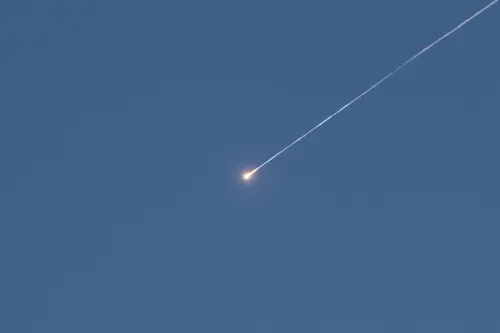
Iran's Islamic Revolutionary Guard Corps (IRGC) announced on Monday, 20 July that its naval forces had carried out three successive rounds of missile and drone strikes against US military assets and facilities in Bahrain and Kuwait, claiming the attacks inflicted 'heavy blows' in direct retaliation for American strikes on Iranian provinces. The IRGC detailed the operations through its official outlet Sepah News, marking one of the most expansive Iranian counter-strike claims since the current escalation began.
Three Rounds of Strikes: What the IRGC Claimed
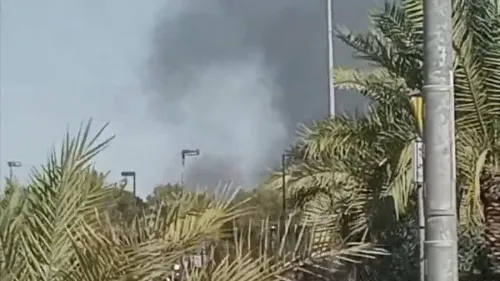
According to the IRGC statement, the first round targeted drone maintenance and repair hangars used by US units at Al-Sakhir Air Base in Bahrain, which it said were 'destroyed.' The second round focused on US silos housing Task Force 59 vessels at Salman Port in Bahrain — the IRGC claimed those silos were 'destroyed' and the vessels 'heavily damaged.' The third round, according to the statement, set fire to and 'destroyed' facilities used to station, support, and equip US special naval commandos at Camp Arifjan in Kuwait. These claims have not been independently verified.
Bahrain Condemns Attacks, Flags Civil Aviation Disruption
Bahrain's Ministry of Foreign Affairs strongly condemned the repeated Iranian strikes, stating they targeted 'vital civilian infrastructure' and posed a direct threat to civilian lives. The country's Civil Aviation Affairs authority separately confirmed that civil air navigation systems within the Bahrain flight information region were targeted by Iranian drones, though it said air navigation services remained unaffected.
Broader Escalation: Jordan, Kuwait, and Ongoing US Strikes on Iran
Earlier the same day, the IRGC also claimed strikes on US aircraft in Jordan's port city of Aqaba and on assets in Kuwait. US Central Command acknowledged in a social media post that its forces had 'completed the ninth consecutive evening of strikes against Iran,' framing the American campaign as aimed at 'degrading Iran's ability to threaten commercial shipping.' Meanwhile, explosions were reported on Monday evening in Iran's southern provinces of Hormozgan and Fars, according to the semi-official Mehr news agency — indicating the exchange of fire was continuing into the night.
Context: A Rapidly Escalating Military Exchange
The US has launched multiple waves of strikes on Iran's southern provinces, while Iran has responded with missile and drone attacks on American military installations across the region. This marks at least the ninth consecutive night of US strikes on Iran, with Tehran expanding its retaliatory footprint to include facilities in at least three countries — Bahrain, Kuwait, and Jordan. The pattern signals a significant widening of the conflict beyond Iranian territory, raising concerns among Gulf states about the security of their soil and airspace.
Point of View
With no ceasefire signal from either side, suggests this exchange has acquired its own momentum — and the window for diplomatic off-ramps is narrowing fast.
NationPress
20 Oct 2026
Frequently Asked Questions
What did Iran's IRGC claim to have struck in Bahrain and Kuwait?
The IRGC claimed it destroyed drone maintenance hangars at Al-Sakhir Air Base in Bahrain, targeted Task Force 59 vessels at Salman Port in Bahrain, and set fire to US special naval commando facilities at Camp Arifjan in Kuwait — all in three separate rounds of missile and drone strikes on 20 July.
Why did Iran carry out these strikes?
The IRGC stated the attacks were carried out in direct retaliation for US strikes on Iranian provinces. The US has described its own campaign as aimed at degrading Iran's ability to threaten commercial shipping in the region.
How did Bahrain respond to the Iranian attacks?
Bahrain's Ministry of Foreign Affairs condemned the strikes, calling them an attack on 'vital civilian infrastructure' that posed a direct threat to civilian lives. The country's Civil Aviation Affairs authority also confirmed that air navigation systems were targeted, though services reportedly remained unaffected.
How many nights of US strikes on Iran had taken place by 20 July?
US Central Command confirmed that its forces had completed nine consecutive evenings of strikes against Iran as of Monday, 20 July, making this one of the most sustained American military campaigns against Iran in recent history.
Were there any other countries targeted in the IRGC's retaliatory strikes?
Yes. The IRGC also claimed strikes on US aircraft in Aqaba, Jordan's port city, on the same day — indicating Iran's retaliatory operations extended beyond Bahrain and Kuwait to at least three countries in the region.