IRGC claims strikes on US bases in Jordan, Kuwait and Bahrain
Synopsis
Iran's IRGC claims it struck US military assets across three countries — Jordan, Kuwait, and Bahrain — in a single overnight window, while CENTCOM confirmed its own seventh consecutive night of strikes on Iran. With fires at civilian infrastructure in Kuwait and air defences activated in Bahrain and Jordan, the conflict is no longer contained to Iranian soil.
Key Takeaways
Iran's IRGC claimed strikes on a US base at Al-Azraq, Jordan , destroying at least two fighter jets and three aircraft .
The IRGC's Navy reportedly hit the US fuel supply dock at Bandar Al-Ahmadi, Kuwait and Sheikh Isa Air Base in Bahrain .
An intelligence data centre in Bahrain identified as Batelco and a US signals centre in Kuwait were also claimed as targets.
CENTCOM confirmed the seventh consecutive night of US strikes on Iran on 17 July , hitting surveillance sites, weapons storage, and maritime assets.
Iranian state media reported 3 killed and 8 injured in the latest US strikes on Iran.
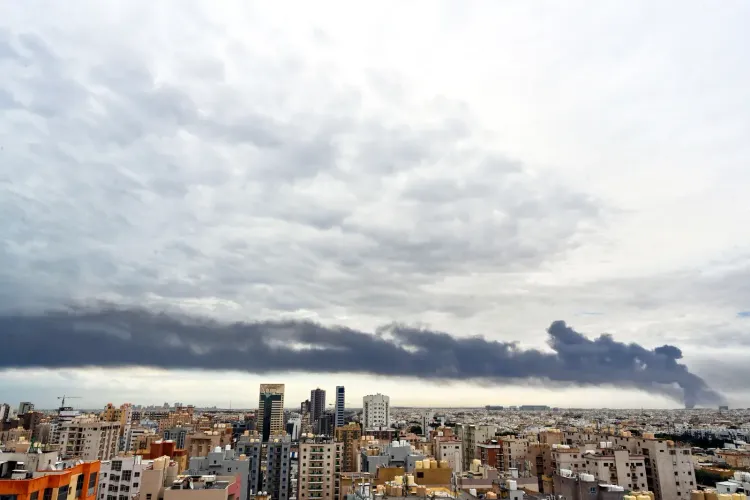
A fire broke out at a Kuwait power and desalination plant ; Jordan and Bahrain activated air defences.
Iran's Islamic Revolutionary Guard Corps (IRGC) on Saturday, 18 July claimed it had attacked a US military base in Jordan, targeted a fuel supply dock in Kuwait, and destroyed a data centre in Bahrain, according to Iranian state media. The claims mark a significant escalation in direct military exchanges between Iran and United States forces across the Middle East.
Strikes on Jordan: Fighter Jets and Aircraft Destroyed
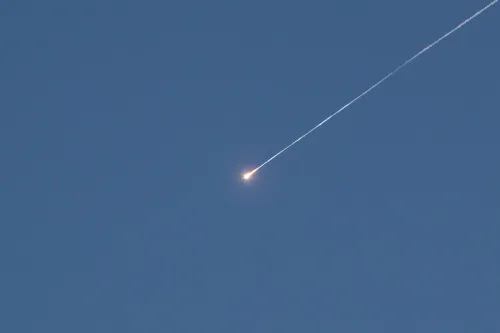
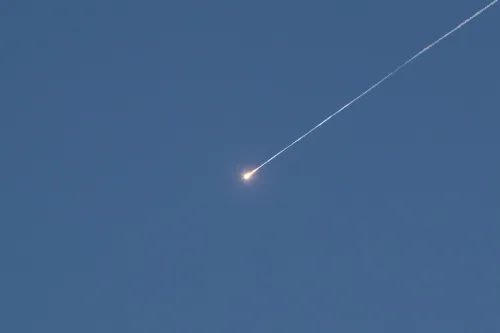
Iran's state-run news agency Sepah reported that the Sahargah Corps Aerospace Force of the IRGC conducted coordinated missile and drone strikes on fighter jet shelters and a large parking ramp at the American base in Al-Azraq, Jordan. According to the IRGC statement, the attack completely destroyed at least two fighter jets and three American aircraft, with major damage reported to several others.
Kuwait and Bahrain Targeted in Separate Strikes
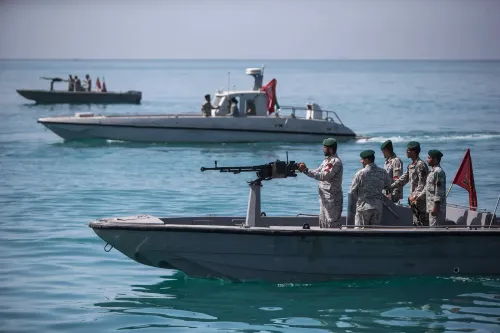
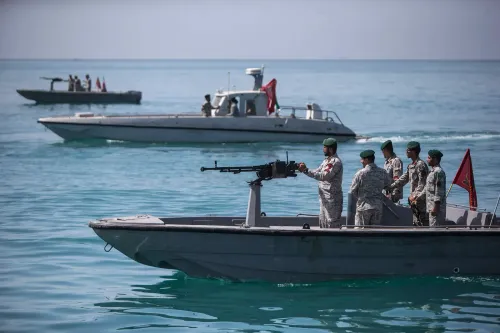
In a separate statement, the IRGC claimed its Navy struck the US fleet's fuel supply dock at Bandar Al-Ahmadi, Kuwait on Friday night, while simultaneously hitting the warplane gathering point at Sheikh Isa Air Base in Bahrain using drone and missile strikes. The IRGC further claimed to have destroyed an intelligence data centre in Bahrain identified as Batelco, and a US signals and communications centre in Kuwait.
US CENTCOM Confirms Seventh Night of Strikes on Iran
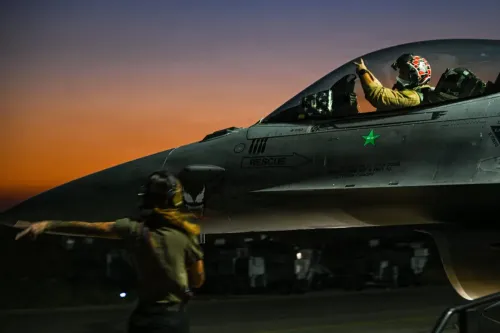
Late on Friday, 17 July, US Central Command (CENTCOM) confirmed in a post on social media platform X that American forces had concluded their seventh consecutive night of strikes against Iran. 'US forces ended the seventh consecutive night of strikes against Iran on July 17 at 9:30 pm ET. US Central Command (CENTCOM) hit surveillance sites, military logistics infrastructure, underground weapons storage, and maritime capabilities. US forces employed fighter aircraft, aerial drones, and warships in addition to other assets,' CENTCOM stated. According to Iranian state media, the latest US strikes killed three people and injured eight others.
Regional Defences Activated, Civilian Infrastructure Hit
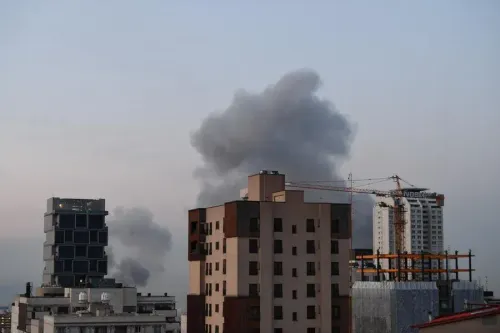
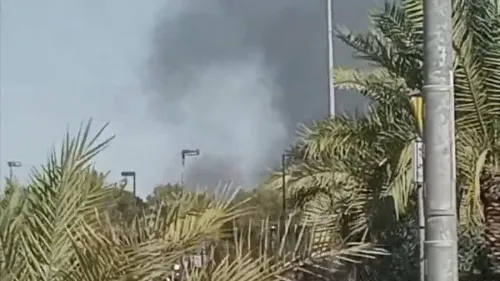
Jordan's air defence systems reportedly downed Iranian missiles, while Bahrain said it intercepted several Iranian aerial attacks. In Kuwait, local media reported that a fire broke out at a power and water desalination plant following an Iranian strike. The targeting of civilian-adjacent infrastructure marks a notable widening of the conflict's footprint. This is the seventh consecutive night of US strikes on Iran, underscoring the sustained and intensifying tempo of the exchange.
What Comes Next
With both sides now claiming strikes across multiple countries in a single 24-hour window, the risk of miscalculation is acute. Regional governments — particularly Jordan, Kuwait, and Bahrain — face mounting pressure to publicly define their positions as the conflict encroaches on their territory. Diplomatic channels remain largely silent as military operations dominate the landscape.
Point of View
Kuwait, and Bahrain represent a deliberate messaging strategy as much as a military one — signalling that Iran can strike US assets beyond its own borders even as American forces complete a seventh straight night of strikes on Iranian soil. What is striking is the geography: three US-allied Arab states now have Iranian ordnance on their territory, placing their governments in an impossible position between Washington and Tehran. The targeting of civilian-adjacent infrastructure — a desalination plant in Kuwait, a telecoms data centre in Bahrain — raises the humanitarian stakes and the legal questions simultaneously. Mainstream coverage is focusing on the military exchange; the harder story is the pressure fracturing on Gulf states that have quietly hosted US assets for decades.
NationPress
17 Oct 2026
Frequently Asked Questions
What did Iran's IRGC claim to have attacked on 18 July?
The IRGC claimed it struck a US military base at Al-Azraq in Jordan, a US fuel supply dock at Bandar Al-Ahmadi in Kuwait, and a warplane base and intelligence data centre in Bahrain, all using missile and drone strikes. These claims were made via Iranian state media and have not been independently verified.
What did US CENTCOM say about the strikes?
CENTCOM confirmed on social media platform X that US forces ended their seventh consecutive night of strikes against Iran on 17 July at 9:30 pm ET, targeting surveillance sites, military logistics infrastructure, underground weapons storage, and maritime capabilities using fighter aircraft, drones, and warships.
Were there casualties in the US strikes on Iran?
According to Iranian state media, three people were killed and eight others were injured in the latest round of US strikes on Iran. These figures have been reported by Iranian sources and have not been independently confirmed.
How did Jordan, Kuwait, and Bahrain respond?
Jordan's air defence systems reportedly downed Iranian missiles, Bahrain said it intercepted several Iranian aerial attacks, and Kuwait reported a fire at a power and water desalination plant following an Iranian strike, according to local media reports on Saturday.
Why is this escalation significant?
This marks one of the most geographically broad single-night exchanges in the ongoing Iran-US confrontation, with IRGC claims spanning three countries simultaneously. The targeting of civilian infrastructure — a desalination plant and a telecoms centre — signals a potential widening of the conflict's scope beyond purely military assets.