CM Bhajan Lal Holds Gram Vikas Chaupal in Nagaur
Synopsis
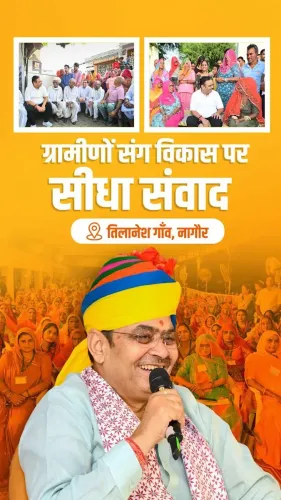
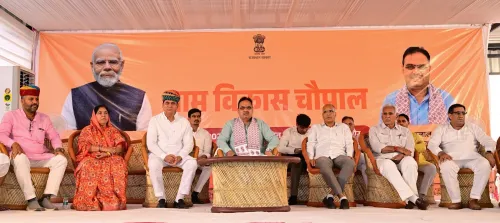
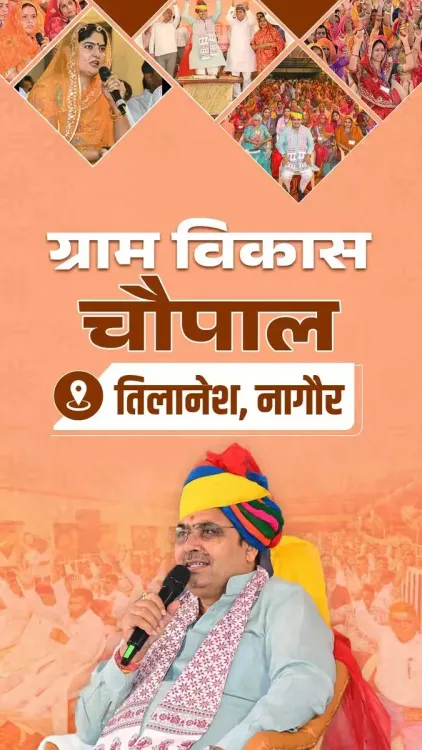
Rajasthan Chief Minister Bhajan Lal Sharma attended a Gram Vikas Chaupal at Tilanesh Gram Panchayat in Nagaur on 18 July 2026, holding direct dialogue with farmers, rural women, youth, livestock rearers, and elders to gather development inputs.
Key Takeaways
Bhajan Lal Sharma participated in a Gram Vikas Chaupal at Tilanesh Gram Panchayat , Nagaur district , on 18 July 2026 .
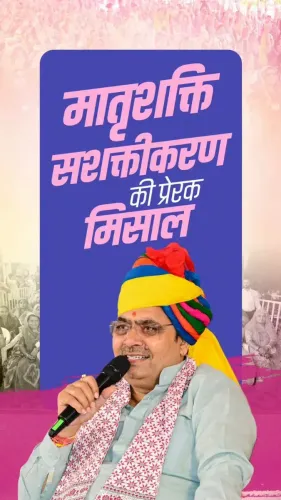
The forum brought together rural women ( matrishakti ), farmers ( annadatas ), youth, livestock rearers, and senior citizens.
The CM described the Chaupal as the 'most powerful platform' for channelling public dialogue into development direction.
The event fits the BJP state government's pattern of direct CM-villager interactions initiated after the December 2023 assembly election victory.
Suggestions gathered are expected to feed into district action-taken reports and future rural scheme planning for Nagaur .
Nagaur 's agrarian and livestock economy makes it a key district for consultations on farm support, water access, and animal husbandry policy.
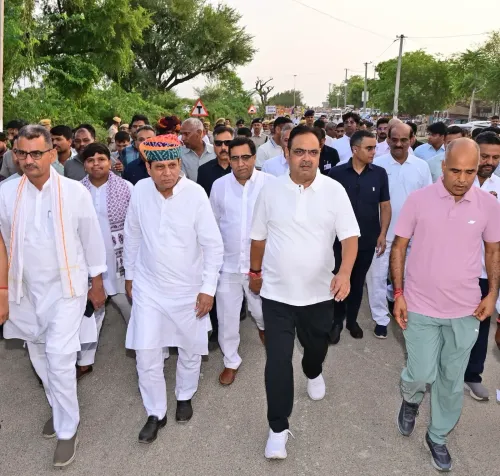
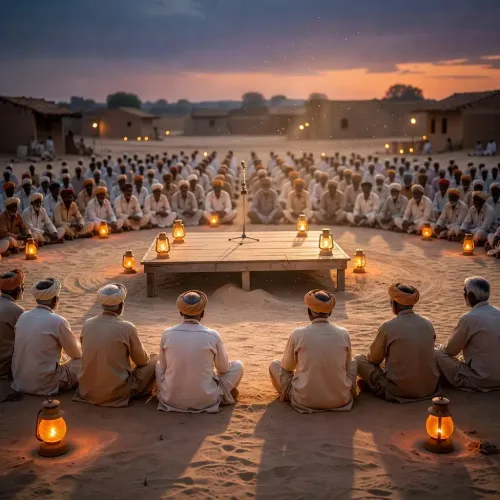
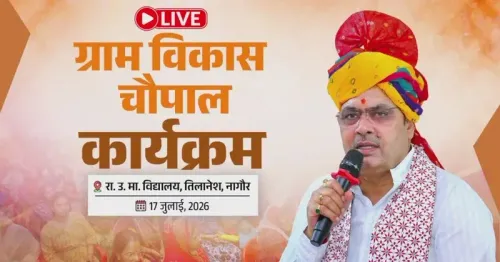
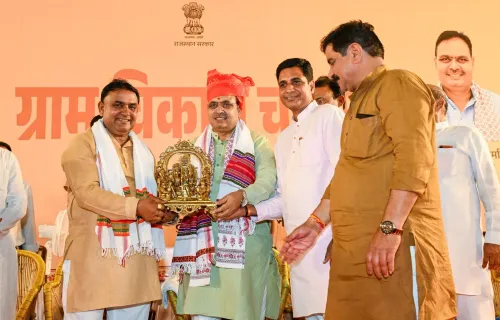
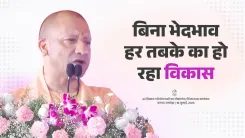
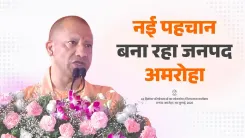
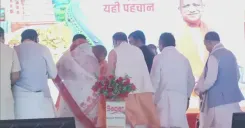
Rajasthan Chief Minister Bhajan Lal Sharma on Saturday, 18 July 2026, participated in a Gram Vikas Chaupal at Tilanesh Gram Panchayat in Nagaur district, engaging directly with rural women, farmers, youth, livestock rearers, and elders to understand their development priorities.
Context
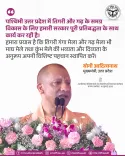
In the post, Chief Minister Sharma described the Gram Vikas Chaupal as 'jansanvad, janvishwas aur janbhagidari' — a platform of public dialogue, public trust, and public participation — calling it 'the most powerful forum for giving development a new direction.' He noted that the interaction at Tilanesh Gram Panchayat gave him the opportunity to hear the 'thoughts, suggestions, and aspirations' of matrishakti (women), annadatas (farmers), young companions, livestock-rearing brothers, and senior citizens.
Nagaur is a predominantly agrarian district in western Rajasthan, with a significant economy built around agriculture and animal husbandry — making it a natural site for consultations that touch on farm support, water access, and livestock welfare.
Policy Backdrop
The Gram Vikas Chaupal format draws on Rajasthan's Panchayati Raj framework, which was institutionalised through the 73rd Constitutional Amendment of 1992. That amendment mandated gram sabhas and panchayat-level planning as the bedrock of grassroots democracy, and state governments have since built structured public consultation mechanisms on top of it.
Since taking office in December 2023, Chief Minister Sharma and the BJP state government have made direct CM-villager interactions a recurring feature of governance, using them to feed community feedback into district annual plans and state budget priorities — particularly for arid and semi-arid regions like Nagaur.
Across Indian states, such structured consultation platforms have increasingly been used to improve the targeting of schemes in agriculture, animal husbandry, and women-centric programmes, with suggestions gathered at the village level often informing the rollout of new scheme components in subsequent financial years.
Stakeholders and Impact
The five groups specifically mentioned by the Chief Minister — rural women, farmers, youth, livestock rearers, and elderly villagers — represent the primary beneficiary categories of most centrally and state-sponsored rural development schemes. Their direct participation in a forum like this gives local administrators a clearer picture of on-ground gaps in service delivery.
For Nagaur, where livestock rearing is a major livelihood alongside crop farming, feedback from animal husbandry communities is particularly relevant to state decisions on veterinary services, fodder support, and insurance coverage under existing schemes.
What's Next
The immediate follow-up will be watched at the district level, where officials are expected to compile suggestions received at the Chaupal into action-taken reports. These inputs could shape the allocation of resources for rural infrastructure, water supply, and livelihood programmes in Nagaur during the next planning cycle.
As the BJP government continues its rural outreach calendar, similar Gram Vikas Chaupal events across other districts of Rajasthan are likely to serve as both a governance tool and a political touchpoint with the state's predominantly rural electorate.
Point of View
Not just follow it. This approach mirrors a broader trend across BJP-governed states where structured public consultation is used simultaneously as a planning instrument and a political communication tool. The real test will be whether suggestions gathered at such Chaupals translate into measurable changes in scheme delivery at the district level.
NationPress
18 Jul 2026
Frequently Asked Questions
What is Gram Vikas Chaupal in Rajasthan?
Gram Vikas Chaupal is a state-promoted village-level public forum in Rajasthan where government officials and leaders engage directly with residents to gather suggestions and aspirations on local development priorities, feeding inputs into district and state planning processes.
Where did CM Bhajan Lal Sharma hold the Chaupal on 18 July 2026?
Chief Minister Bhajan Lal Sharma held the Gram Vikas Chaupal at Tilanesh Gram Panchayat in Nagaur district of Rajasthan on 18 July 2026.
Who participated in the Gram Vikas Chaupal at Nagaur?
The Chaupal at Tilanesh Gram Panchayat included rural women (matrishakti), farmers (annadatas), youth, livestock rearers, and senior citizens from the local community.
What is the significance of Nagaur district for rural development in Rajasthan?
Nagaur is a western Rajasthan district with a predominantly agrarian economy and significant livestock rearing activity, making it an important location for consultations on farm support, animal husbandry policy, and water access schemes.
How does the Gram Vikas Chaupal connect to India's Panchayati Raj system?
The Gram Vikas Chaupal builds on the framework established by the 73rd Constitutional Amendment of 1992, which institutionalised gram sabhas and panchayat-level consultations as the foundation of grassroots democratic planning in India.