CM Yogi Launches 66 Projects Worth ₹569 Cr in Sambhal
Synopsis
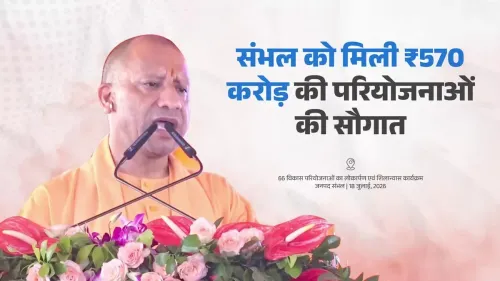
Chief Minister Yogi Adityanath presided over the inauguration and foundation-laying of 66 development projects worth ₹569 crore in Sambhal district on 18 July 2026, continuing the Uttar Pradesh government's practice of large-scale, single-day district development events.
Key Takeaways
Chief Minister Yogi Adityanath attended a live inauguration and foundation-laying event in Sambhal district on 18 July 2026 .
A total of 66 development projects were covered in a single ceremony, spanning civic infrastructure and public amenities.
The combined value of the projects is ₹569 crore .
The event follows the Uttar Pradesh government's established practice of bundling multiple district-level projects into single Chief Minister-led events.
Physical progress and utilisation certificates for the sanctioned works will be the key measure of on-ground impact in coming months.
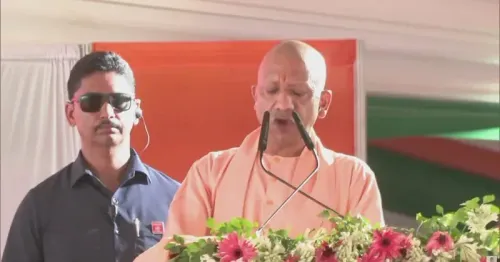
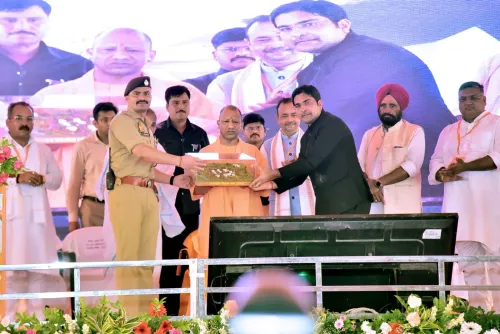
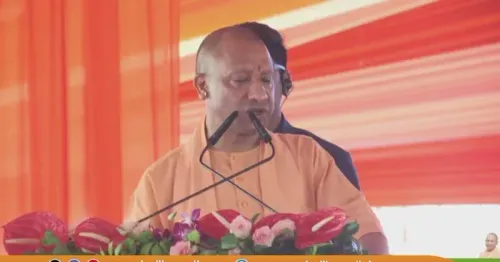
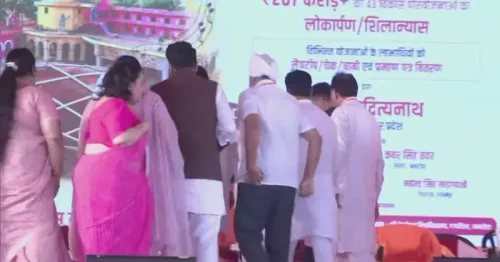
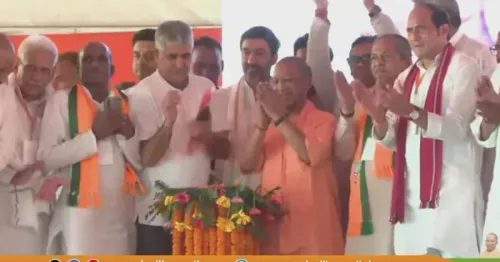
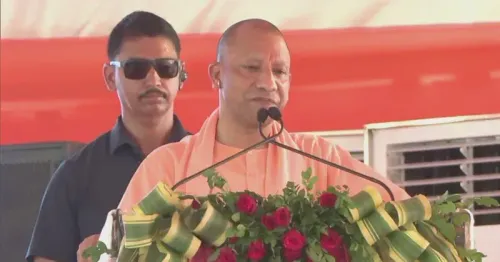
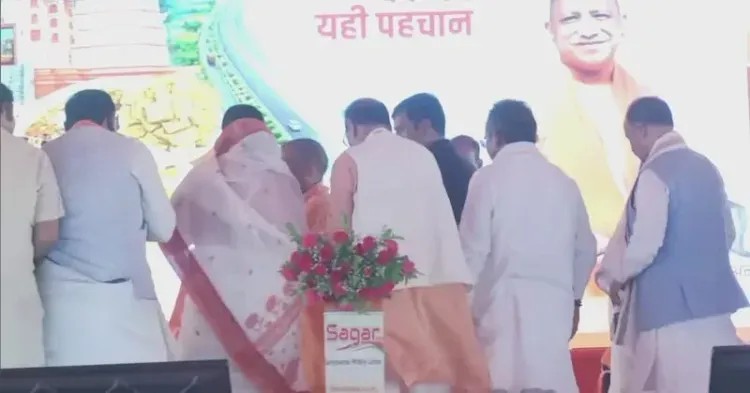
The Chief Minister's Office of Uttar Pradesh announced on Saturday, 18 July 2026 that Chief Minister Yogi Adityanath participated in a combined inauguration and foundation-stone laying ceremony for 66 development projects valued at ₹569 crore in Sambhal district of western Uttar Pradesh.
Context
The event, broadcast live, saw CM Yogi preside over the lokarpaṇ evam śilānyās (inauguration and foundation-laying) of projects spanning civic infrastructure, connectivity, and public amenities across the district. The Chief Minister's Office shared the proceedings in real time on its official platform, describing the Chief Minister as actively participating in the ceremony.
Sambhal, a district in western Uttar Pradesh, has been the site of multiple rounds of state-funded development activity in recent years, with successive tranches of road, drainage, and public-works projects sanctioned under the state's annual development calendar.
Policy Backdrop
Since March 2017, the Government of Uttar Pradesh under Chief Minister Yogi Adityanath has institutionalised a practice of bundling dozens of small-to-medium district-level projects into single-day events addressed by the Chief Minister himself. This format allows the state administration to announce consolidated expenditure figures across sectors — roads, drains, schools, irrigation — in a single public setting.
The approach enables the government to demonstrate visible, measurable progress at the district level and provides local elected representatives and officials a shared platform to highlight development commitments. The ₹569 crore outlay for Sambhal fits within this broader pattern of district-level investment events that the state has held across all 75 districts over the past several years.
Stakeholders and Impact
The primary beneficiaries of the 66 projects are residents of Sambhal district, who stand to gain from improved roads, civic amenities, and public infrastructure once works are completed. Local contractors, labourers, and supply-chain participants in the district are also direct economic stakeholders in the execution of these works.
District administration officials and elected representatives from Sambhal will be responsible for overseeing timely execution and ensuring that utilisation certificates are filed with the state government as works progress. Civil society groups and opposition parties in the state assembly are likely to track whether the sanctioned projects translate into completed assets on the ground.
What's Next
The release of project-wise utilisation certificates and physical progress reports will be the key metric by which the actual impact of this announcement is measured. Such reports are typically tabled during state assembly sessions or reviewed at district-level administrative meetings in the months following a foundation-laying event.
Sambhal's development trajectory will continue to be watched as the state government maintains its calendar of similar multi-project events across other districts. The scale of investment — ₹569 crore for a single district in a single event — signals the administration's intent to maintain a high pace of announced infrastructure spending ahead of future legislative cycles.
Point of View
Which converts district-level spending into high-visibility political communication. By personally presiding over a ₹569 crore announcement for a single district, the Chief Minister signals both administrative reach and electoral attentiveness to western Uttar Pradesh, a region of considerable political weight. The real test, as with similar events across the state since 2017, lies in the pace of physical completion rather than the scale of announcements. Observers and opposition alike will watch whether Sambhal's 66 projects move from foundation stones to functional assets within the promised timelines.
NationPress
17 Oct 2026
Frequently Asked Questions
What projects were inaugurated in Sambhal by CM Yogi on 18 July 2026?
Chief Minister Yogi Adityanath inaugurated and laid foundation stones for 66 development projects worth ₹569 crore in Sambhal district on 18 July 2026. The specific list of all 66 projects has not been individually detailed in the official announcement.
How much money has the UP government invested in Sambhal?
In this single event on 18 July 2026, the Uttar Pradesh government committed ₹569 crore across 66 projects in Sambhal district.
What is the significance of CM Yogi's visit to Sambhal?
The visit underlines the Uttar Pradesh government's focus on district-level infrastructure development in western UP. Sambhal has been a recurring site of state-funded civic and connectivity projects since 2017.
How does UP conduct district development events?
The Uttar Pradesh government has since 2017 adopted a practice of bundling dozens of small-to-medium projects into single-day events presided over by Chief Minister Yogi Adityanath, allowing large consolidated expenditure announcements across sectors in one ceremony.
When will the Sambhal development projects be completed?
No specific completion timeline was announced in the official post. Progress on the 66 sanctioned projects will be tracked through utilisation certificates and physical progress reports reviewed in state assembly sessions and district-level administrative meetings.