CM Yogi Orders Revival of Harihar Temple and 68 Tirthas
Synopsis
Uttar Pradesh CM Yogi Adityanath has announced the revival of the ancient Harihar Temple of Shri Hari Vishnu and 68 associated tirthas, said to have been demolished 500 years ago, crediting the BJP's 'double engine' government for initiating the restoration work.
Key Takeaways
CM Yogi Adityanath announced on 18 July 2026 that restoration of the Harihar Temple of Shri Hari Vishnu has begun.
The temple and 68 tirthas are stated to have been demolished and desecrated approximately 500 years ago .
The Chief Minister credited the 'double engine' BJP government — at both state and central levels — for initiating the revival.
The announcement follows a broader tirtha sthal vikas policy pursued by Uttar Pradesh since 2017 , modelled on the Kashi Vishwanath Corridor .
Formal project timelines, budgets, and the exact site location are yet to be officially detailed by the state government.
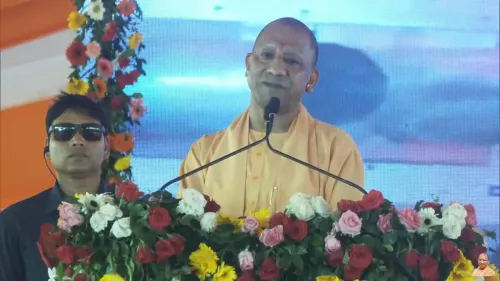
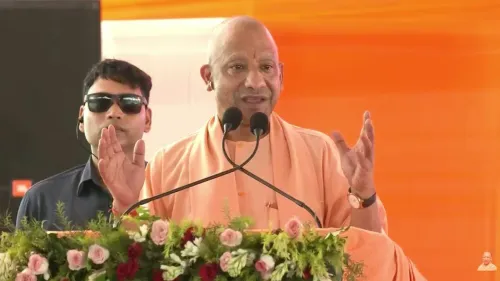
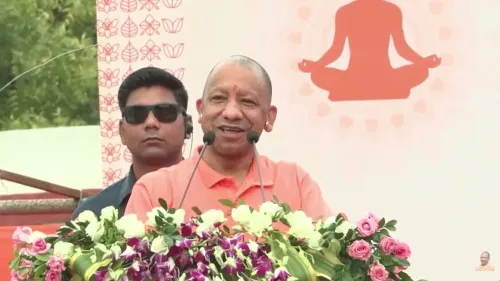
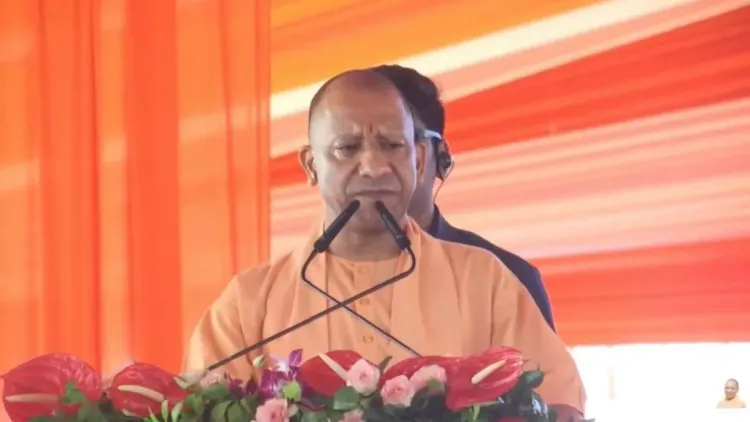
Uttar Pradesh Chief Minister Yogi Adityanath on Saturday, 18 July 2026, declared that the restoration of the sacred Harihar Temple of Shri Hari Vishnu — demolished roughly 500 years ago — and the revival of 68 associated tirthas that were desecrated has now been set in motion under the BJP government at both the state and central levels.
Context
In his post, CM Yogi stated in Hindi: '500 varsh pehle Shri Hari Vishnu ke pavitra Harihar Mandir ko toda gaya, yahan ke 68 tirthon ko bhi apavitra kiya gaya' — meaning, 'Five hundred years ago, the sacred Harihar Temple of Shri Hari Vishnu was demolished and its 68 tirthas were also desecrated.' He added that with the 'double engine' BJP government now in place, work for the revival of all these pilgrimage sites has begun.
The post was accompanied by a video, the contents of which are part of the Chief Minister's broader outreach on heritage restoration in Uttar Pradesh. The reference to a 'double engine' government signals coordinated action between the BJP-led state administration in Lucknow and the BJP-led central government in New Delhi.
Policy Backdrop
The announcement fits within a wider tirtha sthal vikas (pilgrimage site development) initiative that the Uttar Pradesh government has pursued since 2017, aimed at identifying and restoring historic religious and cultural sites across the state. The initiative gained significant visibility with the Kashi Vishwanath Corridor project in Varanasi, announced in 2018 and inaugurated in 2021, which redeveloped temple access and ghats as a model for pilgrimage infrastructure.
Similar restoration drives have been undertaken around Ayodhya and Mathura, with the state government consistently framing these efforts as rectifying historical wrongs inflicted on Hindu religious sites. The Harihar Temple revival follows that same template, linking a medieval demolition narrative to present-day governance action.
Stakeholders and Impact
Hindu pilgrims and the religious tourism sector in Uttar Pradesh stand to be the most direct beneficiaries if the restoration project proceeds. The state has seen a marked increase in pilgrimage-linked footfall and associated economic activity following the completion of the Kashi Vishwanath Corridor and the consecration of the Ram Mandir in Ayodhya in January 2024.
Restoration of 68 tirthas in a single cluster would represent one of the larger pilgrimage-site revival exercises undertaken in the state. Local communities dependent on religious tourism — priests, hoteliers, transport operators — are likely to watch for project timelines and budget allocations.
What's Next
Formal project details, including the specific location of the Harihar Temple, budget outlays, and inauguration timelines, are expected to be announced through the Uttar Pradesh tourism or culture departments. State budget allocations and any foundation-stone-laying ceremonies in the current or next financial year will be key milestones to track.
Given the pattern of similar announcements preceding on-ground work at Kashi, Mathura, and Ayodhya, the restoration of the Harihar Temple complex could become a significant cultural-tourism project for the region, with implications for both heritage conservation and the state's pilgrimage economy.
Point of View
Which frames current infrastructure spending as the correction of medieval wrongs. By anchoring the Harihar Temple revival to a 500-year-old demolition narrative, the announcement simultaneously serves a cultural-heritage rationale and a political one ahead of any future electoral cycle in Uttar Pradesh. The 'double engine' framing is deliberate: it positions both the state and central BJP governments as jointly accountable for Hindu heritage revival, reinforcing party unity messaging. If the project follows the Kashi Vishwanath model, a formal foundation-stone or inauguration event is likely to follow, converting the social media announcement into a high-visibility governance milestone.
NationPress
17 Oct 2026
Frequently Asked Questions
What is the Harihar Temple that CM Yogi mentioned?
The Harihar Temple is an ancient temple dedicated to Shri Hari Vishnu that CM Yogi Adityanath says was demolished around 500 years ago, along with 68 associated tirthas or pilgrimage sites, and is now being revived by the UP government.
What are the 68 tirthas CM Yogi referred to?
CM Yogi referred to 68 sacred pilgrimage sites associated with the Harihar Temple complex that he says were desecrated roughly 500 years ago; the state government has announced their revival as part of its broader tirtha sthal vikas initiative.
What is the 'double engine' government CM Yogi talks about?
'Double engine' government is the BJP's term for having the same party in power at both the state level — in Uttar Pradesh under CM Yogi — and at the Centre, implying coordinated policy and funding for projects like temple restoration.
How does this compare to the Kashi Vishwanath Corridor?
The Kashi Vishwanath Corridor in Varanasi, inaugurated in 2021, is the most prominent earlier example of the UP government restoring a major pilgrimage site; the Harihar Temple revival follows the same policy template of linking historical damage to present-day redevelopment.
When will the Harihar Temple restoration be completed?
No formal completion timeline has been announced yet; specific project dates, budget allocations, and inauguration schedules are expected to be released by the Uttar Pradesh tourism or culture departments in the coming months.