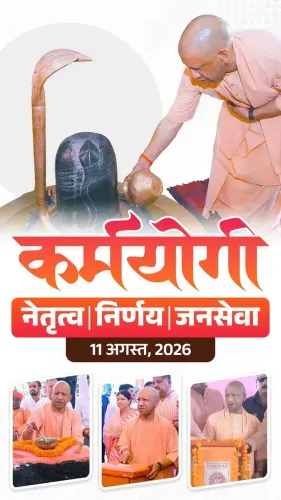
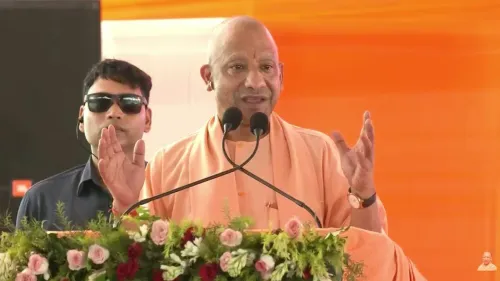
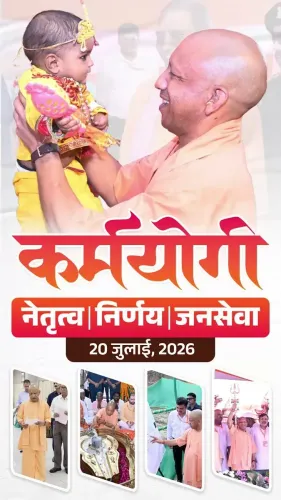
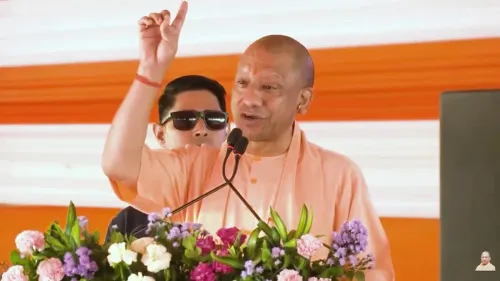
CM Yogi's UP Blends Faith and Development, Says CMO
Synopsis
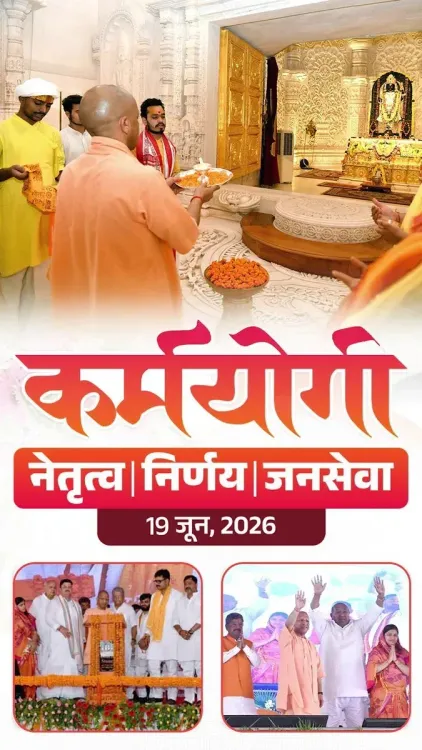
The Chief Minister's Office of Uttar Pradesh declared on 19 June 2026 that CM Yogi Adityanath is steering the state toward prosperity by merging cultural heritage with public welfare — reinforcing a development model built around major Hindu pilgrimage centres since 2017.
Key Takeaways
The CMO of Uttar Pradesh posted on 19 June 2026 that the state is building prosperity through the union of faith, heritage, and public welfare.
Chief Minister Yogi Adityanath has led this approach since 2017 , pairing temple precinct upgrades with roads, airports, and civic amenities.
The Kashi Vishwanath Dham Corridor , inaugurated in 2021 , was the first flagship project under this model in Varanasi .
The Ram Mandir in Ayodhya was consecrated in January 2024 , the centrepiece of large-scale urban redevelopment in that city.
The heritage-development model has been extended to Mathura , Prayagraj , and other religious circuits across Uttar Pradesh .
Future state budget allocations for new heritage circuits will be a key indicator of how far this policy is scaled.
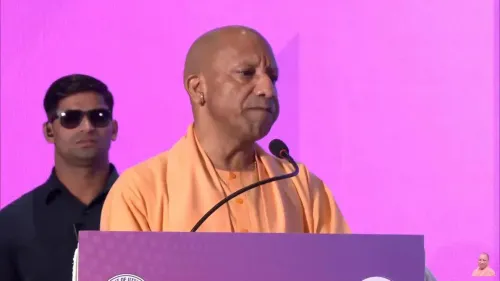
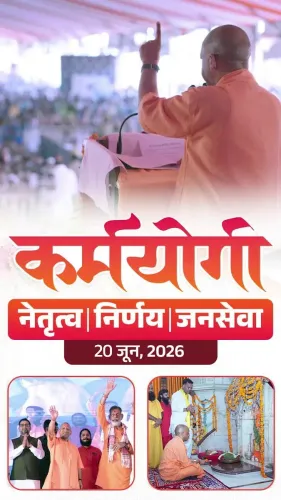
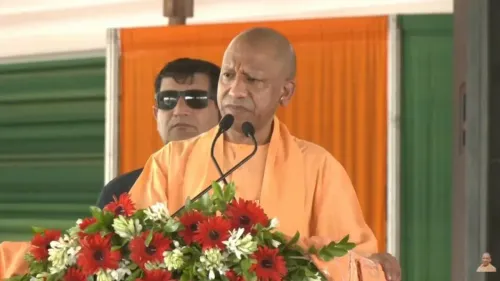
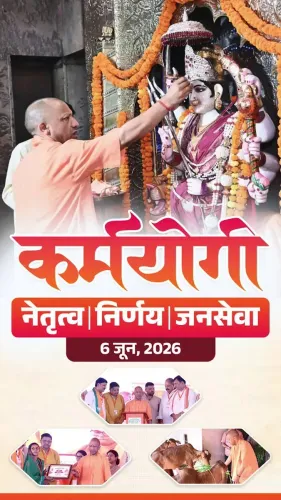
The Chief Minister's Office of Uttar Pradesh declared on Friday, 19 June 2026 that the state, under Chief Minister Yogi Adityanath, is writing a new chapter of prosperity by combining cultural pride with public welfare — a message shared with an accompanying video on the official CMO account on X.
The post, written in Hindi, stated: 'Jahan aastha hai, wahan vikas hai... Jahan virasat hai, wahan vaibhav hai...' ['Where there is faith, there is development... Where there is heritage, there is splendour...'], adding that Uttar Pradesh is crafting a new story of prosperity through the coordination of cultural glory and public welfare under Chief Minister Yogi Adityanath's leadership.
Context
Uttar Pradesh is India's most populous state and home to some of Hinduism's most revered pilgrimage centres, including Ayodhya, Varanasi, Mathura, and Prayagraj. Since 2017, the state government has consistently positioned religious tourism and heritage redevelopment as twin engines of economic growth. The CMO's post reflects a recurring official narrative that frames faith not merely as a cultural value but as a driver of measurable development.
Policy Backdrop
The philosophical line articulated in the post has a concrete policy lineage. The Kashi Vishwanath Dham Corridor in Varanasi, inaugurated in 2021, was the first flagship heritage-infrastructure project under the current government — pairing temple precinct expansion with improved civic facilities and pilgrim access. This was followed by large-scale urban redevelopment in Ayodhya, including the Ram Path and allied infrastructure, which culminated in the consecration of the Ram Mandir in January 2024.
The model — upgrading the spiritual environment of a pilgrimage town while simultaneously building roads, airports, and hotels — has since been replicated across multiple religious circuits in the state. The stated objective is to convert high religious footfall into sustained local economic activity without displacing cultural identity.
Stakeholders and Impact
The primary beneficiaries of this approach have been pilgrims, the local tourism and hospitality sector, and residents of heritage towns who gain from improved civic infrastructure. Small traders, priests, and artisans in temple towns have seen increased footfall as redevelopment projects have made sites more accessible and visitor-friendly.
Critics of the model have raised concerns about displacement of communities living within redevelopment zones and the prioritisation of religious sites over broader social infrastructure — though the CMO's messaging consistently emphasises the welfare dimension as complementary to, not in competition with, cultural investment.
What's Next
Observers will watch for the next state budget cycle to see whether fresh allocations are announced for additional heritage circuits or new temple-town master plans. The CMO's framing — linking faith directly to development outcomes — suggests the government intends to keep this narrative central to its public communication ahead of upcoming political cycles. The broader question is whether the model can be demonstrated to deliver measurable welfare gains across a wider geography of Uttar Pradesh beyond its most prominent pilgrimage centres.
Point of View
The messaging frames religious investment not as a sectarian priority but as an economic strategy, giving it broader appeal. This rhetorical move has been central to the BJP's governance narrative in Uttar Pradesh since 2017 and is likely to intensify as the state approaches the next electoral cycle. The real test of the model lies in whether welfare metrics across the state's non-pilgrimage districts show comparable improvement.
NationPress
18 Sept 2026
Frequently Asked Questions
What is CM Yogi Adityanath's development model for Uttar Pradesh?
CM Yogi Adityanath's model links cultural heritage and religious tourism with infrastructure development — upgrading pilgrimage centres like Ayodhya, Varanasi, Mathura, and Prayagraj with roads, airports, and civic facilities to generate local economic activity.
What did the UP Chief Minister's Office post on 19 June 2026?
The CMO of Uttar Pradesh posted that the state, under CM Yogi Adityanath, is writing a new story of prosperity by combining cultural pride with public welfare, sharing the message alongside a video on X.
What is the Kashi Vishwanath Dham Corridor?
The Kashi Vishwanath Dham Corridor is a temple precinct redevelopment project in Varanasi inaugurated in 2021 under the Yogi Adityanath government to improve pilgrim access and facilities around the Kashi Vishwanath temple.
How has Ayodhya been developed under the Yogi government?
Ayodhya underwent large-scale urban redevelopment including the Ram Path road project and allied infrastructure, culminating in the consecration of the Ram Mandir in January 2024 after the 2019 Supreme Court verdict.
Who benefits from Uttar Pradesh's heritage-linked development policy?
Pilgrims, the local tourism and hospitality sector, small traders, priests, artisans, and residents of heritage towns benefit from improved infrastructure and higher visitor footfall driven by the UP government's pilgrimage centre upgrades.