CM Yogi: UP Is Model for Heritage-Led Economic Growth
Synopsis
Chief Minister Yogi Adityanath declared on 30 June 2026 that Uttar Pradesh has become India's model for heritage-led economic growth, arguing that honouring cultural legacy and driving prosperity are mutually reinforcing goals.
Key Takeaways
CM Yogi Adityanath posted on 30 June 2026 that Uttar Pradesh is a national model for heritage-driven economic development.
The post, in Hindi, translates to: 'How the economy can be advanced by honouring heritage — Uttar Pradesh has become the model for that.' The state has invested heavily in heritage corridors in Varanasi , Ayodhya , and Mathura , linking cultural revitalisation to tourism and employment growth.
The Kashi Vishwanath Corridor and Ram Mandir -linked Ayodhya development are flagship examples cited under this policy approach.
Uttar Pradesh , home to over 24 crore people, stands to see significant aggregate impact from tourism-linked employment gains.
The heritage-economy narrative is expected to remain central to the administration's messaging ahead of 2027 state assembly elections .
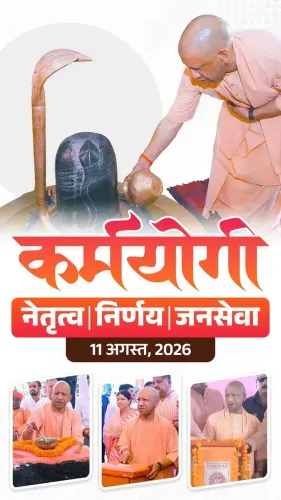
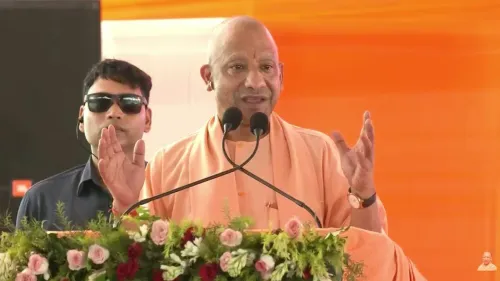
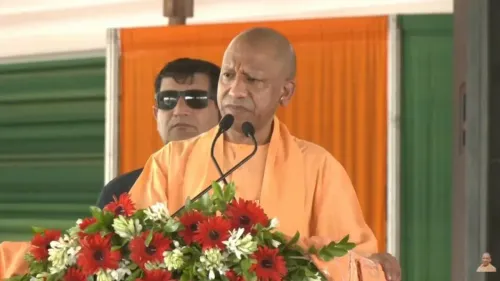
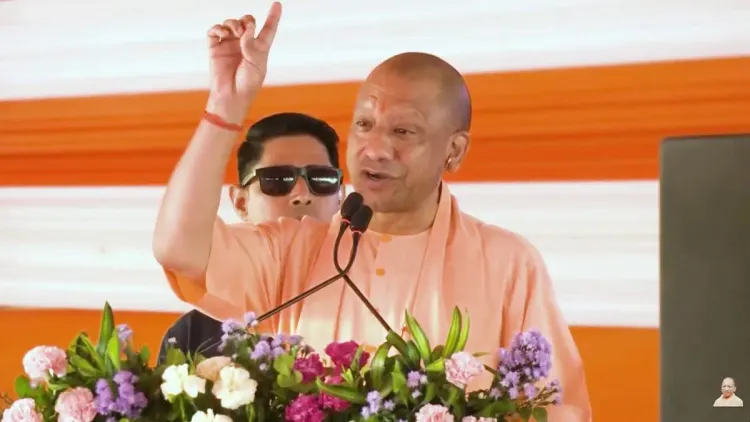
Uttar Pradesh Chief Minister Yogi Adityanath on Tuesday, 30 June 2026, declared that Uttar Pradesh has emerged as a national model demonstrating how respecting cultural heritage can drive economic progress, sharing the message on his official X account alongside a video.
In his post, CM Yogi wrote: 'विरासत को सम्मान देकर कैसे अर्थव्यवस्था को आगे बढ़ाया जा सकता है, उत्तर प्रदेश उसका मॉडल बना है' — translating to: 'How the economy can be advanced by honouring heritage — Uttar Pradesh has become the model for that.'
Context
The statement comes as Uttar Pradesh has pursued an aggressive strategy of positioning its religious and cultural sites as engines of tourism and local economic activity. Cities such as Ayodhya, Varanasi, and Mathura have seen significant infrastructure investment aimed at upgrading pilgrim facilities, connectivity, and hospitality ecosystems. The Yogi Adityanath government has consistently argued that spiritual tourism is not merely a cultural exercise but a direct driver of employment and revenue for the state.
This framing — heritage as economic infrastructure — has become a defining political and policy narrative for the BJP-led administration in Lucknow. The accompanying video, though its specific contents were not separately disclosed, is consistent with the government's pattern of releasing documentary-style content on developmental achievements.
Policy Backdrop
Uttar Pradesh has undergone a notable shift in its economic identity over the past several years. The state, long associated with law-and-order challenges and sluggish industrial growth, has actively courted investors through successive Global Investors Summits, while simultaneously channelling funds into the restoration and beautification of heritage corridors. The Kashi Vishwanath Corridor in Varanasi, inaugurated in December 2021, is frequently cited by the administration as a flagship example of how cultural revitalisation can generate economic multiplier effects — boosting footfall, retail, hospitality, and artisan livelihoods in surrounding areas.
The Ayodhya development project, accelerated after the consecration of the Ram Mandir in January 2024, has similarly been presented as a heritage-led growth corridor, with new airport facilities, hotel investments, and road infrastructure following in the wake of religious tourism demand.
Stakeholders and Impact
The primary beneficiaries of this model, as articulated by the state government, include small traders, priests, artisans, hoteliers, and transport operators in and around heritage towns. Uttar Pradesh is India's most populous state with over 24 crore residents, and even marginal gains in tourism-linked employment carry significant aggregate impact. Critics of the approach, however, have questioned whether heritage-centric growth adequately addresses the state's broader industrial employment needs and whether the benefits are distributed equitably across communities and regions.
For the BJP, the narrative also carries electoral resonance, reinforcing the party's identity as a custodian of Hindu cultural heritage while simultaneously claiming developmental credentials.
What's Next
With Uttar Pradesh assembly elections on the horizon in 2027, the heritage-economy thesis is likely to remain central to the Yogi Adityanath administration's public messaging. The state is expected to continue showcasing infrastructure projects in pilgrimage towns as evidence that cultural investment and economic growth are complementary rather than competing priorities. Whether other states adopt the UP model as a replicable template will depend significantly on the measurable outcomes — in jobs, GDP contribution, and quality of life — that independent assessments produce in the coming years.
Point of View
The administration attempts to neutralise the traditional critique that identity-focused politics comes at the cost of material development. The approach also serves a forward-looking electoral purpose: with assembly polls due in 2027, the government is building a narrative that is simultaneously aspirational and rooted in cultural pride. The durability of this model will ultimately be tested by independent data on employment, income distribution, and industrial growth beyond the pilgrimage economy.
NationPress
29 Sept 2026
Frequently Asked Questions
What did CM Yogi Adityanath say about Uttar Pradesh's economy?
CM Yogi Adityanath said that Uttar Pradesh has become a national model for showing how honouring cultural heritage can advance the economy, posting this message on X on 30 June 2026.
How is Uttar Pradesh using heritage to drive economic growth?
The Uttar Pradesh government has invested in religious and cultural corridors in cities like Varanasi, Ayodhya, and Mathura, using increased pilgrim footfall to boost tourism, hospitality, retail, and artisan livelihoods.
What is the Kashi Vishwanath Corridor and why is it significant?
The Kashi Vishwanath Corridor in Varanasi, inaugurated in December 2021, is a flagship heritage development project that the Yogi government cites as proof that cultural revitalisation generates economic multiplier effects for surrounding communities.
How does the Ram Mandir in Ayodhya relate to UP's economic model?
Following the consecration of the Ram Mandir in January 2024, Ayodhya has seen major infrastructure investment including a new airport, hotels, and roads, all driven by rising religious tourism demand and presented as heritage-led growth.
When are the next Uttar Pradesh assembly elections?
The next Uttar Pradesh assembly elections are expected in 2027, and the heritage-economy narrative is widely seen as a key plank of the Yogi Adityanath administration's pre-election messaging.