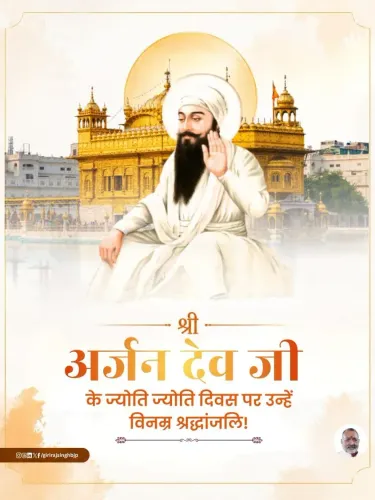
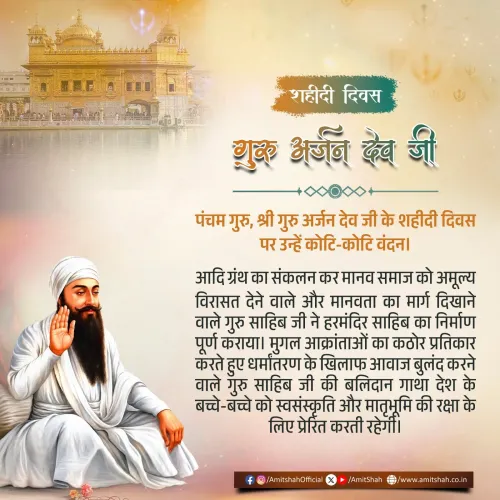
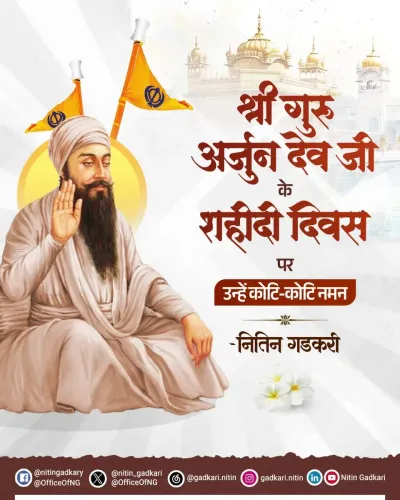
CM Yogi Pays Tribute to Guru Arjan Dev Ji on Shaheedi Divas
Synopsis
Uttar Pradesh Chief Minister Yogi Adityanath on June 18, 2026, paid tribute to Guru Arjan Dev Ji, the fifth Sikh Guru, on his Jyoti Jyot Divas, honouring his supreme sacrifice for dharma, humanity, and truth as unparalleled in history.
Key Takeaways
CM Yogi Adityanath posted a tribute on June 18, 2026 , marking the Jyoti Jyot Divas of Guru Arjan Dev Ji .
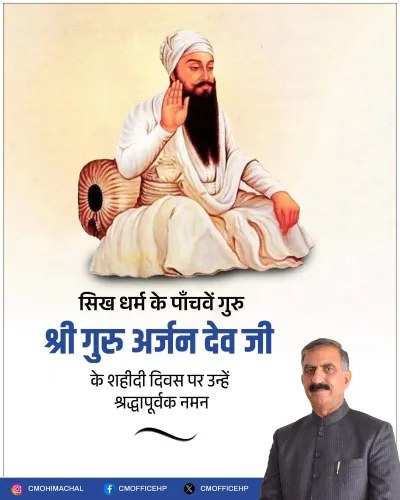
Guru Arjan Dev Ji ( 1563–1606 ) was the fifth Sikh Guru, compiler of the Adi Granth , and founder of the Harmandir Sahib in Amritsar.
He was martyred in 1606 by Mughal Emperor Jahangir after refusing to convert or alter the Sikh scripture.
CM Yogi described his sacrifice as 'unparalleled in history' and his life as an 'eternal path of service, harmony, and spiritual consciousness.' The tribute is part of a consistent pattern of BJP -led government outreach to the Sikh community on major religious and martyrdom anniversaries.
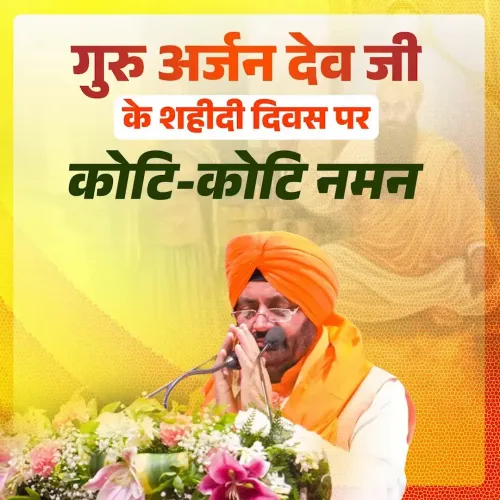
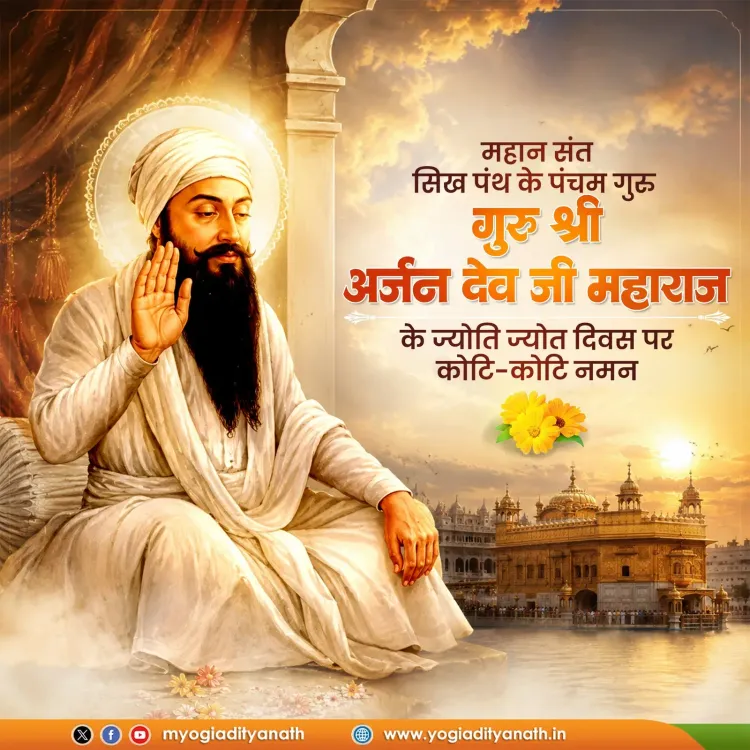
Uttar Pradesh Chief Minister Yogi Adityanath on Thursday, June 18, 2026, paid homage to Guru Arjan Dev Ji, the fifth Sikh Guru, on the occasion of his Jyoti Jyot Divas (martyrdom anniversary), calling his sacrifice for faith, humanity, and truth unparalleled in history.
Posting in Hindi on X, CM Yogi wrote: 'Heartfelt salutations on the Jyoti Jyot Divas of the fifth Guru of the Sikh faith and great saint, Guru Shri Arjan Dev Ji Maharaj. His supreme sacrifice for the protection of dharma, humanity, and truth is unparalleled in history. His life will continue to show us the eternal path of service to humanity, harmony, and spiritual consciousness.'
Context
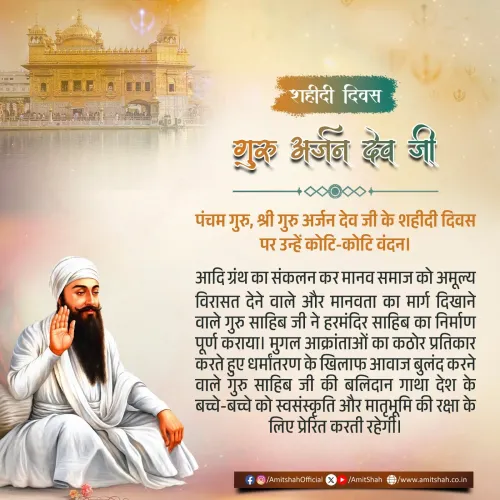
Guru Arjan Dev Ji (1563–1606) was the fifth of the ten Sikh Gurus and one of the most consequential figures in Sikh history. He compiled the Adi Granth — the foundational scripture of Sikhism — and oversaw the construction of the Harmandir Sahib (the Golden Temple) in Amritsar, which remains the holiest shrine in the Sikh faith.
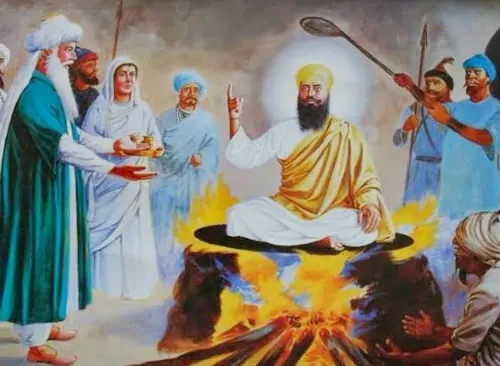
He was martyred in 1606 by Mughal authorities under Emperor Jahangir after refusing to convert to Islam or alter the Adi Granth. His death is regarded as the first great martyrdom (shaheedi) in Sikh tradition, and his Jyoti Jyot Divas is observed annually by the Sikh community worldwide.
Policy Backdrop
CM Yogi Adityanath has maintained a consistent practice of issuing public tributes on significant Sikh religious and martyrdom anniversaries. This pattern of outreach reflects a broader effort by BJP-led state governments to acknowledge Sikh religious occasions and highlight shared values of sacrifice, communal harmony, and spiritual heritage.
Such tributes carry particular resonance given Uttar Pradesh's historical and cultural ties to Sikh heritage, including sites associated with the Sikh Gurus across the state. The messaging consistently foregrounds themes of interfaith respect and the universal relevance of Sikh teachings.
Stakeholders and Impact
The tribute is directed at the Sikh community both within Uttar Pradesh and across India. Sikh organisations and gurdwaras across the country observe Jyoti Jyot Divas with prayers, kirtan, and community service, and official acknowledgements from senior political figures are seen as gestures of solidarity and respect.
For the ruling BJP, such messaging reinforces its positioning as a party attentive to minority religious communities' significant occasions, particularly those rooted in themes of sacrifice and resistance that resonate broadly across Indian society.
What's Next
The Uttar Pradesh government is expected to continue this pattern of engagement with Sikh observances, with the upcoming martyrdom anniversary of Guru Tegh Bahadur Ji — the ninth Sikh Guru, also revered for his sacrifice against religious persecution — likely to draw a similar official tribute. Any state-level interfaith commemorations or government-sponsored events around Sikh anniversaries in Uttar Pradesh will be worth watching as indicators of the administration's broader outreach strategy.
Point of View
The message draws a cultural thread that resonates with the ruling party's broader civilisational narrative. The consistency of such outreach — across Sikh, Buddhist, and Jain occasions — reflects a calculated effort to consolidate minority community goodwill without departing from a Hindu-majoritarian political identity. Watch for whether these tributes translate into concrete policy gestures, such as heritage site development or community welfare announcements, in the months ahead.
NationPress
19 Sept 2026
Frequently Asked Questions
Who was Guru Arjan Dev Ji?
Guru Arjan Dev Ji was the fifth Sikh Guru, born in 1563, who compiled the Adi Granth and built the Harmandir Sahib in Amritsar. He was martyred in 1606 by Mughal authorities for refusing to convert to Islam.
What is Jyoti Jyot Divas?
Jyoti Jyot Divas is the martyrdom or death anniversary of a Sikh Guru, observed with prayers, kirtan, and community service. For Guru Arjan Dev Ji, it marks the day he attained martyrdom in 1606.
Why did Yogi Adityanath pay tribute to Guru Arjan Dev Ji?
CM Yogi Adityanath posted a tribute on June 18, 2026, to mark Guru Arjan Dev Ji's Jyoti Jyot Divas, honouring his sacrifice for dharma, humanity, and truth. Such tributes are part of a regular pattern of outreach by BJP-led state governments toward Sikh religious occasions.
What did Yogi Adityanath say about Guru Arjan Dev Ji?
CM Yogi called Guru Arjan Dev Ji's sacrifice for the protection of dharma, humanity, and truth 'unparalleled in history,' and said his life would continue to show humanity the eternal path of service, harmony, and spiritual consciousness.
What is the significance of Guru Arjan Dev Ji's martyrdom?
Guru Arjan Dev Ji's martyrdom in 1606 is considered the first great shaheedi in Sikh tradition. His refusal to convert or alter the Adi Granth under Mughal pressure established a legacy of resistance and faith that is central to Sikh identity.