Amit Shah Pays Tribute to Guru Arjan Dev Ji on Martyrdom Day
Synopsis
Union Home Minister Amit Shah on 18 June 2026 paid tribute to Guru Arjan Dev Ji on his Shaheedi Diwas, honouring the fifth Sikh Guru's compilation of the Adi Granth, completion of Harmandir Sahib, and martyrdom while resisting Mughal-era forced conversion.
Key Takeaways
Union Home Minister Amit Shah paid tribute to Guru Arjan Dev Ji on 18 June 2026 , the Shaheedi Diwas (martyrdom anniversary) of the fifth Sikh Guru.
Guru Arjan Dev Ji ( 1563–1606 ) compiled the Adi Granth , the primary Sikh scripture that later became the Guru Granth Sahib.
The Guru completed the construction of Harmandir Sahib (the Golden Temple) in Amritsar .
He was executed in 1606 under Mughal Emperor Jahangir after refusing to convert and is revered as the first Sikh martyr.
Shah's message, posted in both Hindi and Punjabi , called the Guru's sacrifice an inspiration for every Indian to protect their culture and motherland.
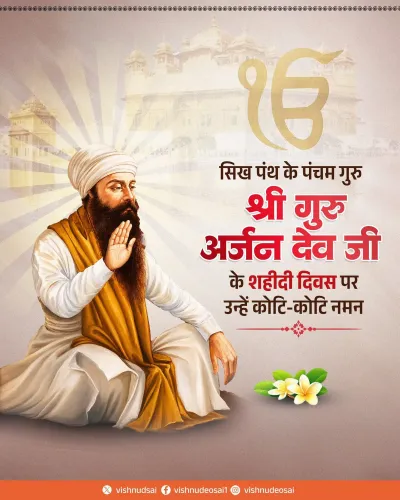
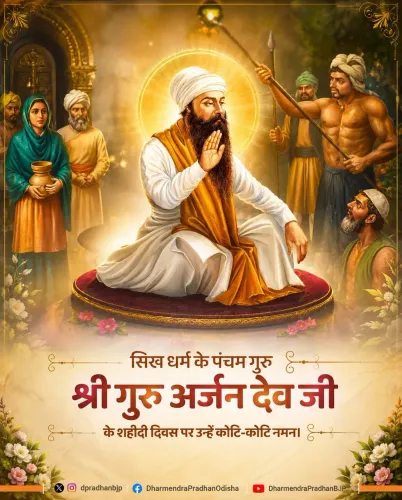
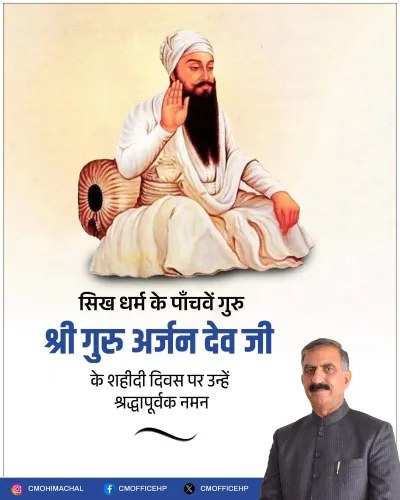
Union Home Minister Amit Shah on Thursday, 18 June 2026 paid tribute to Guru Arjan Dev Ji, the fifth Sikh Guru, on the occasion of his Shaheedi Diwas (martyrdom anniversary), honouring the Guru's legacy of spiritual leadership, scripture compilation, and resistance against forced conversion.
Context
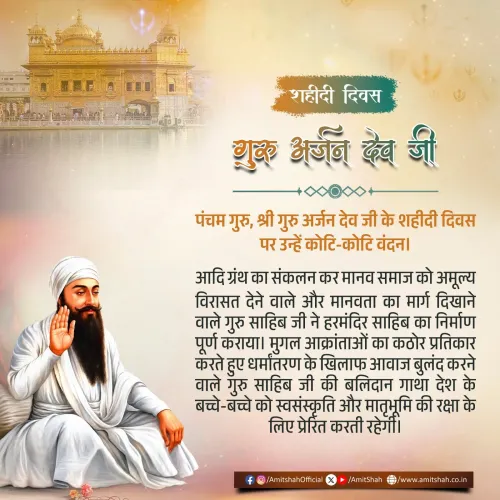
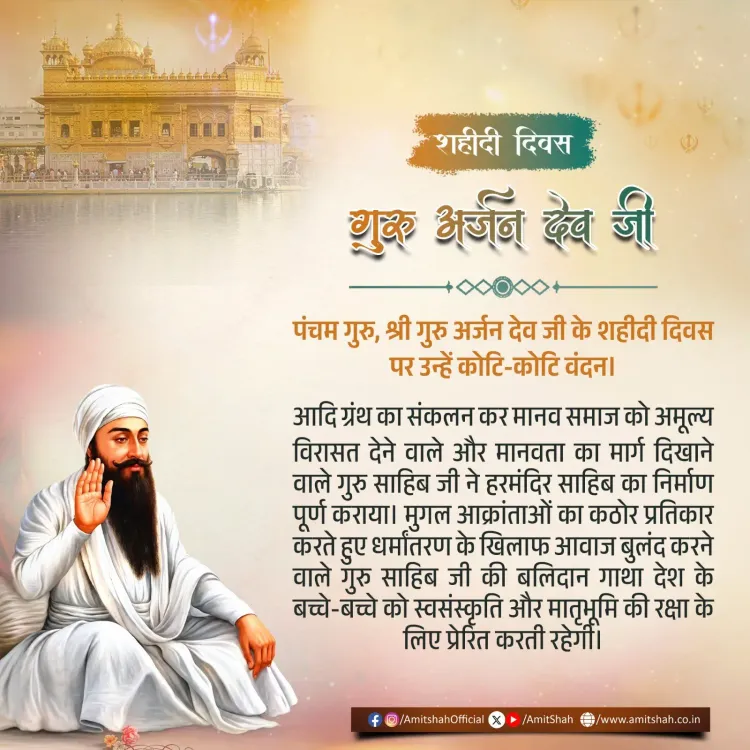
Posting in both Hindi and Punjabi on X, Shah wrote: 'ਪੰਜਵੇਂ ਗੁਰੂ, ਸ੍ਰੀ ਗੁਰੂ ਅਰਜਨ ਦੇਵ ਜੀ ਦੇ ਸ਼ਹੀਦੀ ਦਿਵਸ 'ਤੇ ਉਨ੍ਹਾਂ ਨੂੰ ਕੋਟਿ-ਕੋਟਿ ਪ੍ਰਣਾਮ' ['Crores of salutations to the Fifth Guru, Sri Guru Arjan Dev Ji, on his Shaheedi Diwas']. He described the Guru as one who compiled the Adi Granth, completed the construction of Harmandir Sahib, and raised his voice against religious conversion while resisting Mughal aggressors.
Shah added that the Guru's saga of sacrifice 'will continue to inspire every child of this country to protect their culture and motherland.'
Policy Backdrop
Guru Arjan Dev Ji (1563–1606) was the fifth of the ten Sikh Gurus and is widely regarded as the first Sikh martyr. He compiled the Adi Granth — the primary Sikh scripture that later became the Guru Granth Sahib — and oversaw the completion of Harmandir Sahib in Amritsar, the holiest shrine in Sikhism, also known as the Golden Temple.
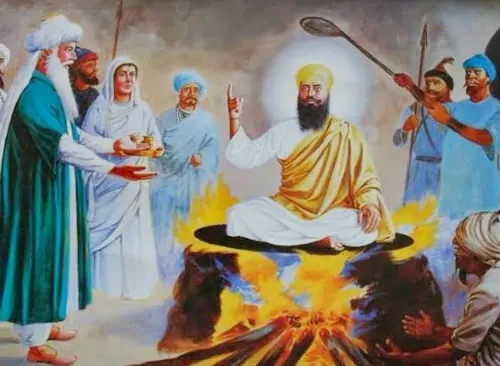
He was executed in 1606 under the orders of Mughal Emperor Jahangir, after refusing to convert to Islam and alter the Adi Granth. His martyrdom is commemorated annually across India and in Sikh communities worldwide as Shaheedi Diwas.
Stakeholders and Impact
The tribute carries significance for the Sikh community across India and the global diaspora, particularly in states such as Punjab, Haryana, Delhi, and Rajasthan with large Sikh populations. Indian political leaders across party lines have maintained a tradition of issuing formal statements on gurpurabs and Sikh martyrdom anniversaries, recognising their cultural and historical weight.
Shah's message, framed around themes of resistance to forced conversion and defence of 'swasanskriti' (one's own culture), resonates with a broader political narrative around the protection of indigenous religious and cultural identity that has been central to BJP's public communication.
What's Next
The Sikh religious calendar includes several other significant gurpurabs in the months ahead, and public observances at Harmandir Sahib and gurdwaras nationwide are expected to mark the day with ardas (prayers) and langar (community meals). Parliamentary and state-level references to Sikh heritage sites and the legacy of the Gurus are also anticipated during the upcoming monsoon session of Parliament.
Point of View
A constituency that has remained electorally significant for the BJP. The framing of Guru Arjan Dev Ji's martyrdom specifically around resistance to forced conversion and defence of 'swasanskriti' aligns the tribute with a recurring ideological motif in BJP's political communication. Such statements also reflect a long-standing institutional practice of Indian governments publicly honouring medieval figures associated with religious resistance, lending them contemporary political resonance. As gurpurabs continue through 2026, similar messaging from senior leaders is likely to sustain this pattern of faith-community engagement.
NationPress
16 Sept 2026
Frequently Asked Questions
Who was Guru Arjan Dev Ji?
Guru Arjan Dev Ji was the fifth of the ten Sikh Gurus, born in 1563 and martyred in 1606 . He compiled the Adi Granth , the primary Sikh scripture, and completed the construction of Harmandir Sahib (the Golden Temple) in Amritsar. He is revered as the first Sikh martyr.
Why is Guru Arjan Dev Ji's Shaheedi Diwas observed?
Shaheedi Diwas marks the martyrdom of Guru Arjan Dev Ji , who was executed in 1606 under Mughal Emperor Jahangir after refusing to convert to Islam or alter the Adi Granth. The day is observed with prayers, ardas, and langar at gurdwaras across India and worldwide.
What is the Adi Granth?
The Adi Granth is the primary scripture of Sikhism, compiled by Guru Arjan Dev Ji in the early 17th century. It contains hymns of the Sikh Gurus and other saints. It was later expanded and installed as the eternal Guru, known as the Guru Granth Sahib .
What did Amit Shah say about Guru Arjan Dev Ji?
Union Home Minister Amit Shah paid tribute in both Hindi and Punjabi, honouring the Guru for compiling the Adi Granth, completing Harmandir Sahib, and resisting Mughal-era forced conversion. He said the Guru's sacrifice will inspire every Indian to protect their culture and motherland.
What is Harmandir Sahib?
Harmandir Sahib , also known as the Golden Temple, is the holiest shrine in Sikhism, located in Amritsar, Punjab . Its construction was completed under Guru Arjan Dev Ji in the late 16th century. It remains one of the most visited religious sites in the world.