CM Dhami Halts Tree Felling on Dehradun-Rishikesh Highway
Synopsis
Uttarakhand Chief Minister Pushkar Singh Dhami has suspended tree felling under the NHAI-led Dehradun–Rishikesh Four/Six-Lane Highway Project, directing officials to hold fresh consultations with citizens, experts, and elected representatives before work resumes. The project includes a 3.5-km elephant underpass and wildlife culverts.
Key Takeaways
CM Pushkar Singh Dhami has ordered the suspension of tree felling under the Dehradun–Rishikesh Four/Six-Lane Highway Project until stakeholder consensus is achieved.
The project is an NHAI initiative that had received all statutory and environmental clearances and was proceeding under Uttarakhand High Court directions.
The project includes an approximately 3.5-kilometre elephant underpass and special culverts for smaller wildlife to reduce human-animal conflict and road fatalities.
The Principal Secretary and concerned officials have been directed to hold fresh, detailed dialogue with local citizens, elected representatives, and domain experts.
Any further action on the project will be taken in full compliance with Uttarakhand High Court directions.
Dhami stated that Uttarakhand's nature, public sentiment, and state development are equally important to his government.
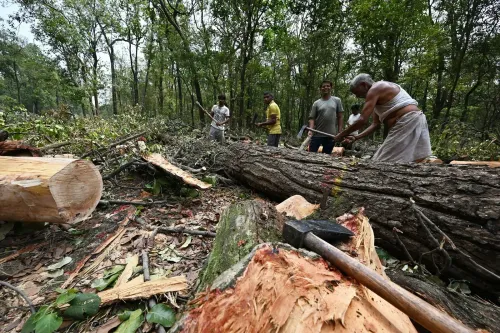
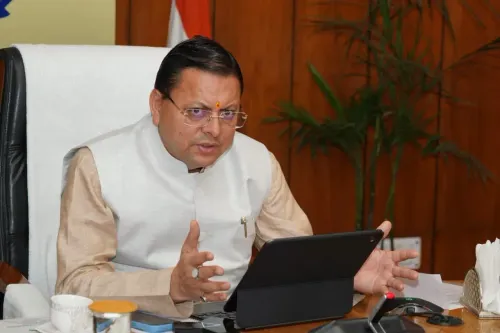
Uttarakhand Chief Minister Pushkar Singh Dhami on Saturday, 18 July 2026, announced a suspension of tree felling under the Dehradun–Rishikesh Four/Six-Lane Highway Project, ordering fresh consultations with all stakeholders until a consensus is reached on the environmentally sensitive corridor.
Context
In a detailed post on X, CM Dhami acknowledged that concerns and suggestions had been raised over recent days by citizens, environmentalists, and local residents regarding the highway project. Translating his statement, he wrote: 'Vikas hamare liye aavashyak hai, lekin janbhavnaon, paryavaran aur sthaniya hiton ki andekhi kar koi nirnay nahin liya jaega' ('Development is necessary for us, but no decision will be taken by ignoring public sentiment, the environment, and local interests'). He directed the Principal Secretary and concerned officials to initiate fresh, detailed dialogue with all stakeholders, local citizens, elected representatives, and experts.
The Chief Minister also confirmed that tree felling under the project will remain suspended until 'a satisfactory atmosphere of consensus and trust is built with all parties.' He added that any further action will be taken with full respect for the directions and decisions of the Uttarakhand High Court.
Policy Backdrop
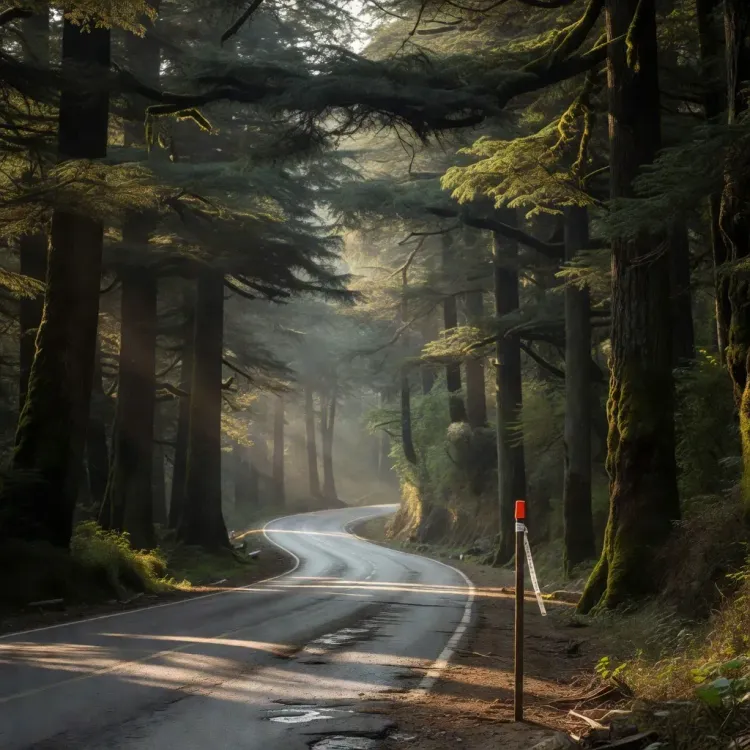
The Dehradun–Rishikesh Four/Six-Lane Project is an NHAI infrastructure initiative that had been proceeding in compliance with all statutory and environmental clearances, as well as directions from the Uttarakhand High Court. The project includes provisions for an approximately 3.5-kilometre-long elephant underpass and special culverts for the movement of smaller wildlife — measures designed to reduce human-wildlife conflict and road accident fatalities involving animals, which have been a recurring problem on this stretch.
This project sits within a broader policy lineage. Since the Char Dham Pariyojana was announced in 2016, Uttarakhand has been a focal point for the tension between Himalayan highway expansion and ecological conservation. NHAI guidelines dating to at least 2018 have mandated wildlife underpasses in elephant corridors under the Forest Conservation Act, 1980 and the Wildlife Protection Act, 1972. Court-ordered consultations and temporary halts on tree felling have become standard mechanisms in such disputes across Himalayan states.
Stakeholders and Impact
The project directly affects Dehradun, the state capital, and Rishikesh, a major pilgrimage and tourism hub. Environmental groups and wildlife conservationists have been vocal about the ecological sensitivity of the corridor, which intersects active wildlife movement zones. Local residents and elected representatives are also key parties whose concerns CM Dhami cited as prompting his intervention.
The suspension of tree felling offers immediate relief to conservation advocates, while the structured stakeholder dialogue process signals that the project is not being abandoned — only paused pending wider agreement. NHAI, tagged directly in the Chief Minister's post, will be a central participant in the renewed consultation process.
What's Next
CM Dhami stated clearly that his government will 'move forward only on the basis of dialogue, consensus, and broad public interest.' The outcomes of the fresh stakeholder consultations ordered by the Chief Minister, and any subsequent Uttarakhand High Court hearings on project clearances or modifications, will determine the project's revised timeline and scope.
The episode underscores a wider pattern in Himalayan infrastructure governance: ecological and community concerns, when mobilised effectively, can trigger executive-level course corrections even on projects with full legal clearances. Whether the renewed consultation process leads to design modifications, route changes, or a resumption of the original plan will be closely watched by conservationists and infrastructure planners alike.
Point of View
Especially in an ecologically conscious state like Uttarakhand. By suspending tree felling rather than cancelling the project, he preserves room to proceed while absorbing the political cost of the controversy. The intervention fits a broader pattern across Himalayan states where chief ministers have used executive pauses to defuse litigation risk and civil society pressure without formally conceding ground to opponents. The real test will come in the stakeholder consultations: whether they produce genuine design modifications or serve as a cooling-off period before resumption on the original terms.
NationPress
18 Jul 2026
Frequently Asked Questions
Why has CM Dhami suspended tree felling on the Dehradun–Rishikesh highway project?
CM Dhami suspended tree felling after citizens, environmentalists, and local residents raised concerns about the project's environmental impact. He stated that no decision will be taken by ignoring public sentiment or local interests, and ordered fresh consultations with all stakeholders before work resumes.
What is the Dehradun–Rishikesh Four/Six-Lane Highway Project?
It is an NHAI infrastructure project to build a four or six-lane highway connecting Dehradun, the Uttarakhand state capital, with Rishikesh, a major pilgrimage and tourism centre. The project had received all statutory and environmental clearances and was being executed under Uttarakhand High Court directions.
What wildlife protection measures are included in the Dehradun–Rishikesh highway project?
The project includes an approximately 3.5-kilometre-long elephant underpass and special culverts for smaller wildlife, designed to reduce human-wildlife conflict and prevent road accident deaths of animals on this corridor.
What happens next with the Dehradun–Rishikesh highway project?
The Principal Secretary and concerned officials have been directed to hold fresh, detailed dialogue with local citizens, elected representatives, and experts. Tree felling will remain suspended until a satisfactory consensus is reached, and all further action will comply with Uttarakhand High Court directions.
Has the Uttarakhand High Court been involved in this highway project?
Yes. CM Dhami stated that the project had been proceeding in compliance with Uttarakhand High Court directions, and that any further action will be taken with full respect for the court's directions and decisions.