CM Dhami Orders Quality, Transparent Construction to Curb Flood Damage

Synopsis
Uttarakhand CM Pushkar Singh Dhami has directed officials during a site inspection to ensure all construction works meet quality, transparency, and timeline standards to protect residents and prevent future flood damage in the Himalayan state.
Key Takeaways
CM Pushkar Singh Dhami issued directives to officials during an on-ground inspection on 5 July 2026 .
Officials were instructed to complete all construction works with quality, transparency, and timeliness .
The explicit goal is ensuring resident safety and preventing future flood damage in Uttarakhand .
The directive follows a long pattern of quality-control instructions rooted in lessons from the 2013 Uttarakhand floods .
Ongoing projects in ecologically sensitive Himalayan zones — including road and embankment works — are the primary focus.
Compliance audits and completion timelines ahead of the next monsoon season will be the key metric to watch.
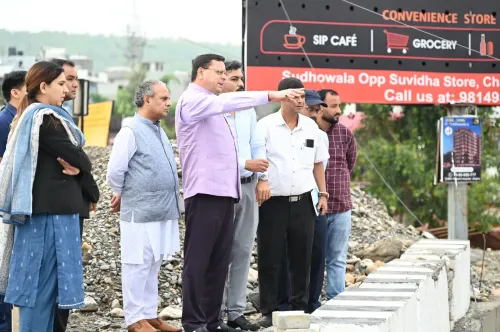
Uttarakhand Chief Minister Pushkar Singh Dhami on Sunday, 5 July 2026, directed officials during an inspection to ensure all ongoing construction works are completed with quality, transparency, and within stipulated timelines, with the explicit goal of protecting residents and preventing future flood damage.
Context
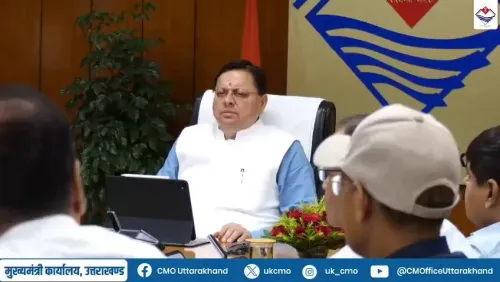
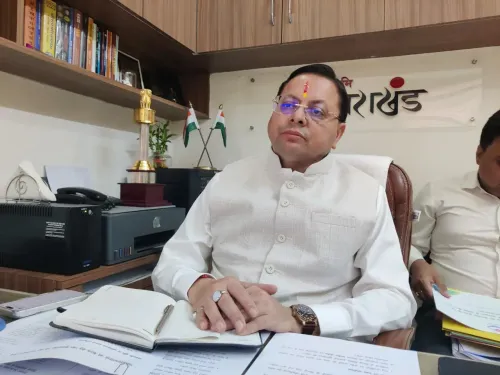
Posting on X, CM Dhami stated — 'निरीक्षण के दौरान अधिकारियों को निर्देश दिए कि सभी निर्माण कार्य गुणवत्ता, पारदर्शिता और समयबद्धता के साथ पूर्ण किए जाएँ' ['During the inspection, officials were directed to complete all construction works with quality, transparency and timeliness'] — so that the safety of local residents is ensured and potential flood damage in the future can be effectively prevented. The post was accompanied by two images, indicating an on-ground visit to an active project site.
Uttarakhand is a Himalayan state that faces recurring flood and landslide threats every monsoon season. The directive comes during a period of active construction activity across hilly districts, where infrastructure development intersects with significant ecological vulnerability.
Policy Backdrop
The state's focus on flood-resilient construction has deep roots. The catastrophic 2013 Uttarakhand floods — one of the deadliest natural disasters in modern Indian history — exposed critical gaps in construction standards and land-use practices, prompting successive administrations to mandate stricter quality controls on public works.
The National Disaster Management Act of 2005 lays down mandatory guidelines for construction quality and disaster mitigation that all states, including Uttarakhand, are required to follow. The Char Dham road connectivity project, launched around 2016 to link major pilgrimage sites through ecologically sensitive terrain, has also been subject to repeated government directives emphasising timely and transparent execution to minimise landslide and flood risks.
Issuing quality-control and transparency instructions during site inspections is part of a broader, recurring pattern in Uttarakhand — successive administrations have used such directives to balance infrastructure ambitions with disaster preparedness in fragile mountain ecosystems.
Stakeholders and Impact
The primary beneficiaries of these directives are local residents in hilly areas, who bear the most direct risk from substandard embankments, roads, and drainage infrastructure during high-rainfall months. Poor construction quality in flood-prone zones can amplify damage to homes, agricultural land, and connectivity routes.
Public works contractors and implementing agencies are the other key stakeholders, as the emphasis on transparency and timely completion places accountability squarely on project execution. For communities in remote Himalayan villages, flood-resilient infrastructure can be the difference between access to emergency services and complete isolation during a crisis.
What's Next
The immediate focus will be on whether compliance audits and completion timelines for ongoing road and embankment projects are enforced ahead of the peak monsoon period. CM Dhami's public directive signals that the state government intends to hold officials accountable for construction benchmarks, with flood preparedness as the stated priority. Sustained follow-through on quality checks — rather than one-off inspections — will determine whether these instructions translate into measurable improvements in disaster resilience for Uttarakhand's mountain communities.
Point of View
Signalling executive accountability without yet producing verifiable compliance data. The emphasis on 'transparency' is notable — it suggests an awareness that public works contracting in hilly terrain has historically been opaque. Connecting this to the post-2013 policy lineage, the state has consistently used such directives to reassure residents after disaster memory remains politically potent. The real test will be whether this inspection triggers enforceable audits or remains a symbolic gesture in a state where infrastructure and ecological fragility remain in chronic tension.
NationPress
5 Oct 2026
Frequently Asked Questions
What did CM Dhami say during the construction inspection?
CM Pushkar Singh Dhami directed officials to ensure all construction works are completed with quality, transparency, and within stipulated timelines, specifically to protect local residents and prevent future flood damage in Uttarakhand.
Why is construction quality important in Uttarakhand?
Uttarakhand is a Himalayan state highly vulnerable to floods and landslides, especially during monsoon season. Poor construction standards can amplify disaster damage, as was starkly demonstrated during the catastrophic 2013 Uttarakhand floods.
What is the Char Dham project and how does it relate to flood risks?
The Char Dham project, launched around 2016, is a large-scale road connectivity initiative linking major pilgrimage sites through ecologically sensitive mountain terrain. It has been subject to repeated government directives on timely, transparent execution to minimise landslide and flood risks.
What laws govern construction quality for disaster prevention in India?
The National Disaster Management Act of 2005 lays down mandatory guidelines for construction quality and disaster mitigation that all Indian states, including Uttarakhand, are required to follow.
What should residents of Uttarakhand's hilly areas expect next?
The focus will be on compliance audits and completion timelines for ongoing road and embankment projects ahead of the peak monsoon season, which will determine whether CM Dhami's directives lead to measurable improvements in flood resilience.