CM Dhami Reviews Uttarakhand's Monsoon Preparedness at Secretariat
Synopsis
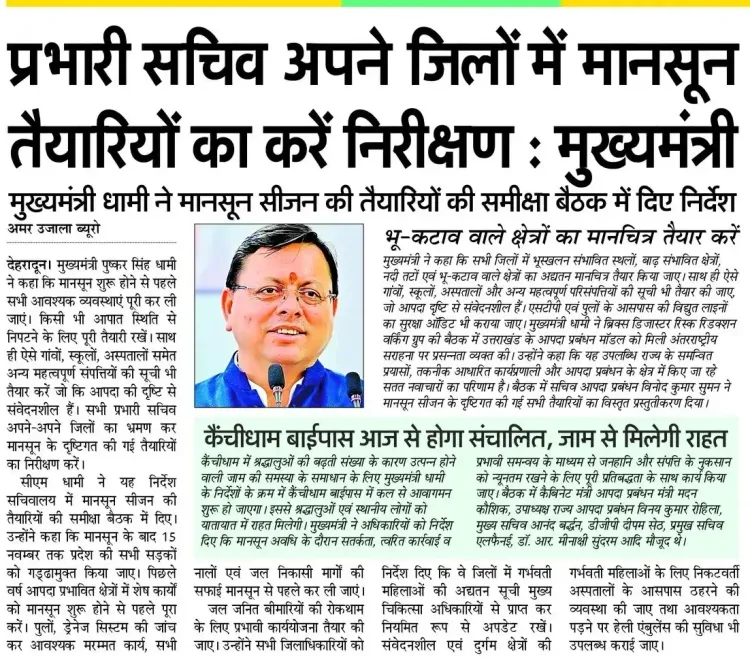
Chief Minister Pushkar Singh Dhami chaired a pre-monsoon preparedness review at the Uttarakhand Secretariat on 10 June 2026, ahead of the June–September monsoon season that annually brings flash floods and landslides to the Himalayan state.
Key Takeaways
CM Pushkar Singh Dhami chaired the monsoon preparedness review at the Uttarakhand Secretariat, Dehradun on 10 June 2026 .
The review is part of an institutionalised pre-monsoon administrative cycle mandated under the Disaster Management Act, 2005 .
The Uttarakhand State Disaster Management Plan , first notified in 2012 , guides district-level action plans each monsoon.
USDMA coordinates state preparedness in alignment with NDMA advisories issued from New Delhi.
Uttarakhand's 13 hill districts face recurring flash floods, cloudbursts, and landslides during the June–September monsoon window.
District-level control-room activation and revised SOPs are the key follow-up steps to watch before monsoon onset.
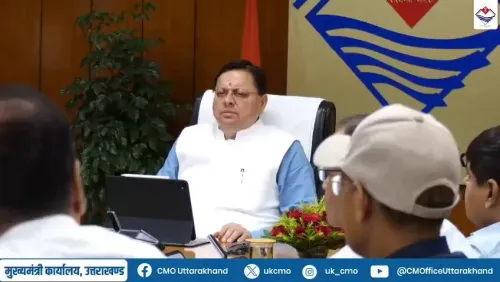
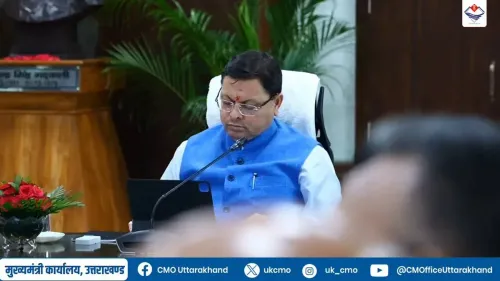
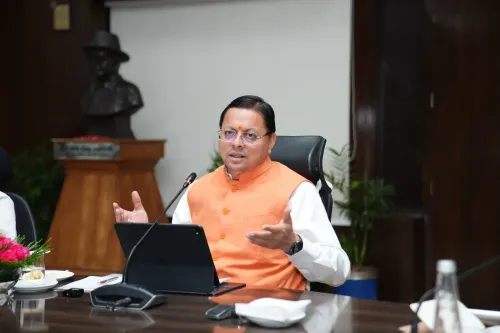
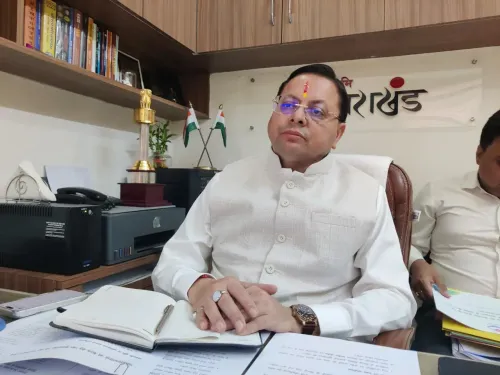
The Chief Minister's Office of Uttarakhand announced on Wednesday, 10 June 2026 that Chief Minister Pushkar Singh Dhami chaired a review meeting at the Uttarakhand Secretariat in Dehradun to assess the state's preparedness for the upcoming monsoon season. The meeting signals the start of the state government's annual pre-monsoon administrative cycle ahead of the June–September rainfall period.
Context
The post, shared by the official Chief Minister's Office handle, states: 'Mukhyamantri Shri Pushkar Singh Dhami ne sachivalaya mein ki aagami monsoon season ki taiyariyon ki samiksha' — ('Chief Minister Shri Pushkar Singh Dhami conducted a review of preparations for the upcoming monsoon season at the Secretariat'). The meeting was held inside the Secretariat, the nerve centre of Uttarakhand's executive administration in Dehradun.
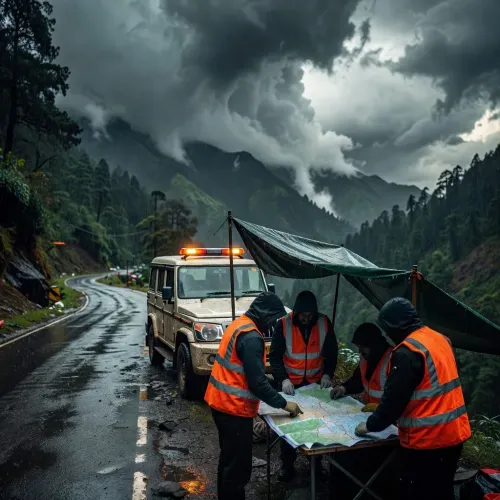
Uttarakhand's Himalayan geography makes it one of India's most disaster-prone states during the monsoon. Flash floods, cloudbursts, and landslides routinely affect hill districts between June and September, placing enormous pressure on state emergency machinery.
Policy Backdrop
The legal foundation for such reviews lies in the Disaster Management Act, 2005, which mandates state governments to maintain updated disaster management plans and conduct periodic preparedness exercises. The Uttarakhand State Disaster Management Plan, first notified in 2012 and revised periodically, provides the operational template that district administrations follow each monsoon.
The Uttarakhand State Disaster Management Authority (USDMA) coordinates preparedness at the state level, aligning district action plans with advisories issued by the National Disaster Management Authority (NDMA) in New Delhi. Pre-monsoon review meetings of this kind have become an institutionalised practice under successive governments in the state, mirroring similar exercises conducted in other Himalayan and coastal states.
Stakeholders and Impact
The most direct beneficiaries of robust monsoon preparedness are the residents of Uttarakhand's hill districts, where infrastructure damage and loss of life during the monsoon have historically been significant. Disaster response teams — including State Disaster Response Force units, district administration personnel, and revenue officials — are the primary implementers of any directives that emerge from such reviews.
Coordination between the state secretariat and district-level control rooms is central to effective early warning and evacuation. A timely review at the secretariat level helps ensure that gaps identified from the previous monsoon season are addressed before the rains arrive.
What's Next
Observers will watch for the activation of district-level control rooms across Uttarakhand's 13 districts and the issuance of any revised Standard Operating Procedures ahead of the 2026 monsoon onset. Deployment of additional SDRF personnel to high-risk zones and the operationalisation of early-warning systems along major river corridors are among the steps typically taken following such secretariat-level reviews.
With the monsoon expected to reach Uttarakhand by late June, the window for ground-level preparedness is narrow, making the pace of follow-up action from this review critical.
Point of View
Coming in the second week of June, reflects a well-established pattern in Uttarakhand's governance calendar — one that successive chief ministers have maintained given the state's acute vulnerability to monsoon disasters. For CM Dhami, who has overseen several consecutive monsoon cycles since 2021, the exercise also carries political weight: visible administrative action ahead of a potentially severe monsoon season signals executive ownership of disaster outcomes. The institutionalisation of such reviews under the Disaster Management Act framework has gradually shifted accountability from reactive crisis management to proactive preparedness. The real test, however, lies not in the review meeting itself but in the speed and quality of district-level implementation that follows.
NationPress
25 Oct 2026
Frequently Asked Questions
Why did CM Dhami hold a monsoon preparedness review in June 2026?
CM Pushkar Singh Dhami held the review on 10 June 2026 to assess Uttarakhand's readiness ahead of the June–September monsoon season, which annually brings flash floods and landslides to the Himalayan state. Such pre-monsoon reviews are a standard administrative practice mandated under the Disaster Management Act, 2005.
Where was the Uttarakhand monsoon review meeting held?
The review meeting was held at the Uttarakhand Secretariat in Dehradun, the administrative headquarters of the state government, where cabinet and departmental reviews are routinely conducted.
What is the Uttarakhand State Disaster Management Authority?
The Uttarakhand State Disaster Management Authority (USDMA) is the state body constituted under the Disaster Management Act, 2005, responsible for coordinating disaster preparedness and response across the state. It aligns district-level action plans with guidelines from the National Disaster Management Authority.
What happens after a monsoon preparedness review in Uttarakhand?
Following such reviews, district-level control rooms are typically activated, Standard Operating Procedures are updated, and SDRF teams are deployed to high-risk zones. Early-warning systems along river corridors are also operationalised before the monsoon onset.
How often does Uttarakhand face floods and landslides during monsoon?
Uttarakhand faces recurring flash floods, cloudbursts, and landslides every monsoon season between June and September due to its Himalayan terrain. The state is among India's most disaster-prone regions during this period, making annual preparedness reviews critical.