CM Dhami Leads Pre-Monsoon Mock Drill in Dehradun
Synopsis
Uttarakhand CM Pushkar Singh Dhami live-streamed a state-level pre-monsoon mock drill in Dehradun on 2 July 2026, testing multi-department disaster response coordination ahead of the monsoon season in one of India's most flood-prone Himalayan states.
Key Takeaways
CM Pushkar Singh Dhami shared a live broadcast of a state-level pre-monsoon mock drill in Dehradun on 2 July 2026 .
Uttarakhand is a Himalayan state highly vulnerable to monsoon-triggered landslides, cloudbursts and flash floods.
Annual pre-monsoon drills in the state were institutionalised following the devastating 2013 Kedarnath floods .
The National Disaster Management Act, 2005 mandates states to conduct regular mock drills and update disaster management plans.
Drills test coordination among revenue, police, health and SDRF departments ahead of the June–September monsoon window.
Outcomes of the 2026 drill season are expected to feed into updated standard operating procedures for monsoon response.
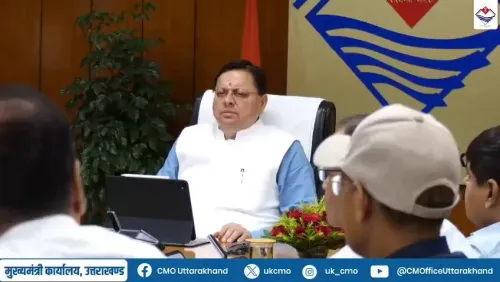
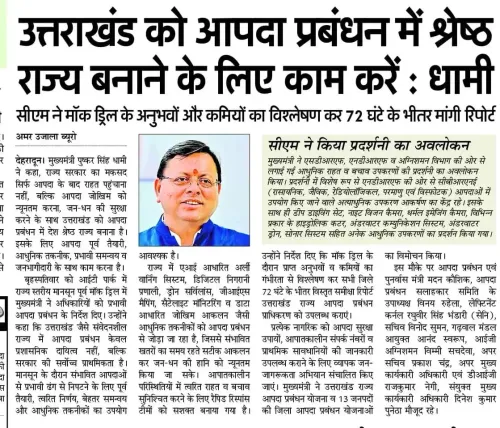
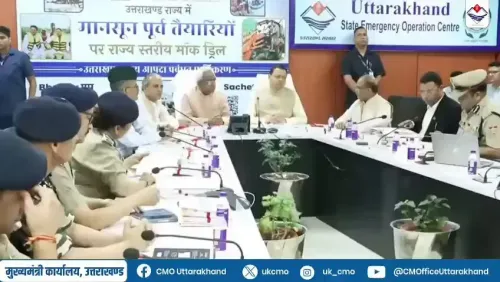
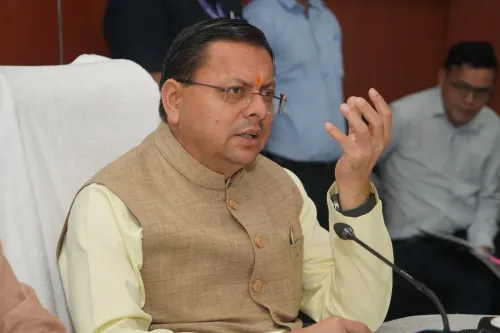
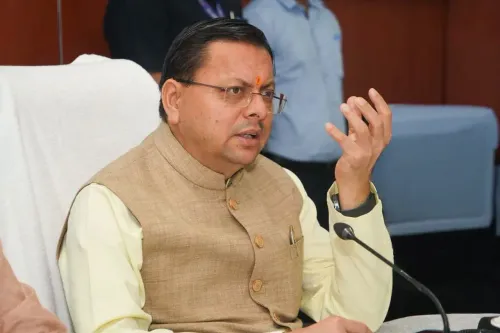
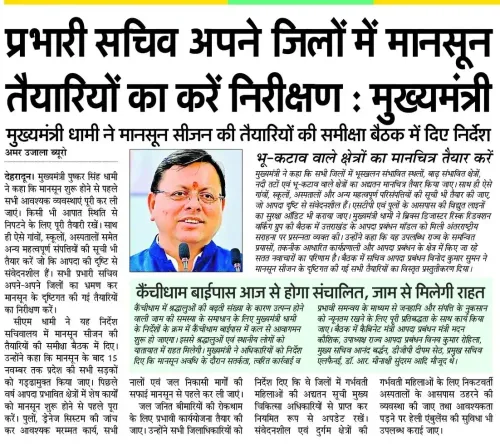
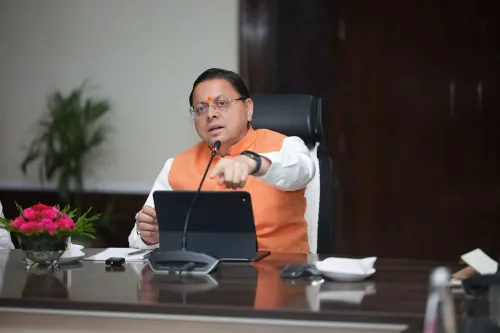
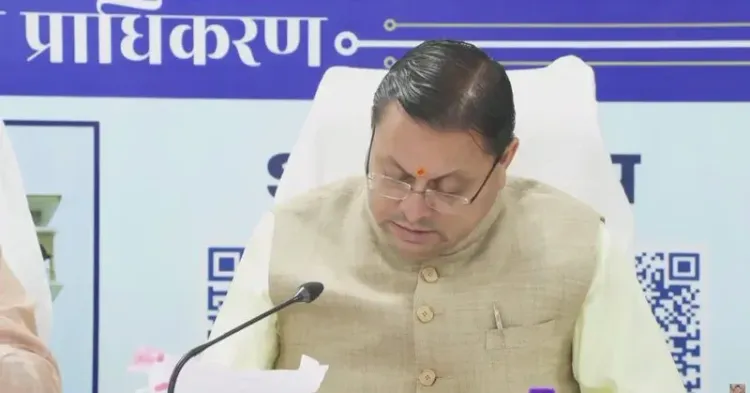
Uttarakhand Chief Minister Pushkar Singh Dhami on Thursday, 2 July 2026, shared a live broadcast of a state-level pre-monsoon mock drill being conducted in Dehradun, signalling the state government's push to test disaster response readiness ahead of the June–September monsoon window.
Context
Uttarakhand is among India's most disaster-prone Himalayan states, regularly battered by landslides, cloudbursts and flash floods during the monsoon season. The shadow of the 2013 Kedarnath floods — one of the deadliest natural disasters in independent India — has shaped the state's approach to monsoon preparedness ever since, prompting annual pre-season drills to sharpen response systems.
CM Dhami's post, captioned 'LIVE: देहरादून में मानसून पूर्व तैयारियों पर राज्य स्तरीय मॉक ड्रिल' ('LIVE: State-level mock drill on pre-monsoon preparations in Dehradun'), linked directly to a live broadcast, indicating the exercise was conducted in real time and made publicly accessible.
Policy Backdrop
Under the National Disaster Management Act, 2005, state governments are mandated to conduct regular mock drills and keep their disaster management plans updated. Uttarakhand has institutionalised annual pre-monsoon preparedness exercises in the years following the 2013 Kedarnath disaster, building frameworks for early warning dissemination and coordinated evacuation.
Such drills typically test coordination across multiple departments — revenue, police, health, and the State Disaster Response Force (SDRF) — to ensure seamless communication and rapid deployment when actual emergencies strike. The exercises are designed to expose gaps in standard operating procedures before the monsoon arrives in full force.
Stakeholders and Impact
The primary beneficiaries of a robust pre-monsoon drill are the residents of Uttarakhand's hill districts, who face acute vulnerability to sudden weather events. Communities in remote valleys with limited road connectivity depend heavily on state machinery for timely rescue and relief.
Disaster response teams, including the SDRF and local civil defence units, gain critical operational experience through such exercises. Himalayan states broadly have scaled up the frequency and scope of preparedness drills in response to the increasing intensity of extreme rainfall events recorded over the past decade.
What's Next
The state government is expected to review the outcomes of the 2026 drill season and incorporate lessons into updated standard operating procedures before peak monsoon activity intensifies. Observers will watch whether follow-up reviews translate into measurable improvements in early warning reach and inter-agency coordination.
With climate patterns making Himalayan weather increasingly unpredictable, the quality of pre-monsoon preparedness exercises will be a key indicator of the state's resilience — and of CM Dhami's governance priorities heading into a demanding monsoon season.
Point of View
Particularly as extreme weather events grow more frequent. By anchoring the exercise at the state level in Dehradun, the administration is also reinforcing vertical command — ensuring district machinery aligns with state protocols rather than operating in silos. The broader pattern across India's hill states suggests that disaster preparedness is increasingly being treated as a political asset, not merely an administrative obligation.
NationPress
1 Oct 2026
Frequently Asked Questions
What is the pre-monsoon mock drill in Uttarakhand?
It is a state-level exercise conducted annually before the monsoon season to test the coordination of disaster response agencies — including the SDRF, police, health and revenue departments — in handling floods, landslides and other weather emergencies in Uttarakhand.
Why does Uttarakhand hold pre-monsoon drills every year?
Uttarakhand institutionalised annual pre-monsoon preparedness drills after the catastrophic 2013 Kedarnath floods, which exposed critical gaps in early warning and evacuation systems. The exercises help update standard operating procedures before peak monsoon activity.
What did CM Pushkar Singh Dhami do on 2 July 2026?
CM Dhami shared a live broadcast of a state-level pre-monsoon mock drill held in Dehradun on 2 July 2026, making the exercise publicly accessible in real time via his official X account.
Is Uttarakhand required by law to hold disaster mock drills?
Yes. Under the National Disaster Management Act, 2005, state governments are legally required to conduct regular mock drills and keep their disaster management plans updated.
Which agencies participate in Uttarakhand's pre-monsoon mock drills?
The drills typically involve the State Disaster Response Force (SDRF), revenue department, police, health services and civil defence units, testing multi-agency coordination for rapid response during monsoon emergencies.