CM Dhami Orders Pre-Monsoon Alert Across Uttarakhand
Synopsis
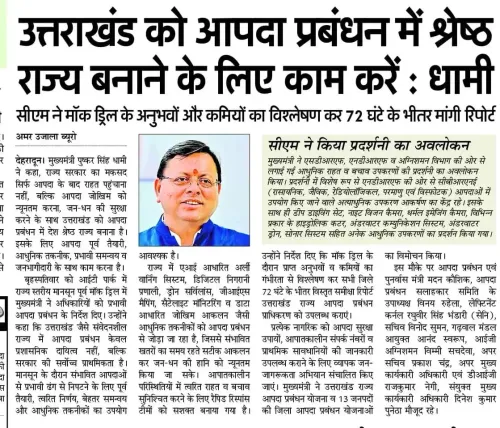
Uttarakhand CM Pushkar Singh Dhami chaired a secretariat review meeting on 9 June 2026, ordering district magistrates to map landslide and flood zones, pre-position heavy machinery, conduct NDRF-SDRF mock drills, and ensure healthcare access for pregnant women ahead of the monsoon season.
Key Takeaways
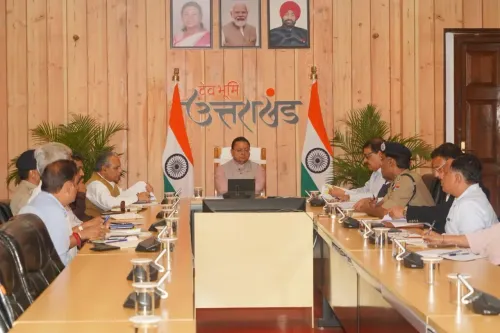
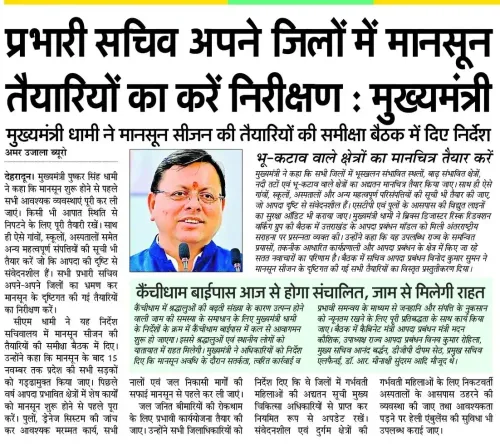
CM Dhami held a pre-monsoon review meeting at the Uttarakhand secretariat on 9 June 2026 , directing all district magistrates to remain on alert mode.
Officials must map and list sensitive villages, schools, hospitals and assets in landslide, flood and erosion-prone zones.
Char Dham Yatra routes, national highways and state highways are to be placed under special surveillance throughout the monsoon period.
Pregnant women in vulnerable areas are to be pre-identified and provided health check-ups, medical facilities and safe transport arrangements in advance.
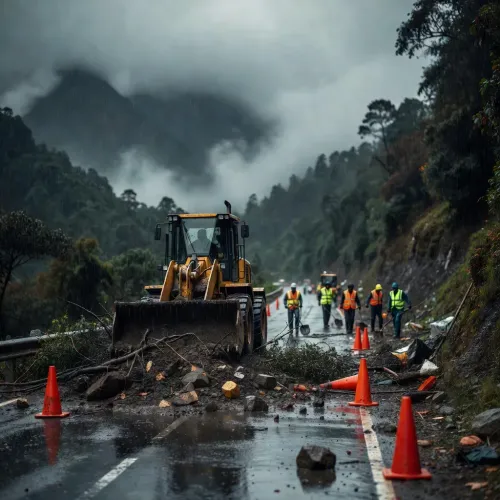
JCBs, Poklains, dumpers and other machinery are to be deployed in advance at disaster-prone sites; alternative road arrangements must be ready for blocked routes.
UKSDRF, NDRF , police and fire services are to conduct regular mock drills, and every tehsil must stock adequate relief and rescue material.
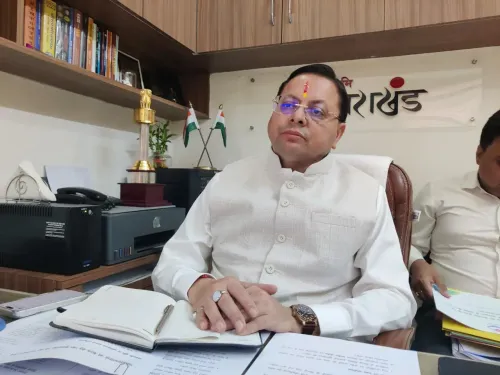
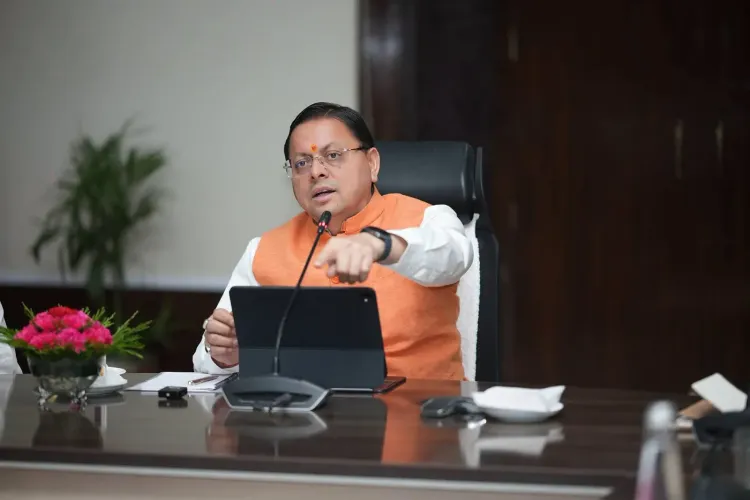
Uttarakhand Chief Minister Pushkar Singh Dhami on Tuesday, 9 June 2026, directed all district magistrates to remain on high alert and complete monsoon preparedness measures in a time-bound manner, issuing the orders during a review meeting at the state secretariat. The directives cover landslide-prone corridors, flood-vulnerable settlements, the Char Dham Yatra routes, and the health needs of pregnant women in remote areas.
Context
Uttarakhand, a Himalayan state bordered by Tibet and Nepal, records some of India's most severe monsoon-linked disasters each year. Landslides, flash floods and river-bank erosion routinely cut off villages, damage highways and threaten the millions of pilgrims who travel to Yamunotri, Gangotri, Kedarnath and Badrinath during the summer season. The 2013 Kedarnath floods — which killed thousands — remain the defining catastrophe that reshaped the state's disaster governance architecture.
CM Dhami's secretariat meeting follows the national pre-monsoon planning calendar mandated under the Disaster Management Act, 2005, which requires state and district authorities to complete preparedness audits before the onset of the southwest monsoon, typically arriving in Uttarakhand by late June.
Policy Backdrop
The instructions issued at the meeting align closely with National Disaster Management Authority (NDMA) standard operating procedures, which since the 2010s have required advance deployment of earth-moving machinery — JCBs, Poklains and dumpers — at disaster-prone points so that blocked roads can be cleared without delay. Authorities were also directed to prepare alternative connectivity arrangements for roads that may be shut by landslides.
The Char Dham road-widening project, launched between 2016 and 2018, added slope-stabilisation obligations and traffic-monitoring requirements along the pilgrimage corridors that now form a core part of the annual preparedness checklist. CM Dhami specifically asked officers to maintain 'special surveillance' on Char Dham routes as well as national and state highways.
A notable health-focused directive requires officials to pre-identify pregnant women in vulnerable areas, arrange their medical check-ups, ensure essential healthcare facilities are accessible, and pre-position safe transport for emergencies during the monsoon months — an acknowledgement that remote terrain can make last-minute medical evacuation impossible.
Stakeholders and Impact
The preparedness framework spans multiple vulnerable groups: hill villagers in landslide-prone settlements, Char Dham pilgrims and tourists using mountain roads, pregnant women in geographically isolated villages, students in schools flagged as sensitive, and patients in hospitals near erosion zones. Officers were told to prepare consolidated lists of sensitive villages, schools, hospitals and other critical assets after mapping landslide, flood and erosion risk zones district by district.
On the operational side, the Uttarakhand State Disaster Response Force (UKSDRF) and the National Disaster Response Force (NDRF) — along with police and fire services — are to conduct regular inter-agency mock drills. Each tehsil must maintain adequate stocks of relief and rescue material. Weather alerts are to be disseminated rapidly down to the village level, and tourists and pilgrims are to receive timely advisories.
What's Next
The effectiveness of these directives will be tested once the monsoon arrives, with road-clearance response times and mock-drill outcomes serving as early indicators of ground-level preparedness. Analysts will also watch whether the state seeks supplementary central assistance or additional budget allocations for disaster mitigation infrastructure ahead of the peak monsoon weeks. For pilgrims undertaking the Char Dham Yatra — one of India's largest annual religious movements — the quality of real-time weather alerts and highway monitoring will be the most immediate measure of whether this year's preparations translate into reduced casualties and disruption.
Point of View
Complete with tags to the Prime Minister and Home Minister, is as much a governance signal as an administrative directive — positioning the BJP-led state government as proactively owning disaster preparedness ahead of a season that has historically exposed Uttarakhand's vulnerabilities. The specific attention to pregnant women and village-level weather alerts moves the preparedness discourse beyond infrastructure into social welfare, broadening the political constituency that benefits visibly from the exercise. Embedded within the post-2013 Kedarnath reform arc, the meeting reflects how Himalayan states have institutionalised pre-monsoon coordination, but the real test remains execution on the ground rather than the directives issued in the secretariat.
NationPress
23 Oct 2026
Frequently Asked Questions
What did CM Dhami instruct district magistrates ahead of the 2026 monsoon?
CM Dhami directed all district magistrates to stay on alert, map landslide and flood-prone zones, prepare lists of sensitive villages and assets, maintain special surveillance on Char Dham and highway routes, pre-position heavy machinery, conduct mock drills with NDRF and SDRF, and ensure village-level weather alerts are disseminated promptly.
Why is Uttarakhand especially vulnerable during the monsoon season?
Uttarakhand is a Himalayan state where steep terrain, fragile geology and heavy monsoon rainfall combine to trigger landslides, flash floods and river-bank erosion every year. The 2013 Kedarnath disaster, which killed thousands, remains the benchmark event that drove major reforms in the state's disaster management framework.
What special provisions were announced for pregnant women during the monsoon?
Officials were instructed to pre-identify pregnant women in vulnerable and remote areas, arrange their medical check-ups before the monsoon, ensure essential healthcare facilities are accessible, and pre-position safe transport so that emergency evacuation is possible even after roads are affected by landslides or floods.
Which agencies will conduct mock drills in Uttarakhand before the monsoon?
The Uttarakhand State Disaster Response Force (UKSDRF), the National Disaster Response Force (NDRF), state police and fire services are to jointly conduct regular mock drills. Each tehsil is also required to maintain adequate stocks of relief and rescue material.
How does the Char Dham Yatra factor into Uttarakhand's monsoon preparedness?
The Char Dham pilgrimage routes to Yamunotri, Gangotri, Kedarnath and Badrinath pass through some of the most landslide-prone mountain corridors in the state. CM Dhami specifically ordered special surveillance on these routes and directed that pilgrims and tourists receive timely weather and safety information throughout the monsoon period.