CM Dhami Puts Uttarakhand on High Alert Amid Heavy Rains
Synopsis
Uttarakhand CM Pushkar Singh Dhami on August 5, 2026 ordered SDRF, NDRF and district administrations onto high alert amid heavy monsoon rainfall, and appealed to residents and tourists to avoid unnecessary travel and stay away from rivers and vulnerable zones.
Key Takeaways
CM Pushkar Singh Dhami issued a high-alert directive to Uttarakhand's disaster management secretary on August 5, 2026 in response to heavy rainfall across the state.
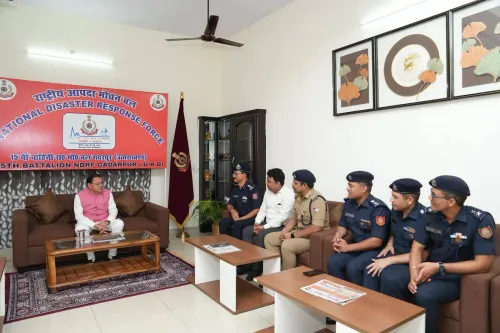
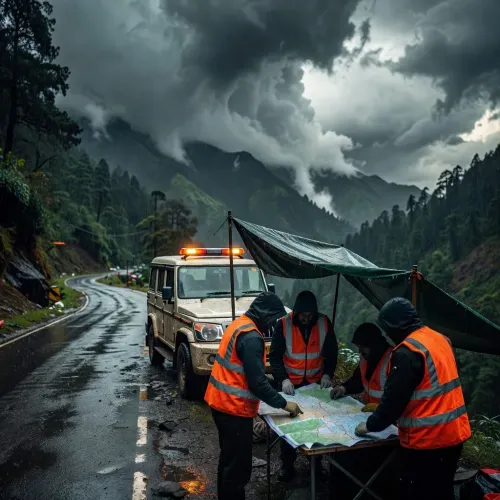
Both the SDRF and NDRF have been put on full vigilance with orders to ensure immediate relief and rescue in any emergency.
All district administrations have been directed to remain on alert and coordinate rapid response.
Residents and tourists have been advised to avoid unnecessary travel, stay away from rivers and streams, and follow official guidelines.
Uttarakhand's high-alert framework traces its institutional roots to the devastating 2013 Kedarnath floods , after which SDRF-NDRF coordination was significantly strengthened.
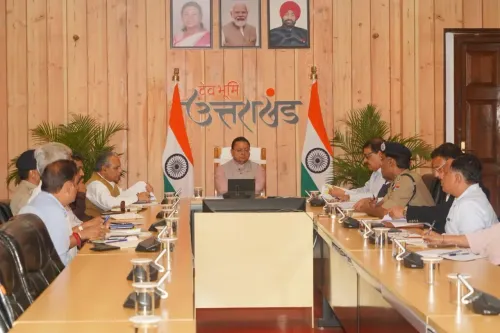
With monsoon clouds bearing down hard on the Himalayas, Uttarakhand Chief Minister Pushkar Singh Dhami issued a high-alert directive to the state's disaster management machinery early on Wednesday, August 5, 2026 — ordering emergency forces to stand ready and urging residents and tourists alike to stay off the roads.
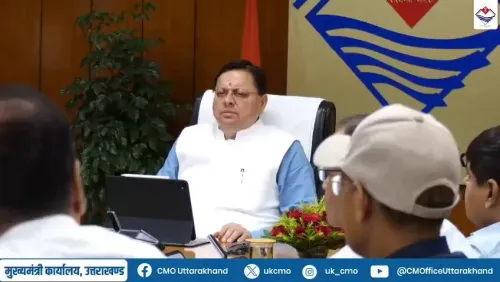
In a post on X, CM Dhami said he had instructed the Secretary of Disaster Management to remain on high alert, with both the State Disaster Response Force (SDRF) and the National Disaster Response Force (NDRF) directed to maintain full vigilance and ensure immediate relief and rescue operations in any emergency. 'Aap sabhi ki suraksha hamari sarvoch prathamikta hai' — 'Your safety is our highest priority' — he wrote, closing with a direct public appeal.
A State Wired for Monsoon Emergencies
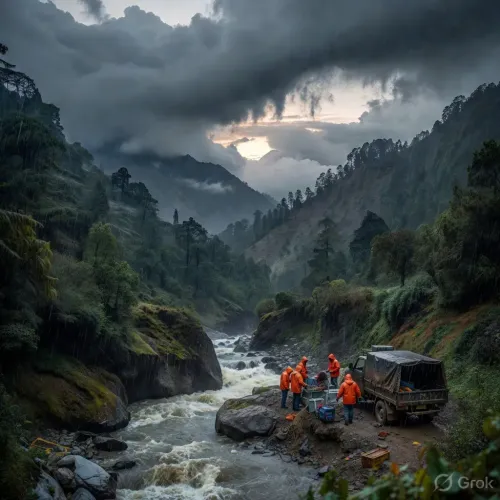
Uttarakhand's vulnerability to monsoon fury is not incidental — it is structural. The Himalayan state sits at the intersection of steep river valleys, fragile hill slopes, and some of India's most heavily trafficked pilgrimage routes, making it acutely exposed to flash floods, cloudbursts, and landslides every year between June and September. The catastrophic 2013 Kedarnath floods, which killed thousands and devastated entire villages, fundamentally reshaped how the state coordinates between SDRF units, NDRF battalions, and district administrations. The high-alert framework Dhami activated today is a direct institutional descendant of those hard lessons.
What Dhami Has Asked Forces and Citizens to Do
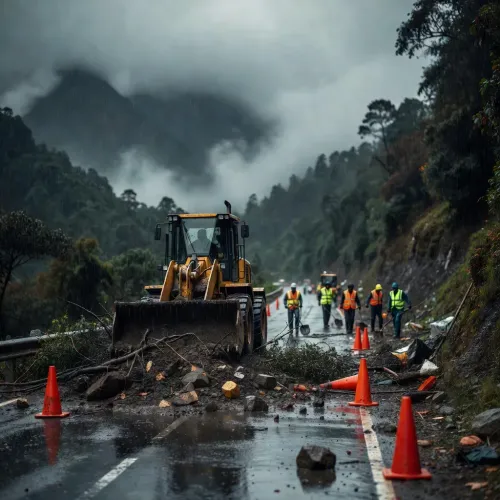
The directive covers two tracks simultaneously. On the operational side, all district administrations have been told to stay on full alert and ensure rescue teams can mobilise without delay. On the public side, Dhami has asked residents and tourists to avoid unnecessary travel, maintain safe distances from rivers and streams, and follow all guidelines issued by local authorities. The appeal to tourists is pointed — Uttarakhand's Char Dham pilgrimage corridor, which draws hundreds of thousands of visitors through the monsoon months, passes through some of the most landslide-prone terrain in the country.
District-wise rainfall reports, possible activation of relief camps, and updates on road closures along sensitive mountain routes will be the key indicators to watch as the weather system develops.
Point of View
And every successive administration has invested heavily in being seen as proactive rather than reactive. The dual-track directive — operational orders to forces, public advisory to tourists — also reflects the state's growing economic dependence on pilgrimage tourism, where a single high-profile tragedy can suppress footfall for seasons. Whether the on-ground response matches the urgency of the directive will be the real test.
NationPress
19 Sept 2026
Frequently Asked Questions
Why has Uttarakhand been put on high alert for rain in August 2026?
Chief Minister Pushkar Singh Dhami issued a high-alert directive on August 5, 2026, in response to heavy monsoon rainfall across the state, ordering SDRF, NDRF and all district administrations to remain on full vigil and ensure immediate rescue operations if needed.
Is it safe to travel to Uttarakhand during the monsoon right now?
CM Dhami has specifically appealed to tourists to avoid unnecessary travel, stay away from rivers and sensitive zones, and travel only if absolutely essential, following official guidelines issued by local authorities.
What is the SDRF and what role does it play in Uttarakhand floods?
The State Disaster Response Force (SDRF) is Uttarakhand's dedicated local emergency force responsible for disaster preparedness and on-ground rescue during floods, landslides and cloudbursts. It operates alongside the federal NDRF during major events.
How has Uttarakhand improved its disaster response since the 2013 Kedarnath floods?
Following the 2013 Kedarnath tragedy, Uttarakhand significantly strengthened coordination between SDRF and NDRF units and established district-level early warning systems, forming the institutional backbone of the current high-alert framework.
Are the Char Dham pilgrimage routes affected by the rain alert?
While no specific route closures have been confirmed, the Char Dham corridor passes through some of Uttarakhand's most landslide-prone terrain and falls squarely within the zones flagged as sensitive in CM Dhami's advisory. Pilgrims are urged to follow district administration guidelines.