CM Dhami Orders All Agencies: Stay Fully Alert for Relief Ops
Synopsis
Chief Minister Pushkar Singh Dhami on 7 August 2026 ordered all Uttarakhand agencies to remain fully vigilant for relief operations, issuing the directive at the peak of the monsoon season when the Himalayan state faces its highest risk of floods and landslides.
Key Takeaways
Chief Minister Pushkar Singh Dhami issued a direct alert on 7 August 2026 ordering all state agencies to stay fully alert for relief operations.
The directive was issued by the Chief Minister's Office of Uttarakhand during peak monsoon season.
Uttarakhand faces recurring annual risks of cloudbursts, flash floods, and landslides in its Himalayan terrain.
The state's disaster response protocols were significantly strengthened after the devastating 2013 Kedarnath floods .
District-level control rooms and pre-positioned relief teams form the backbone of the state's emergency response chain.
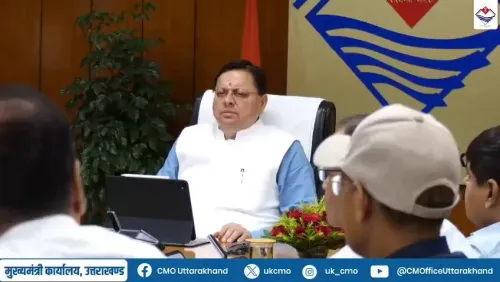
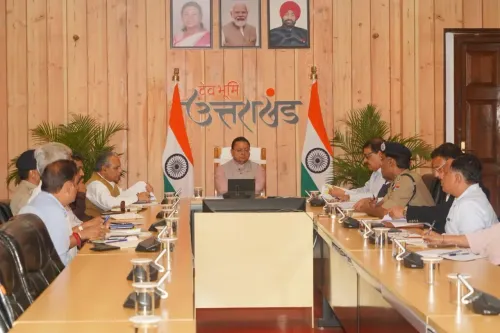
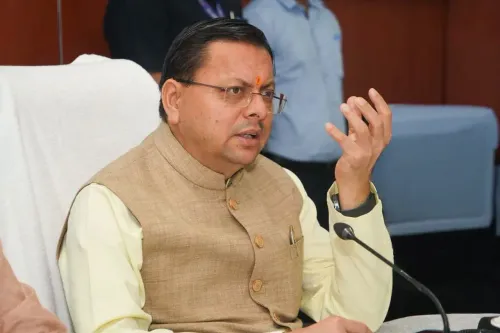
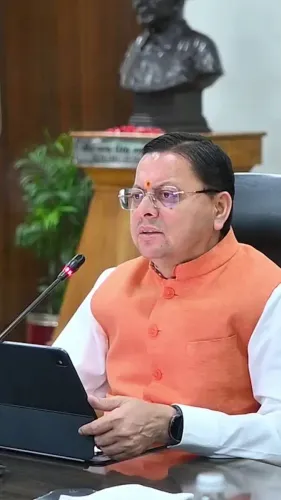
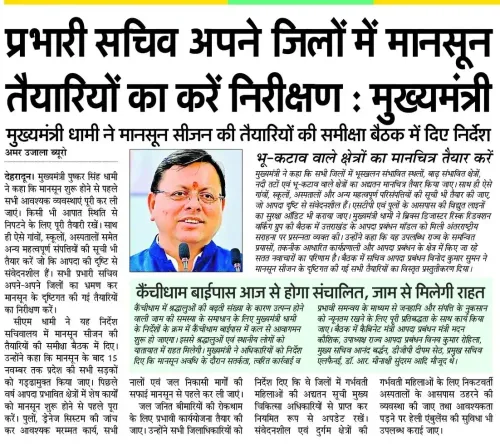
Monsoon season in the Himalayas does not wait for bureaucracy to catch up. On Friday, 7 August 2026, Chief Minister Pushkar Singh Dhami issued a sharp, direct directive through the Chief Minister's Office of Uttarakhand — all agencies must remain fully vigilant for relief operations.
The order, issued in Hindi, quoted the Chief Minister directly: 'Rahat karyon ke prati puri tarah satark rahen sabhi agencies' — 'All agencies must remain completely alert for relief operations.' Short. Unambiguous. The kind of message that moves machinery.
Why August is Uttarakhand's Most Dangerous Month
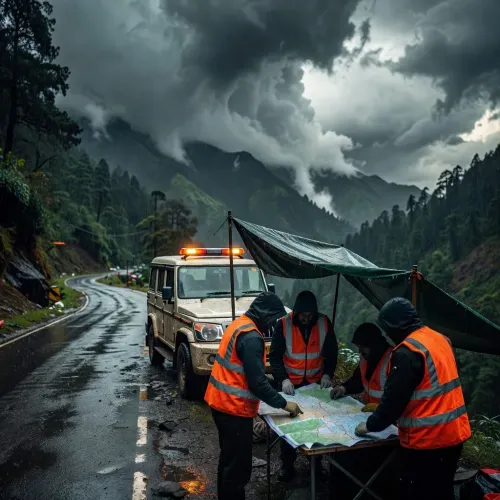
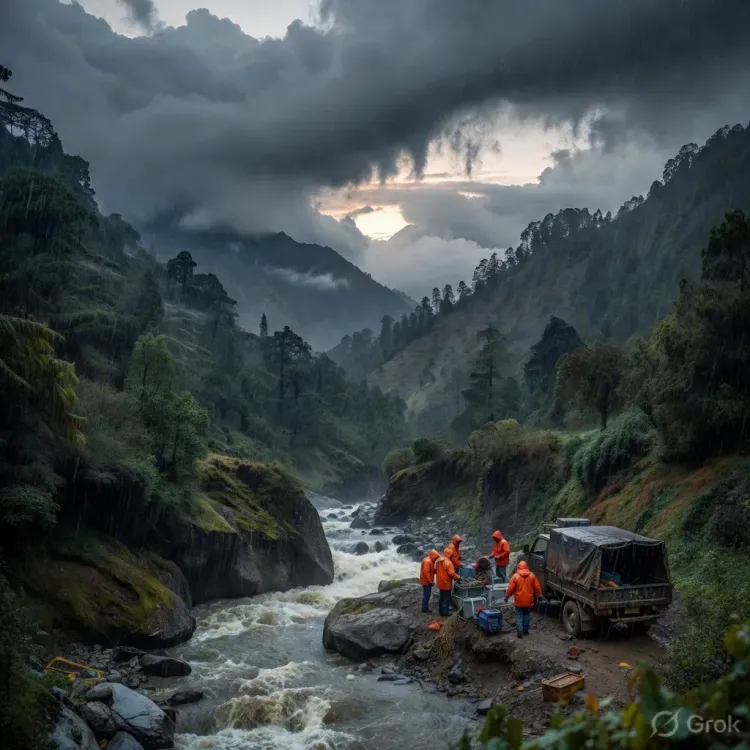
The directive arrives at the peak of the monsoon window — the weeks when Uttarakhand's Himalayan terrain turns most treacherous. Cloudbursts, flash floods, and landslides are not hypothetical risks here; they are annual certainties. The state sits at the intersection of fragile geology and heavy seasonal rainfall, and its river valleys — the Alaknanda, Bhagirathi, Mandakini — can transform within hours. The shadow of 2013 still falls long over Uttarakhand's disaster response culture. The Kedarnath floods of that year killed thousands and reshaped how the state thinks about emergency preparedness. In the years since, the government has built layered protocols: district-level control rooms, pre-positioned relief teams, and a chain of command that the Chief Minister's office activates through exactly these kinds of alerts.What the Directive Signals on the Ground
A statement from the Chief Minister's office at this level is not ceremonial. It is administrative pressure — a public signal to every agency in the chain, from state-level departments down to district collectors and local relief teams, that accountability is engaged. When a Chief Minister puts his name to 'stay fully alert,' it raises the cost of complacency. The broader pattern is well-established: the Uttarakhand government issues such alerts routinely through the monsoon period, coordinating between the State Disaster Management Authority, the National Disaster Response Force, and district administrations. Hill residents in vulnerable zones — particularly those near river banks and high-altitude roads — are the direct beneficiaries of how quickly that coordination activates. Watch for follow-up updates on specific incident responses, deployment of NDRF teams, or activation of district control rooms in the coming days — those will tell the real story of how this alert translates into action.Point of View
Early engagement with disaster risk carries both operational and political value. The directive also reflects a broader national trend of state governments using official social media handles for real-time administrative signalling during crisis seasons. Whether it translates into measurable preparedness on the ground will depend on the follow-through visible in district-level responses over the coming days.
NationPress
21 Sept 2026
Frequently Asked Questions
What did CM Dhami say about relief operations in Uttarakhand?
Chief Minister Pushkar Singh Dhami directed all agencies in Uttarakhand to remain completely alert for relief operations, issuing the order on 7 August 2026 during the peak monsoon period.
Why is Uttarakhand vulnerable to floods and landslides during monsoon?
Uttarakhand's Himalayan terrain, fragile geology, and heavy seasonal rainfall make it highly susceptible to cloudbursts, flash floods, and landslides every monsoon season, with river valleys like the Alaknanda and Mandakini among the most at-risk areas.
What disaster management protocols does Uttarakhand have in place?
Since the 2013 Kedarnath floods, Uttarakhand has built layered emergency protocols including district-level control rooms, pre-positioned relief teams, and coordination between the State Disaster Management Authority and the National Disaster Response Force.
Who is Pushkar Singh Dhami?
Pushkar Singh Dhami is the Chief Minister of Uttarakhand, serving since 2021, and is responsible for state-level administration and emergency response directives.
What should residents in vulnerable Uttarakhand areas do during monsoon?
Residents near river banks, high-altitude roads, and other flood-prone zones should stay alert to government advisories and be prepared to follow instructions from district administration and relief agencies during the monsoon season.