CM Dhami Puts Uttarakhand on Full Monsoon Alert
Synopsis
Uttarakhand CM Pushkar Singh Dhami on 11 June 2026 put the state government on full monsoon alert, ordering officials to treat public safety as the top priority and warning that any negligence in disaster preparedness will not be tolerated.
Key Takeaways
CM Pushkar Singh Dhami declared Uttarakhand fully in monsoon alert mode on 11 June 2026 .
Officials have been issued clear instructions that negligence in monsoon preparedness will 'absolutely not be tolerated.' Public safety has been stated as the government's highest priority for the monsoon season.
Uttarakhand's disaster protocols were significantly strengthened after the 2013 Kedarnath floods .
The Disaster Management Act, 2005 mandates annual monsoon preparedness plans for all state authorities.
High-risk districts including Chamoli, Rudraprayag, Pithoragarh , and Uttarkashi are expected to be on priority watch.
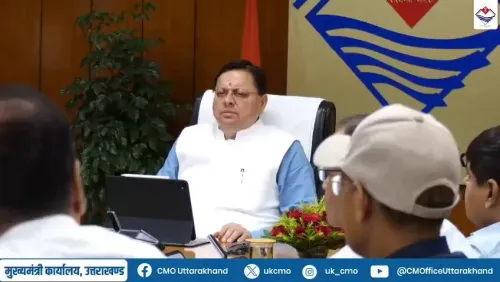
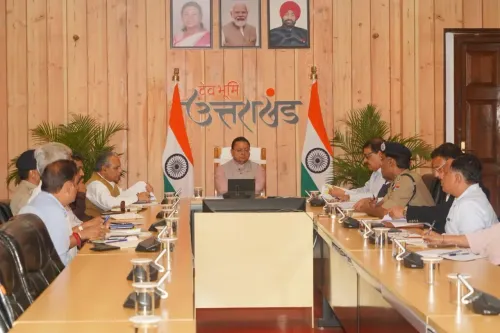
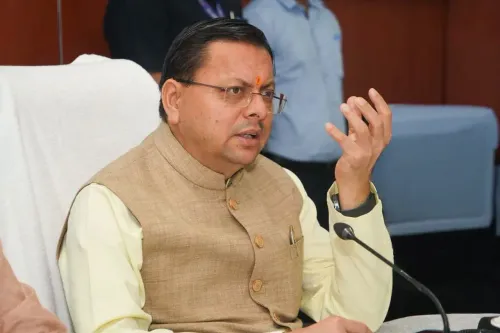
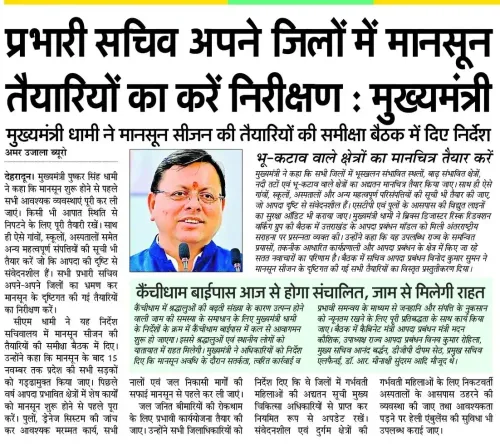
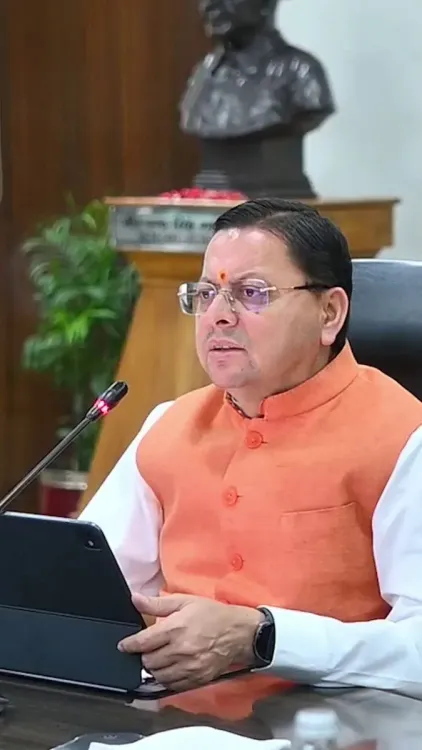
Uttarakhand Chief Minister Pushkar Singh Dhami on Thursday, 11 June 2026 declared that the state government is in full alert mode ahead of the monsoon season, issuing strict instructions to officials that negligence in preparedness will not be tolerated and that public safety is the top priority.
Context
Posting on X, CM Dhami wrote in Hindi: 'मानसून को लेकर सरकार पूरी तरह से अलर्ट मोड में है' ('The government is fully in alert mode regarding the monsoon'). He added that officials have been given clear instructions that carelessness in preparations will 'absolutely not be tolerated' and that the safety of the public is the highest priority.
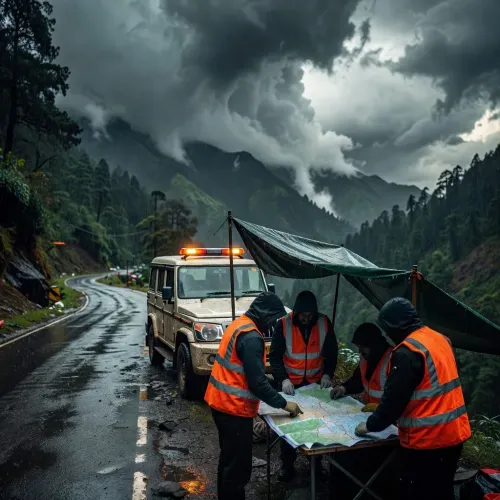
The announcement comes as Uttarakhand — a Himalayan state highly vulnerable to monsoon-induced landslides, flash floods, and cloudbursts — enters the critical pre-monsoon window each year in June.
Policy Backdrop
Uttarakhand's disaster preparedness framework is rooted in the Disaster Management Act, 2005, which mandates state-level authorities to draw up annual monsoon preparedness plans. The state's own protocols were significantly strengthened after the catastrophic 2013 Kedarnath floods, which caused massive loss of life and infrastructure across the hills.
The State Disaster Management Authority (SDMA) is responsible for coordinating early warning systems, evacuation drills, and inter-departmental readiness across hill districts. Successive governments in Dehradun have maintained a policy of zero tolerance for administrative lapses during the June–September monsoon period.
Stakeholders and Impact
The directive directly concerns district administrations across Uttarakhand's thirteen districts, particularly those in high-risk hill zones prone to hydro-meteorological hazards. Residents of vulnerable areas — including pilgrims visiting the state's religious sites — stand to benefit from tightened preparedness protocols.
Hill communities in districts such as Chamoli, Rudraprayag, Pithoragarh, and Uttarkashi face annual risks from cloudbursts and landslides. Timely activation of control rooms and evacuation routes is critical to minimising casualties during peak rainfall months.
What's Next
Observers will watch for the formal release of the state's 2026 monsoon preparedness report and any official activation of district-level control rooms or evacuation drills in the coming weeks. CM Dhami's public statement signals political accountability for the monsoon response and puts officials on notice ahead of the season's onset.
With Himalayan states recording recurring annual losses from monsoon hazards, the effectiveness of Uttarakhand's pre-season mobilisation will be a key test of administrative readiness — and of the state's ability to translate political directives into ground-level action.
Point of View
Most memorably the 2013 Kedarnath disaster, have made disaster readiness a high-stakes governance metric in the state. The post follows a broader pattern among Himalayan state governments of using social media to communicate seasonal preparedness, blending administrative instruction with public reassurance. How swiftly on-ground mechanisms — control rooms, evacuation drills, early-warning systems — are activated will determine whether the directive translates from rhetoric to measurable readiness.
NationPress
26 Oct 2026
Frequently Asked Questions
Why has Uttarakhand declared a monsoon alert in June 2026?
CM Pushkar Singh Dhami announced on 11 June 2026 that the Uttarakhand government is fully in alert mode for the monsoon season, citing public safety as the top priority and ordering officials to ensure no lapses in preparedness.
Which districts in Uttarakhand are most at risk during the monsoon?
High-risk districts include Chamoli, Rudraprayag, Pithoragarh, and Uttarkashi, which are prone to cloudbursts, landslides, and flash floods during the June–September monsoon period.
What is the State Disaster Management Authority in Uttarakhand?
The Uttarakhand State Disaster Management Authority (SDMA) is the nodal body responsible for coordinating early warning systems, evacuation drills, and inter-departmental monsoon readiness, operating under the Disaster Management Act, 2005.
How did the 2013 Kedarnath floods change Uttarakhand's disaster protocols?
The catastrophic 2013 Kedarnath floods, which caused massive casualties and infrastructure damage, prompted Uttarakhand to significantly strengthen its SDMA protocols, including improved early warning systems and evacuation planning.
What action has CM Dhami directed officials to take for monsoon 2026?
CM Dhami has issued clear instructions that negligence in monsoon preparedness will not be tolerated, signalling expected activation of district control rooms, evacuation drills, and early warning mechanisms ahead of the monsoon's onset.