Pradhan Thanks Sambalpur Author for Book on Guru Padmasambhav
Synopsis
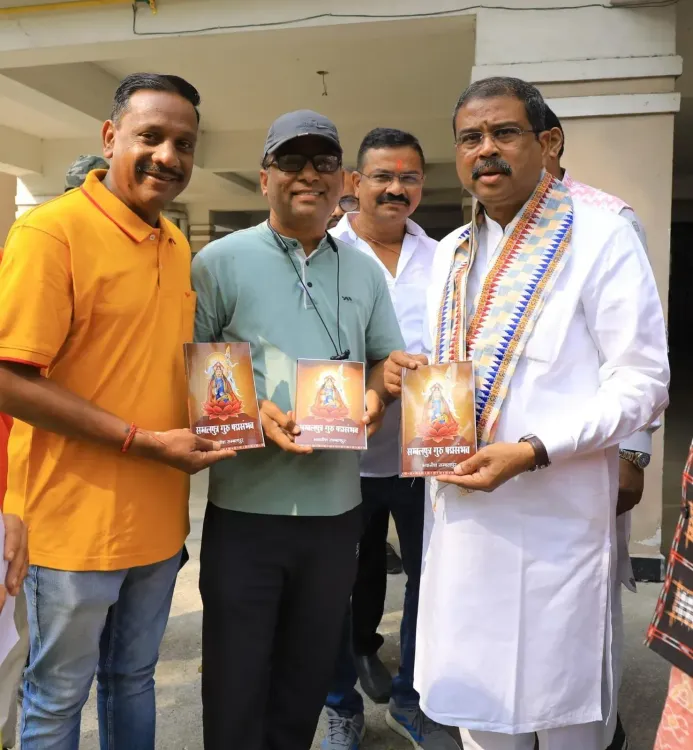
Union Education Minister Dharmendra Pradhan publicly thanked Sambalpur journalist and writer Bhavani Shankar Bhoi for gifting him 'Sambalpurputra Guru Padmasambhav', calling the book a beautiful effort to preserve and promote western Odisha's ancient cultural and spiritual heritage.
Key Takeaways
Dharmendra Pradhan thanked writer Bhavani Shankar Bhoi on November 15, 2026 for gifting him the book 'Sambalpurputra Guru Padmasambhav' .
The book documents Sambalpur 's ancient cultural heritage, spiritual traditions, and historical facts related to Guru Padmasambhav .
Pradhan called it 'a beautiful effort' to advance the region's folk culture and tradition.
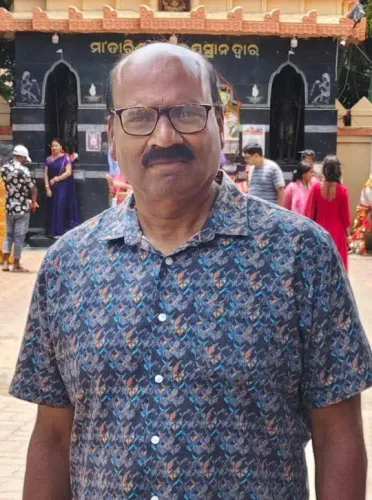
Bhavani Shankar Bhoi is a writer and journalist based in Sambalpur , western Odisha.
The acknowledgement reflects a broader pattern of Odisha-origin Union ministers spotlighting regional literary works on national platforms.
A book on one of Odisha's most revered spiritual figures landed on Union Education Minister Dharmendra Pradhan's desk — and he made sure its author knew it mattered. On Sunday, November 15, 2026, Pradhan took to X to thank Bhavani Shankar Bhoi, a writer and journalist from Sambalpur, for gifting him a copy of Bhoi's work, 'Sambalpurputra Guru Padmasambhav' ('Sambalpur's Son, Guru Padmasambhav').
Pradhan described the book as a 'beautiful effort' to carry forward the folk culture and traditions of the region, noting that it brings together a wealth of information on Sambalpur's ancient cultural heritage, spiritual traditions, and facts relating to Guru Padmasambhav — material he said would help readers understand their own history better.
Who is Guru Padmasambhav — and why does Sambalpur claim him?
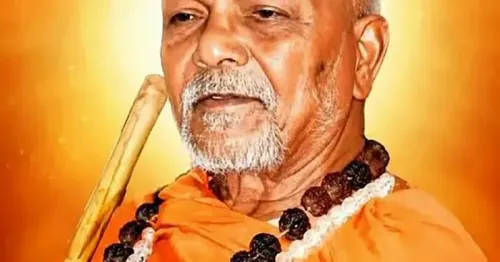
Guru Padmasambhav, also known as Padmasambhava or Guru Rinpoche, is a towering figure in Buddhist and broader spiritual traditions across Asia. The Sambalpur connection — the idea that he has roots in western Odisha — is a thread of regional identity that local scholars and heritage researchers have long sought to document more rigorously. Bhoi's book appears to be a fresh attempt to compile and present that case to a wider audience.
Sambalpur itself is one of western Odisha's most culturally distinct cities, known for its Sambalpuri weave, Dalkhai folk traditions, and its position as a gateway to the region's tribal and spiritual heritage. That a sitting Union minister publicly acknowledged a local publication on this theme gives the work a measure of visibility it might not otherwise have reached.
Ministers from Odisha and the quiet work of cultural acknowledgement
Pradhan, who represents Sambalpur in Parliament, has periodically highlighted regional literary and cultural works from his home state — a pattern common among Odisha-origin leaders who use their national platforms to spotlight local scholarship. This post carries no policy announcement and signals no new programme. But it does something subtler: it validates the work of a local journalist-turned-author and places a niche regional publication in a national conversation, however briefly.
For Odia heritage researchers and writers, that visibility — a retweet, a public thanks from a Cabinet minister — can translate into readership, publishing interest, and funding conversations that a purely local launch rarely generates. Small gestures, in the attention economy, are rarely as small as they look.
Point of View
A figure straddling Buddhist and regional Odia identity, is consistent with a broader political-cultural project of reclaiming and foregrounding eastern India's spiritual heritage. While the gesture carries no policy weight, it signals continued investment in soft cultural diplomacy at the constituency level. For Sambalpur's writers and researchers, the ministerial endorsement is tangible capital.
NationPress
15 Nov 2026
Frequently Asked Questions
What is the book 'Sambalpurputra Guru Padmasambhav' about?
The book, written by Sambalpur-based journalist and author Bhavani Shankar Bhoi, documents the ancient cultural heritage, spiritual traditions, and historical facts of Sambalpur related to the spiritual figure Guru Padmasambhav, also known as Guru Rinpoche in Buddhist traditions.
Who is Bhavani Shankar Bhoi?
Bhavani Shankar Bhoi is a writer and journalist based in Sambalpur, western Odisha, and the author of the book on Guru Padmasambhav that he gifted to Union Education Minister Dharmendra Pradhan.
Why did Dharmendra Pradhan post about this book?
Pradhan posted on X to publicly thank Bhavani Shankar Bhoi for gifting him the book, praising it as a valuable effort to preserve and promote Sambalpur's folk culture, spiritual traditions, and history.
What is the connection between Guru Padmasambhav and Sambalpur?
Local Odia scholars and heritage researchers have long examined a claimed connection between Guru Padmasambhav — a revered figure in Buddhist and regional spiritual traditions — and western Odisha's Sambalpur region. Bhoi's book is a documented attempt to explore and present this heritage.
Does Dharmendra Pradhan represent Sambalpur?
Yes, Dharmendra Pradhan, the Union Minister of Education and senior BJP leader, represents Sambalpur in Parliament and has periodically used his national platform to highlight cultural and literary works from his home region in Odisha.