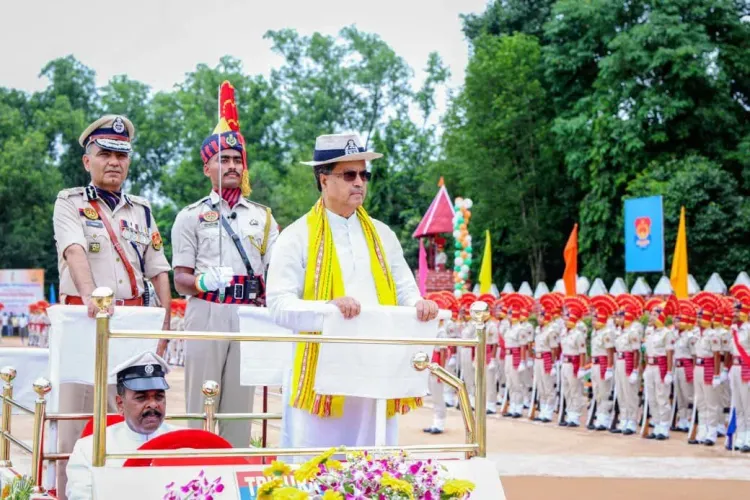
CM Manik Saha attends Tripura Police Passing Out Parade
Synopsis
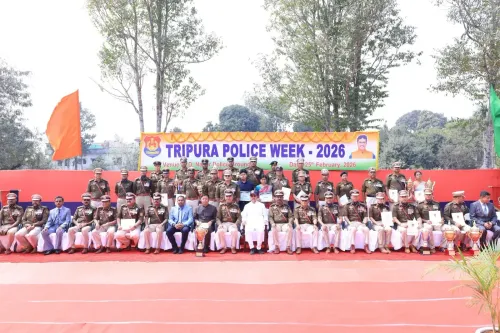
Tripura Chief Minister Dr. Manik Saha attended the Passing Out Parade of 469 constables from the 92nd Batch and one TSR Rifleman at R.K. Nagar on 18 July 2026, pledging to build a modern, technology-driven, and people-centric Tripura Police.
Key Takeaways
469 constables of the 92nd Batch and one TSR Rifleman of the 15th Battalion formally joined the Tripura Police on 18 July 2026 .
The recruits completed 12 months of training before the Passing Out Parade at R.K.
Manik Saha personally attended the ceremony and addressed the new recruits.
The state government has reaffirmed its commitment to making the Tripura Police a 'modern, technology-driven, and people-centric force.' The induction is part of a broader northeastern push for police expansion backed by the Centre's Modernisation of Police Forces (MPF) scheme.
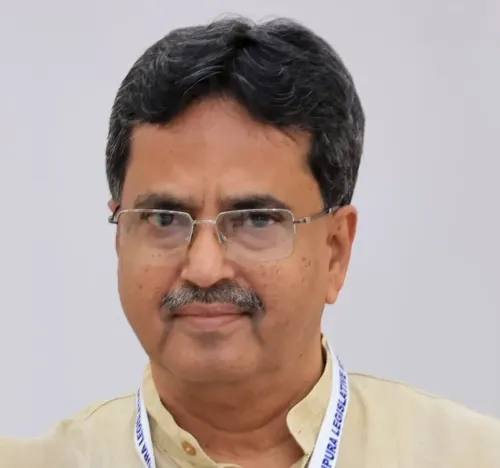
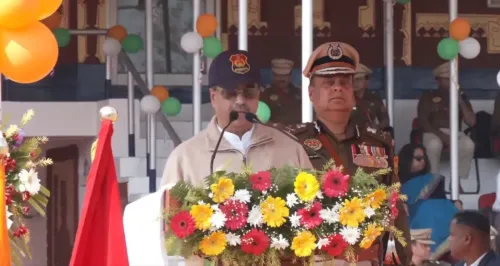
Tripura Chief Minister Dr. Manik Saha on Saturday, 18 July 2026, attended the Passing Out Parade of 469 newly recruited Constables of the 92nd Batch and one TSR Rifleman of the 15th Battalion at R.K. Nagar, Agartala, formally inducting them into the Tripura Police after 12 months of rigorous training.
Context
The parade marks the culmination of a year-long training programme for the latest constabulary batch, with the recruits now cleared to take up active duties across the state. Dr. Saha expressed pride in attending the ceremony, stating: 'With dedication and sincerity towards duty, it is possible to earn both respect and recognition in society.' The Chief Minister conveyed confidence that the new personnel's 'professionalism, integrity, commitment, and compassion will further enhance the image of the Tripura Police.'
The Tripura State Rifles (TSR), a state-raised paramilitary force under the Tripura Home Department, also saw one rifleman inducted from the 15th Battalion at the same ceremony, reflecting a coordinated expansion across both the regular police and auxiliary forces.
Policy Backdrop
The induction fits within a broader push by Tripura and other northeastern states to expand and modernise their law enforcement apparatus in the post-insurgency era. The Ministry of Home Affairs has supported state-level police upgrades through the Modernisation of Police Forces (MPF) scheme, which has been operational since 1969 and covers training infrastructure, equipment, and forensic capacity.
Dr. Saha reaffirmed the state government's direction, saying the administration remains 'committed to transforming the Tripura Police into a modern, technology-driven, and people-centric force.' This language aligns with the MPF framework's emphasis on IT integration and community-oriented policing that northeastern states have pursued since the early 2000s.
Stakeholders and Impact
The 469 new constables represent a direct addition to the frontline strength of the Tripura Police, which is responsible for internal security, law and order, and border management in the state. For residents of Tripura, a larger and better-trained police force is expected to improve response times and public interface, particularly in rural and border districts.
The recruits themselves transition from trainees to full-fledged officers, beginning careers in public service that carry both institutional responsibility and community trust. The Chief Minister's personal attendance at the parade signals the political weight the state government places on police expansion as a governance priority.
What's Next
Attention will now turn to how the Tripura government allocates resources in its state budget for police modernisation, including potential announcements on technology procurement, surveillance infrastructure, and future recruitment cycles. The emphasis on a 'technology-driven' force suggests further investments in digital tools and forensic upgrades could follow. Whether the state tables specific budgetary provisions or ties these ambitions to central MPF funding will be a key indicator of how quickly the modernisation agenda advances on the ground.
Point of View
People-centric' formulation mirrors language used by the Centre's Modernisation of Police Forces framework, suggesting the state is positioning itself to leverage future MPF tranches. In a northeastern state where security credibility has historically shaped electoral outcomes, expanding and publicly celebrating police induction serves both a functional and a political purpose. The real test will be whether budget allocations and procurement decisions follow the rhetoric in the months ahead.
NationPress
18 Jul 2026
Frequently Asked Questions
How many constables joined the Tripura Police in July 2026?
469 constables from the 92nd Batch and one TSR Rifleman from the 15th Battalion formally joined the Tripura Police on 18 July 2026 after completing 12 months of training.
Where was the Tripura Police Passing Out Parade held?
The Passing Out Parade was held at R.K. Nagar, Agartala , which hosts a police training centre used for recruit induction ceremonies in Tripura .
What is the Tripura State Rifles (TSR)?
The Tripura State Rifles (TSR) is a state-raised paramilitary force under the Tripura Home Department that assists the regular police in counter-insurgency and security duties across the state.
What did CM Manik Saha say at the Tripura Police parade?
Dr. Manik Saha said he was 'proud and delighted' to attend the parade and emphasised that 'dedication and sincerity towards duty' can earn recruits both respect and recognition. He also reaffirmed the government's goal of building a 'modern, technology-driven, and people-centric' Tripura Police.
What is the Modernisation of Police Forces scheme?
The Modernisation of Police Forces (MPF) scheme is a central government programme run by the Ministry of Home Affairs since 1969 that provides funds to states for upgrading training infrastructure, equipment, and forensic capacity.