US-Iran strikes escalate: CENTCOM hits 7th night, IRGC targets Kuwait and Bahrain
Synopsis
Seven consecutive nights of US strikes on Iran and Iranian retaliatory hits on US military positions in Kuwait and Bahrain have pushed this conflict into uncharted territory. A senior Iranian military adviser has now warned that if US attacks continue for two to three more days, Iran will shift to an 'offensive and destructive' phase — a signal that Tehran's stated restraint is nearing its limit.
Key Takeaways
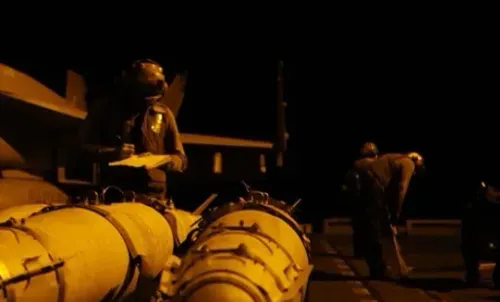
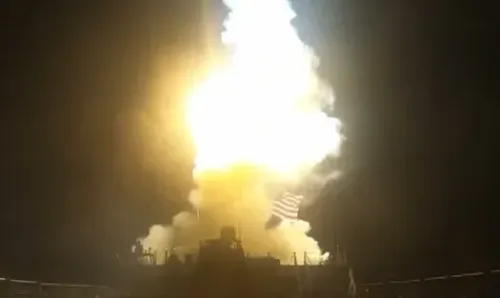
CENTCOM confirmed its seventh consecutive night of strikes on Iran, hitting surveillance, logistics, weapons storage, and maritime targets.
Iran's state media reported three killed and eight injured in the latest US strikes, with blasts in Bushehr , Hormozgan , and Yazd provinces.
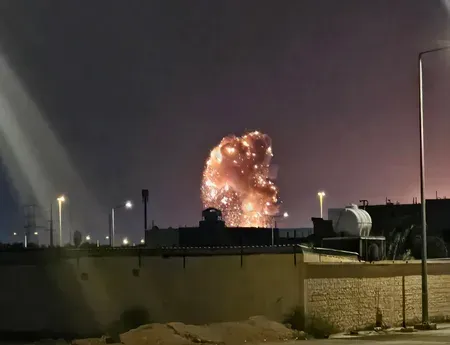
The IRGC struck the US naval fuel pier at Al Ahmadi Port, Kuwait and the US air base at Sheikh Isa, Bahrain .
Jordan downed Iranian missiles; Bahrain intercepted aerial attacks; Kuwait reported a fire at a desalination plant after an Iranian strike.
Military adviser Mohsen Rezaei warned Iran would enter an 'offensive and destructive' phase if US strikes continue for another two to three days .
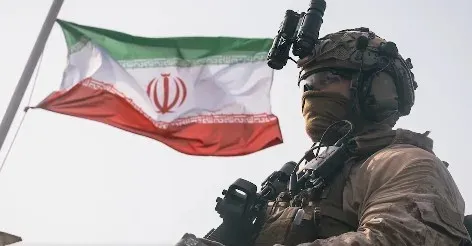
The IRGC warned countries hosting US forces to expect 'corresponding responses' if their territory is used to attack Iran.
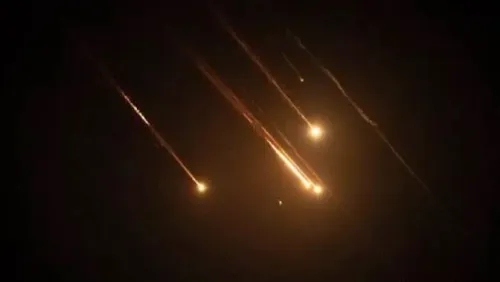
Iran launched fresh retaliatory strikes against US Gulf allies on Saturday, 18 July, hours after the US Central Command (CENTCOM) completed its seventh consecutive night of strikes on Iranian territory. The exchange marks a sharp escalation in an already volatile confrontation, with both sides now targeting military infrastructure across the wider Middle East.
CENTCOM's Seventh Night of Strikes
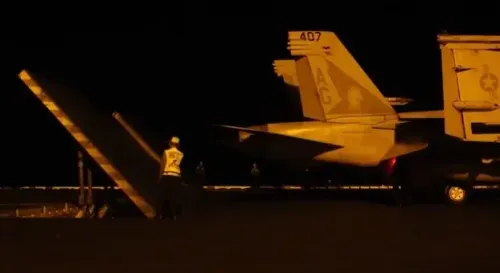
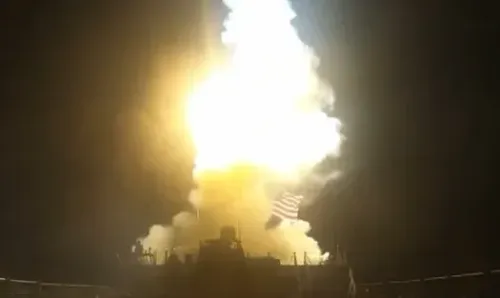
In a post on social media platform X, CENTCOM confirmed that US forces had struck surveillance sites, military logistics infrastructure, underground weapons storage facilities, and maritime capabilities inside Iran overnight into Saturday. 'More than 50,000 American service members are operating across the Middle East and remain vigilant, lethal, and ready,' the statement read.
According to Iran's state media, three people were killed and eight others injured in the latest US strikes. Explosions were reported in Bushehr province, Sirik and Qeshm counties in Hormozgan province, and five blasts were heard in Iran's central Yazd province, according to the official IRNA news agency.
Iran Strikes US Positions in Kuwait and Bahrain
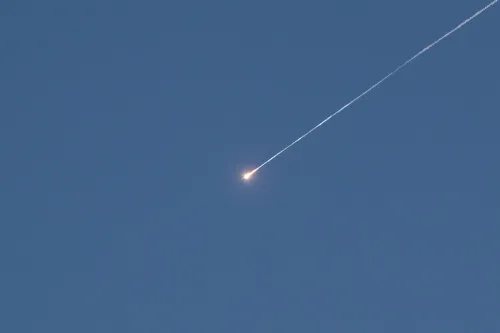
Iran's Islamic Revolutionary Guard Corps (IRGC) said it targeted the US naval fuel support pier at Al Ahmadi Port in Kuwait and the US combat aircraft site at Sheikh Isa Air Base in Bahrain. The strikes drew swift defensive responses from regional states: Jordan's air defence systems downed Iranian missiles, Bahrain intercepted several Iranian aerial attacks, and Kuwait reported a fire at a power and water desalination plant following the Iranian strike, according to local media reports.
Iran's Warning to Countries Hosting US Forces
The IRGC warned that countries hosting US military forces should expect 'corresponding responses' if their territory is used for attacks on Iran, according to Iran's semi-official Tasnim news agency. The statement effectively extends Tehran's threat perimeter beyond US assets to the sovereign territory of American allies across the region.
Iranian Foreign Ministry spokesman Esmail Baghaei wrote on X late on Friday that the Iranian people 'are now more determined and united than ever' and are fully resolved to make their enemies 'bitterly regret this criminal aggression.'
Senior Iranian Adviser Warns of Offensive Phase
Mohsen Rezaei, military adviser to Iran's Supreme Leader Mojtaba Khamenei, warned in an interview with state-run IRIB TV on Friday that if US strikes continue for another two to three days, Iran will enter an 'offensive and destructive' phase. He said the policy of 'both war and negotiation' has ended, and that Iran's armed forces will no longer limit themselves to retaliatory strikes — warning that US bases and forces will no longer be safe 'within any political borders.'
Rezaei said Iran had so far exercised restraint to prevent the conflict from expanding into a broader regional and international crisis, accusing the United States of miscalculating by turning the confrontation into a regional war. He warned that Iran could deploy additional military capabilities, including ground forces, and that the war's scope would expand if US attacks continue.
What Comes Next
With both sides now striking military infrastructure across multiple countries and senior Iranian officials explicitly threatening a shift to offensive operations, the conflict has moved well beyond bilateral strikes. The involvement of Kuwait, Bahrain, and Jordan — all US allies — signals that the regional containment strategy is under severe strain. Diplomatic channels appear effectively frozen, with Rezaei's remarks suggesting Tehran sees no near-term off-ramp.
Point of View
Not a rhetorical one. The IRGC's decision to strike US positions in Kuwait and Bahrain — sovereign US-allied states — dramatically widens the conflict's geography and puts Gulf governments in an impossible position. What is being undercovered is the pressure now on Gulf monarchies: they host US forces by treaty, yet are absorbing Iranian fire as a direct consequence. If Tehran follows through on Rezaei's 'offensive and destructive' phase warning, the question is not whether the conflict expands — it is how fast, and whether any diplomatic channel survives the next 72 hours.
NationPress
16 Oct 2026
Frequently Asked Questions
What happened in the US-Iran conflict on 18 July?
On 18 July, the US completed its seventh consecutive night of airstrikes on Iran, targeting surveillance sites, military logistics, weapons storage, and maritime infrastructure. Iran retaliated by striking US military positions in Kuwait and Bahrain, while explosions were reported across multiple Iranian provinces.
What did Iran's IRGC target in Kuwait and Bahrain?
The IRGC said it struck the US naval fuel support pier at Al Ahmadi Port in Kuwait and the US combat aircraft site at Sheikh Isa Air Base in Bahrain. Kuwait reported a fire at a power and water desalination plant following the attack.
What is Mohsen Rezaei's warning about an 'offensive phase'?
Mohsen Rezaei, military adviser to Iran's Supreme Leader Mojtaba Khamenei, warned on Friday that if US strikes continue for another two to three days, Iran will shift to an 'offensive and destructive' phase. He said Iran's armed forces would no longer limit themselves to retaliatory strikes and that US bases would not be safe within any political borders.
How many people have been killed in the latest US strikes on Iran?
According to Iran's state media, three people were killed and eight others were injured in the latest round of US strikes. These figures are based on Iranian official sources and have not been independently verified.
Which countries have been drawn into the US-Iran conflict?
Beyond Iran and the United States, the conflict now directly involves Kuwait, Bahrain, and Jordan. Jordan downed Iranian missiles with its air defence systems, Bahrain intercepted Iranian aerial attacks, and Kuwait reported infrastructure damage from an IRGC strike on 18 July.