Indian Consulate Boston issues scam alert over impersonation fraud

Synopsis
The Indian Consulate in Boston has sounded a formal alarm over a wave of impersonation scams targeting the diaspora — fraudsters spoofing official numbers, faking CBI and ED identities, and running 'digital arrest' schemes to coerce victims into handing over money or documents. The advisory draws a clear line: the Consulate will never call, threaten, or demand payment by phone.
Key Takeaways
The Consulate General of India, Boston issued a scam alert on 15 July over rising impersonation fraud targeting the Indian diaspora .
Fraudsters are spoofing official Consulate phone numbers and posing as CBI, ED, Police, and Customs officials.
Common tactics include fake claims of SIM card misuse, passport issues, hawala involvement , and threats of arrest or deportation.
The Consulate confirmed it will never demand payment, threaten legal action, or request video calls or identity documents over the phone.
All legitimate Consulate communications are made via official email only .
Victims are advised to hang up immediately and report incidents to local law enforcement and cons.boston@mea.gov.in .
The Consulate General of India in Boston has issued a public advisory on 15 July warning members of the Indian diaspora and other residents about a surge in fraudulent calls from scammers impersonating officials of Indian diplomatic missions and law enforcement agencies. The alert comes as sophisticated impersonation schemes increasingly target Indian communities overseas, with fraudsters deploying spoofed telephone numbers and fabricated legal threats to extract money or sensitive personal data.
How the Scam Works
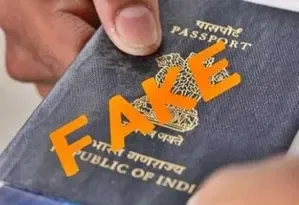
According to the Consulate, fraudsters typically open with alarming claims — that a victim's SIM card has been used for illegal activities in India, that there are problems with their passport, visa, or immigration documents, or that they are implicated in hawala or money laundering cases. These allegations are paired with threats of immediate arrest or deportation to create panic.
Scammers then use fear tactics, insisting victims remain isolated, demanding they join video calls, and pressing them to share personal, financial, or identity documents — copies of which can later be exploited for identity theft, further fraud, or blackmail.
What the Consulate Will Never Do
The Consulate was explicit about the boundaries of its legitimate operations. In its advisory, it stated that the Consulate General of India, Boston will never demand payment or financial information over the phone, threaten arrest, legal action, or deportation, ask individuals to join a video call or share identity documents for verification, or ask anyone to visit the Consulate to resolve an alleged legal matter in India.
The mission also clarified that all official communications from the Consulate are made through official email only — not by telephone or video call.
Indian Law Enforcement Agencies Do Not Call
The advisory specifically addressed impersonation of Indian law enforcement bodies, noting that genuine agencies — including the CBI, Enforcement Directorate (ED), Police, and Customs — do not make telephone or video calls regarding purported crimes in India, do not conduct so-called 'digital arrests', and do not seek money transfers via digital or cryptocurrency means.
This clarification is significant: the 'digital arrest' tactic, in which victims are kept on a continuous video call under the pretence of being under surveillance, has been flagged by Indian authorities as one of the fastest-growing cyber fraud methods targeting the diaspora.
What to Do If You Receive a Suspected Scam Call
The Consulate urged recipients of suspected fraudulent calls not to panic or comply with demands. Specific guidance included: do not share any personal, financial, or identity information; do not join video calls; do not make any payment; and hang up immediately. Incidents should be reported to local law enforcement and to the Consulate directly at cons.boston@mea.gov.in.
As impersonation scams targeting Indian communities abroad grow in scale and sophistication, the Consulate's advisory is a timely reminder that official bodies will never demand compliance over a phone call — and that verification through official email channels remains the only safe route.
Point of View
Accelerating threat: Indian diaspora communities in the US have become prime targets for organised cyber fraud rings that exploit both cultural deference to authority and unfamiliarity with overseas legal norms. The 'digital arrest' tactic is particularly insidious — it borrows the aesthetics of official procedure to manufacture compliance. What is missing from most such advisories, including this one, is actionable data: how many victims, how much lost, and whether any perpetrators have been prosecuted. Without that accountability loop, advisories risk being reactive gestures rather than systemic deterrents.
NationPress
13 Oct 2026
Frequently Asked Questions
What is the Indian Consulate Boston scam alert about?
The Consulate General of India in Boston issued an advisory on 15 July warning the Indian diaspora about fraudsters impersonating Indian embassy officials and law enforcement agencies such as the CBI and ED. Scammers use spoofed phone numbers and fake legal threats to pressure victims into sharing personal data or transferring money.
What tactics do these scammers typically use?
Fraudsters claim a victim's SIM card was used for illegal activity in India, allege passport or visa problems, or accuse them of hawala or money laundering. They use fear tactics — demanding immediate action, insisting victims stay isolated, and forcing them onto video calls — to extract documents, financial information, or payments.
Will the Indian Consulate ever call to demand payment or threaten arrest?
No. The Consulate General of India, Boston, has confirmed it will never demand payment or financial information over the phone, threaten arrest or deportation, ask for identity documents via video call, or ask individuals to visit the Consulate to resolve a legal matter in India. All official communications are made through official email only.
Do Indian law enforcement agencies like CBI or ED conduct phone or video investigations?
No. According to the advisory, genuine Indian law enforcement agencies — including the CBI, ED, Police, and Customs — do not make telephone or video calls regarding purported crimes in India, do not conduct 'digital arrests', and do not seek money transfers via digital or cryptocurrency means.
What should I do if I receive a suspected scam call?
Hang up immediately. Do not share any personal, financial, or identity information, do not join a video call, and do not make any payment. Report the incident to local law enforcement and contact the Consulate at cons.boston@mea.gov.in.