Giriraj Singh Greets Youth on World Skills Day
Synopsis
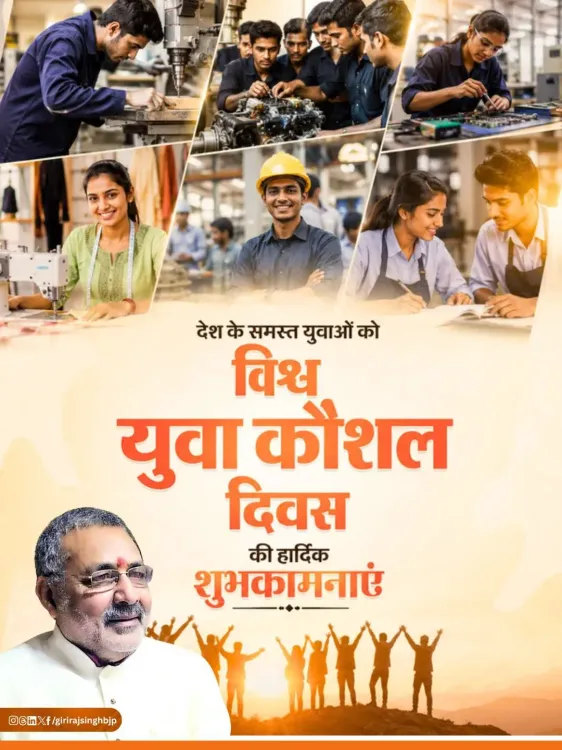
Union Textiles Minister Giriraj Singh marked World Youth Skills Day on 15 July 2026 by calling skilled youth the strongest foundation of Atmanirbhar Bharat and pledging to sharpen young India's capabilities under the Skill India Mission.
Key Takeaways
Union Textiles Minister Giriraj Singh posted greetings on World Youth Skills Day, 15 July 2026 .
He described youth skills and capability as the 'strongest foundation' for building Atmanirbhar Bharat .
World Youth Skills Day was established by the UN General Assembly in 2014 and is observed every 15 July .
The Skill India Mission , launched in 2015 , targets training over 400 million Indians in vocational skills.
The Atmanirbhar Bharat package ( May 2020 ) explicitly linked a skilled workforce to domestic manufacturing and self-reliance.
The textiles sector, under Singh's ministry, is among India's largest employers and has a direct stake in skilling outcomes.
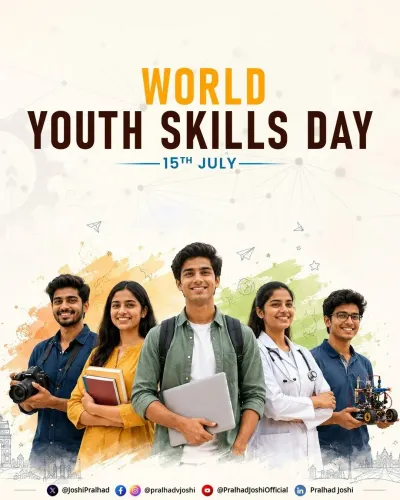
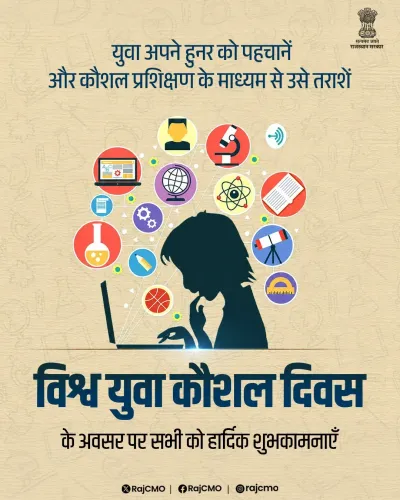
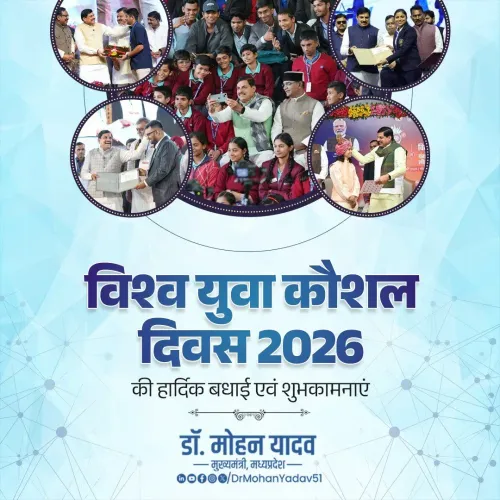
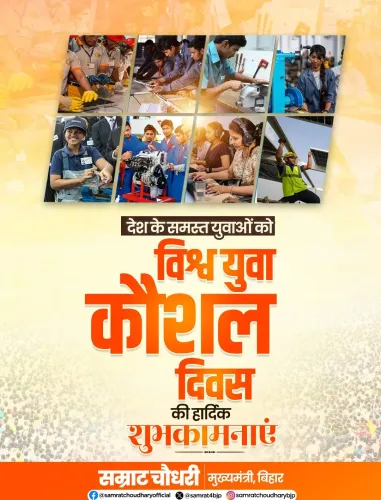
Union Textiles Minister Giriraj Singh on Wednesday, 15 July 2026 extended greetings to India's youth on World Youth Skills Day, calling skilled young people the 'strongest foundation' of an Atmanirbhar Bharat (self-reliant India) and urging a collective pledge to sharpen their capabilities for building a new India.
Context
Posting in Hindi on 15 July — the date the United Nations has designated as World Youth Skills Day since 2014 — Singh wrote: 'युवाओं का कौशल और उनकी क्षमता ही आत्मनिर्भर भारत के निर्माण की सबसे मजबूत नींव है' ['The skills and capability of youth are the strongest foundation for building a self-reliant India']. He called on all stakeholders to make young people 'hunarmand' (skilled) and to refine their talents in service of a 'New India'.
The UN General Assembly established World Youth Skills Day through a resolution in 2014 to draw attention annually to the importance of equipping young people with skills for employment and entrepreneurship. The observance falls each year on 15 July.
Policy Backdrop
Singh's remarks align with two major government frameworks. The Skill India Mission, launched in 2015, set an ambitious target of training over 400 million Indians in industry-relevant vocational and technical skills. The mission has been progressively integrated with manufacturing and export-linked programmes across multiple ministries.
The Atmanirbhar Bharat package, announced in May 2020, explicitly linked skilling to domestic production and self-reliance, positioning a trained workforce as essential to reducing import dependence. The Ministry of Textiles — Singh's portfolio — is among the sector ministries with a direct stake in a skilled labour pipeline, given the industry's role as one of India's largest employers.
Stakeholders and Impact
India's demographic profile gives the skilling agenda particular urgency: the country has one of the world's largest youth populations, and successive governments have described this as a 'demographic dividend' that must be converted into productive employment. Vocational trainees, school leavers, and rural youth seeking non-farm livelihoods are the primary beneficiaries of skill-linked schemes.
The textiles sector, which employs tens of millions of workers — a significant share of them women — is directly tied to skilling outcomes. Upgraded craft and technical skills feed into both domestic consumption and export competitiveness in segments such as apparel, handicrafts, and technical textiles.
What's Next
Policy watchers will track whether World Youth Skills Day 2026 announcements translate into fresh memoranda of understanding between the Ministry of Skill Development and sector ministries, including Textiles. Skill-linked incentives in the next Union Budget and updates to training targets under the Skill India Mission will be key indicators of follow-through on the broader self-reliance agenda Singh invoked in his message.
Point of View
But it signals the ruling dispensation's continued effort to anchor the skilling narrative within the Atmanirbhar Bharat brand rather than treating it as a standalone welfare measure. By invoking both youth potential and national self-reliance in the same breath, the message reinforces a political economy argument: that demographic dividend and manufacturing ambition are inseparable. For the Textiles Ministry specifically, the subtext is pointed — a skilled textile workforce is central to India's export competitiveness at a moment when global supply chains are being reconfigured. Whether the rhetoric translates into new inter-ministerial skilling agreements or budget allocations will determine its policy weight.
NationPress
13 Oct 2026
Frequently Asked Questions
What is World Youth Skills Day and when is it observed?
World Youth Skills Day is a UN-designated annual observance held on 15 July every year, established by the UN General Assembly in 2014 to highlight the importance of equipping young people with skills for employment and entrepreneurship.
What did Giriraj Singh say on World Youth Skills Day 2026?
Giriraj Singh extended greetings to India's youth and said that the skills and capability of young people are the 'strongest foundation' for building an Atmanirbhar Bharat , calling on all to pledge to make youth skilled and refine their talents for a New India.
What is the Skill India Mission?
The Skill India Mission is a national skilling programme launched in 2015 with the goal of training over 400 million Indians in industry-relevant vocational and technical skills to boost employment and economic productivity.
What is Atmanirbhar Bharat and how does it relate to skilling?
Atmanirbhar Bharat is a self-reliance initiative announced in May 2020 that linked a skilled domestic workforce to reduced import dependence and stronger domestic manufacturing, making youth skilling a pillar of the broader economic strategy.
Why is skilling important for India's textiles sector?
The textiles sector is one of India's largest employers, and upgraded craft and technical skills directly improve both domestic output and export competitiveness in segments such as apparel, handicrafts, and technical textiles — areas overseen by the Ministry of Textiles .