Balaghat ₹225 crore package: CM Yadav bets on development for 100 ex-Naxal villages
Synopsis
Madhya Pradesh CM Mohan Yadav's ₹225 crore package for 100 former Naxal-hit villages in Balaghat is more than a welfare announcement — it is the state's most explicit bet yet that economic integration, not just security operations, is the endgame in Left Wing Extremism country. His first-ever chief ministerial visit to Bondari and Korka villages put that intent on the record.
Key Takeaways
MP CM Mohan Yadav announced a ₹225 crore development package on 29 August for 100 villages in Balaghat district .
The package covers roads, electricity, drinking water, housing, healthcare and education , alongside agriculture and rural enterprise promotion.
Yadav visited Bondari and Korka — described as the first chief ministerial visit to these former Naxal-affected villages.
Special focus on the Baiga tribal community , linking traditional knowledge, art and culture to livelihoods and markets.
Ten departments including Tribal Affairs, Agriculture and Tourism will jointly implement the scheme.
The government also plans to expand MSMEs, skill development and women's self-help groups in the region.
Madhya Pradesh Chief Minister Mohan Yadav on Saturday, 29 August announced a ₹225 crore development package for 100 villages in Balaghat district — areas that were once under Naxal influence — signalling a deliberate shift from security-led operations to economic rehabilitation. The package prioritises jobs, livelihoods, and basic amenities for some of the state's most historically underserved communities.
A Chief Minister's First Visit to Former Naxal Villages
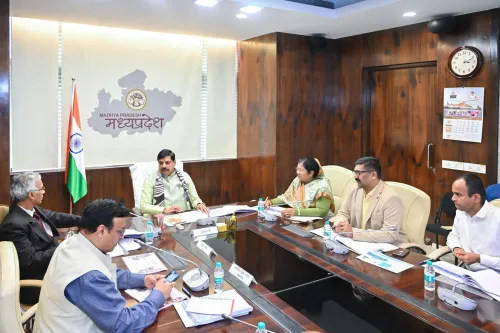
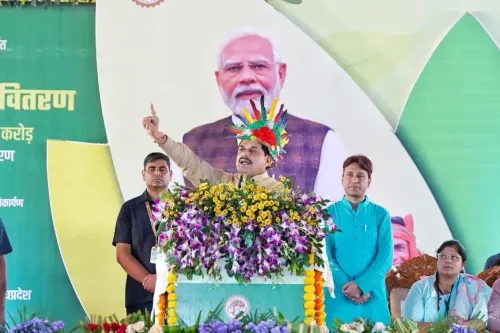
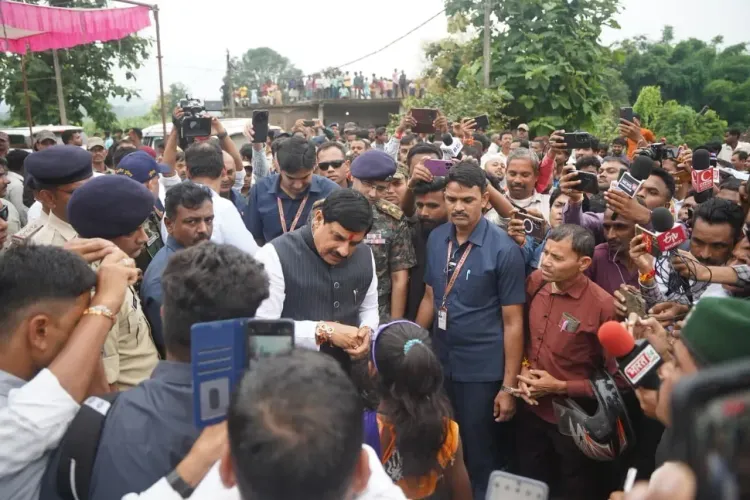
Yadav made the announcement during a visit to the remote Bondari village, where he sat with residents — including members of the Baiga tribal community — and heard their concerns directly. He also visited Korka, which the government described as the first time a chief minister had visited either village to engage with residents in person. The symbolism was deliberate: development, the administration indicated, would now follow security gains rather than precede them.
What the ₹225 Crore Package Covers
The package spans both hard and soft infrastructure. On the physical side, it will strengthen roads, electricity, drinking water, housing, healthcare and education across the targeted villages. On the economic side, it will promote agriculture, dairy, animal husbandry, fisheries, horticulture and food processing to raise rural incomes.
Multiple departments — including Panchayat and Rural Development, Energy, Education, Industries, Agriculture, Animal Husbandry, Health, Tribal Affairs and Tourism — will jointly execute the works. Micro, Small and Medium Enterprises (MSMEs), village industries, skill development programmes, and women's self-help groups are also part of the employment strategy.
What the Government Said
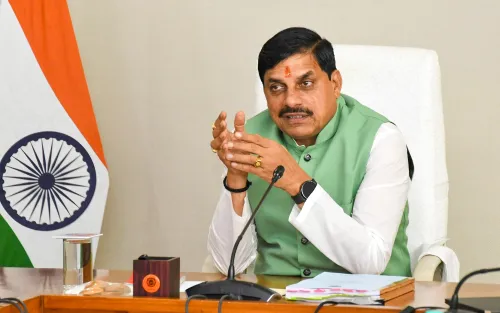
'The government is firmly committed to the principle of development with security and employment with development,' Yadav said, directing officials to ensure government schemes and essential services reached villagers effectively. He added: 'Our goal is not merely to build roads, but to connect roads with markets, villages with employment and youth with opportunities.'
Yadav gave particular emphasis to the Baiga community, saying its traditional knowledge, art, culture and local products would be linked with livelihoods and markets. 'The objective is to bring the Baiga community into the mainstream of development with dignity, respect, rights and opportunities,' he said.
Balaghat's Broader Potential
The Chief Minister noted that a Naxal-free Balaghat was itself an achievement, but argued the next challenge was transforming the district into a prosperous, self-reliant region. He pointed to Balaghat's natural wealth and tribal heritage as assets for tourism, eco-tourism and tribal tourism — sectors that could supplement agricultural incomes if properly developed.
Notably, discussions during the village interaction covered a wide range of issues: animal husbandry, housing, nutritious food awareness, healthcare, education, employment and coordination with the Forest Department — reflecting the multi-dimensional nature of deprivation in these communities.
Political and Social Context
Before the formal programme, women beneficiaries of the Ladli Behna scheme from Balaghat tied rakhis to Yadav and offered him sweets, underscoring the government's effort to build visible social connect in the region. This comes amid a broader national push to consolidate gains in Left Wing Extremism-affected areas through development spending, a strategy the Centre has also pursued in Chhattisgarh and Jharkhand. Whether the ₹225 crore outlay translates into measurable outcomes will depend on inter-departmental coordination and last-mile delivery — long-standing challenges in remote tribal belts.
Point of View
Execution risk is real. The Baiga community, one of India's most marginalised Particularly Vulnerable Tribal Groups, has seen promises before; the test is whether market linkages and skill programmes actually reach them, or remain on paper. CM Yadav's personal visit raises the political stakes — and the accountability bar.
NationPress
29 Aug 2026
Frequently Asked Questions
What is the ₹225 crore package announced for Balaghat?
It is a comprehensive development scheme announced by Madhya Pradesh Chief Minister Mohan Yadav on 29 August for 100 villages in Balaghat district that were previously affected by Naxalism. The package covers physical infrastructure — roads, electricity, drinking water, housing, healthcare and education — as well as economic initiatives including agriculture, dairy, MSMEs, skill development and women's self-help groups.
Why did CM Mohan Yadav visit Bondari and Korka villages?
Yadav visited Bondari and Korka to directly interact with residents, including members of the Baiga tribal community, and hear their concerns. The government described it as the first visit by a chief minister to these two former Naxal-affected villages, marking a symbolic shift toward development-led engagement in the region.
Which communities will benefit from the Balaghat development package?
The package primarily targets residents of 100 former Naxal-affected villages in Balaghat, with special emphasis on the Baiga tribal community. Women and youth are also key focus groups, with self-help groups and skill development programmes specifically designed to bring them into economic activity.
Which government departments are involved in implementing the scheme?
Ten departments will jointly implement the package: Panchayat and Rural Development, Energy, Education, Industries, Agriculture, Animal Husbandry, Health, Tribal Affairs, Tourism, and the Forest Department. The multi-departmental approach is intended to address the full spectrum of development needs in these remote villages.
What is the significance of Balaghat being declared Naxal-free?
A Naxal-free Balaghat means security forces have largely cleared the district of Left Wing Extremist activity, enabling civilian administration to operate freely. CM Yadav called this an achievement, but noted the next challenge is converting that security gain into economic prosperity — hence the ₹225 crore investment in infrastructure, livelihoods and tribal welfare.