CPEC under threat: TTP, BLA militant surge endangers Chinese projects

Synopsis
Pakistan's dual militant threat — TTP in the north and BLA in the southwest — is closing in on CPEC's most critical arteries. With $1.8 billion in Karakoram Highway financing under discussion and Chinese miners facing escalating attacks in Balochistan, Beijing's flagship Belt and Road project faces its most serious ground-level security test yet.
Key Takeaways
The TTP is expanding around Gilgit-Baltistan and the Malakand region , threatening CPEC's northern corridor.
China and Pakistan are negotiating $1.8 billion in financing for the Karakoram Highway's Thakot-Raikot realignment, already delayed by security concerns.
The BLA has intensified attacks in Chagai district , disrupting operations of China's MCC at the Saindak Copper and Gold Mine .
At Gwadar , the BLA has used weaponised commercial drones against Pakistan Coast Guard assets — a new escalation in militant tactics.
Additional networks including ETIM , Jamaat-ul-Ahrar , and Islamic State Khorasan Province further compound security risks across the CPEC corridor.
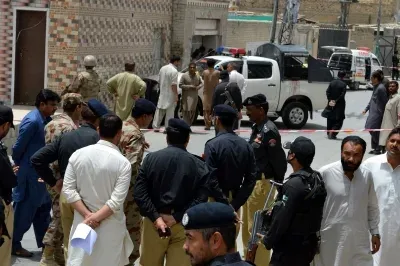
Rising militant violence across Pakistan's northern and southwestern regions is posing an escalating security threat to China's economic interests and planned projects under the China-Pakistan Economic Corridor (CPEC), according to a report by The Diplomat. As CPEC enters its second phase, the dual pressure from the Tehreek-e-Taliban Pakistan (TTP) in the north and the Baloch Liberation Army (BLA) in the southwest is threatening to derail what Beijing and Islamabad have billed as a transformative economic partnership.
TTP Tightens Grip on Northern Corridor
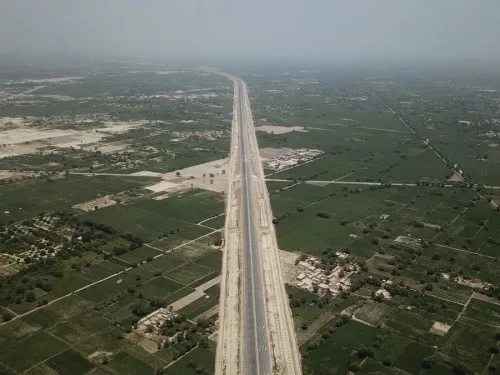
In northern Pakistan, the TTP has been expanding its footprint in areas around Gilgit-Baltistan and the Malakand region — both strategically critical to CPEC's overland route. Of particular concern is the growing militant presence around the Karakoram Highway, the arterial road linking China's Xinjiang province to the Arabian Sea. China and Pakistan are currently in discussions over $1.8 billion in financing for the realignment of the highway's Thakot-Raikot section, a project that has already faced repeated delays due to economic and security concerns.
BLA Escalates Attacks in Balochistan
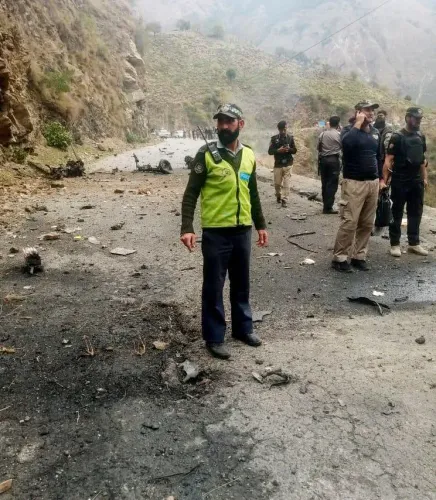
In Balochistan, the BLA has intensified attacks, particularly in Chagai district, creating serious security and logistical challenges for the Metallurgical Corporation of China (MCC), which operates mining activities at the Saindak Copper and Gold Mine. The BLA has a documented pattern of targeting Chinese nationals and economic assets in the province. Security concerns along the N40 highway have further disrupted supply chains supporting those mining operations, according to the report.
Gwadar Faces New Drone Threat
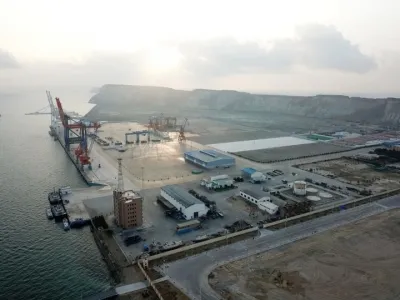
At Gwadar — CPEC's southern terminus on the Arabian Sea — the BLA has reportedly demonstrated new operational capabilities, including attacks on Pakistan Coast Guard assets and the deployment of weaponised commercial drones. This marks a qualitative escalation in militant tactics at a port city that sits at the heart of China's strategic maritime ambitions in the region.
Wider Militant Network Compounds the Risk
The threat is not limited to the TTP and BLA alone. According to the report, other militant networks active in the wider region — including the East Turkistan Islamic Movement (ETIM), Jamaat-ul-Ahrar, and the Islamic State Khorasan Province — compound the security challenge for both Beijing and Islamabad. The simultaneous expansion of these networks across regions critical to CPEC infrastructure underscores what analysts describe as a deepening structural vulnerability.
What This Means for CPEC's Second Phase
The deteriorating security environment could disrupt planned CPEC projects and broader China-Pakistan economic cooperation, adding further strain to Pakistan's already fragile economy. CPEC, which connects Xinjiang with the Arabian Sea through the strategically vital Gilgit-Baltistan corridor before terminating at Gwadar, has long been touted as a game-changer for Pakistan's infrastructure and energy sectors. Whether the second phase can proceed on schedule now depends, in no small part, on whether Islamabad can contain a militant threat that is growing in both scale and sophistication.
Point of View
But the simultaneity of TTP pressure in the north and BLA escalation in Balochistan marks a qualitative shift. What is often missed in coverage is that these are not isolated incidents — they represent coordinated pressure on the corridor's two most vulnerable flanks. For Beijing, the reputational and financial stakes are high: a stalled second phase would signal that the Belt and Road Initiative's flagship project cannot be secured even with a treaty ally. For Islamabad, the bind is existential — it needs Chinese investment to stabilise its economy, yet cannot guarantee the conditions that investment requires. The drone attacks at Gwadar deserve particular attention; they suggest the BLA is acquiring capabilities that conventional security deployments are not designed to counter.
NationPress
29 Aug 2026
Frequently Asked Questions
What is CPEC and why is it under threat?
The China-Pakistan Economic Corridor (CPEC) is a multi-billion dollar infrastructure and energy network connecting China's Xinjiang province to Pakistan's Gwadar port on the Arabian Sea. It is currently under threat from escalating militant attacks by the TTP in northern Pakistan and the BLA in Balochistan, both of which are targeting key infrastructure, personnel, and supply routes critical to the corridor's second phase.
How is the TTP threatening CPEC in northern Pakistan?
The TTP has been expanding its presence around Gilgit-Baltistan and the Malakand region, areas through which the Karakoram Highway — CPEC's primary overland artery — passes. The growing militant footprint has already contributed to delays in the proposed $1.8 billion realignment of the highway's Thakot-Raikot section, which China and Pakistan are still negotiating.
What attacks has the BLA carried out against Chinese interests in Balochistan?
The BLA has targeted Chinese nationals and economic assets in Balochistan, with recent attacks concentrated in Chagai district. These have disrupted operations of the Metallurgical Corporation of China (MCC) at the Saindak Copper and Gold Mine and raised concerns over supply chain security along the N40 highway. At Gwadar, the BLA has also deployed weaponised commercial drones against Pakistan Coast Guard assets.
Which other militant groups pose a risk to CPEC?
Beyond the TTP and BLA, the East Turkistan Islamic Movement (ETIM), Jamaat-ul-Ahrar, and the Islamic State Khorasan Province are also active in the wider region. Their simultaneous expansion across areas critical to CPEC infrastructure compounds the security challenge for both Beijing and Islamabad.
What is the broader economic impact of the security deterioration on Pakistan?
The worsening security environment risks disrupting planned CPEC projects and wider China-Pakistan economic cooperation at a time when Pakistan's economy is already fragile. A stalled second phase would remove a key source of infrastructure investment and could further strain Islamabad's finances and its relationship with Beijing.