BLA-TTP alliance targets CPEC, declares war on Pakistan and Chinese investment

Synopsis
The BLA and TTP have formally aligned against Pakistan and CPEC — demanding profit-sharing from Chinese investors and planning simultaneous strikes across Balochistan and KP. Pakistan's counter-move, stitching together LeT, JeM, and ISKP, faces a fundamental problem: no local support. The stakes extend far beyond Pakistan's internal security — Beijing's trillion-dollar corridor is now a declared target.
Key Takeaways
The BLA , TTP , Hafiz Gul Bahadur faction, and BLF have formed a coordinated militant front as of 18 July .
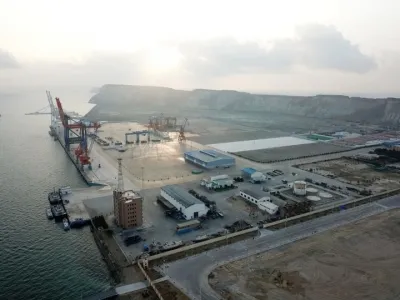
The alliance's declared objective is to target CPEC and Chinese economic interests in Balochistan and KP .
Militant groups have reportedly begun demanding a share of CPEC project profits from Chinese investors in exchange for safety guarantees.
The Pakistan Army has counter-assembled Lashkar-e-Taiba , Jaish-e-Mohammed , and ISKP to oppose the BLA-TTP coalition.
Observers say the army's counter-alliance is disadvantaged by a lack of local support, poor intelligence penetration, and unfamiliarity with terrain.
Simultaneous coordinated attacks across both regions are expected imminently, designed to stretch Pakistan's security apparatus.
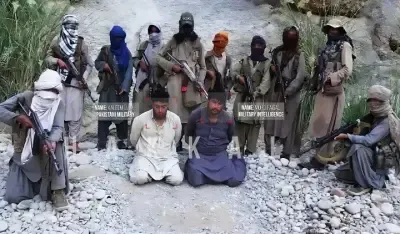
The Balochistan Liberation Army (BLA) and the Tehreek-e-Taliban Pakistan (TTP) have forged a coordinated militant front, declaring all-out war against Pakistan, its security proxies, and Chinese investment in the region — most critically the China-Pakistan Economic Corridor (CPEC), according to security officials. The development, reported on 18 July, signals a sharp escalation in violence expected across Balochistan and Khyber Pakhtunkhwa (KP) in the coming days.
The Emerging Alliance
According to security sources, the BLA, the TTP, the TTP faction led by Hafiz Gul Bahadur, and the Balochistan Liberation Front (BLF) have agreed to operate as a unified front. The alliance is not merely directed at the Pakistan Army but explicitly targets Chinese economic interests embedded in the CPEC project. An Intelligence Bureau official said the core objective of this new coalition is to wrest control over the CPEC and the natural resources of Balochistan and KP.
This consolidation comes in direct response to a counter-arrangement reportedly assembled by the Pakistan Army, which has brought together Lashkar-e-Taiba (LeT), Jaish-e-Mohammed (JeM), and the Islamic State Khorasan Province (ISKP) to counter the BLA in Balochistan and the TTP in KP, officials said.
CPEC Under Direct Threat
Reports indicate that militant groups in Balochistan have begun demanding a share of project profits from Chinese investors in exchange for guaranteeing the safety of their personnel and assets. Officials quoted groups as warning that Chinese firms should scale back their involvement in the region unless assurances are given that a portion of profits would be directed toward the welfare and development of the Baloch people.
The Baloch people have long protested the CPEC project, arguing it primarily benefits Pakistan's large urban centres while leaving local communities excluded from its economic gains. They have accused the Pakistani establishment of extracting Balochistan's resources without equitable redistribution. The BLA, in particular, has fought against this arrangement for years and has emerged, according to officials, as Pakistan's most formidable internal security challenge.
Pakistan's Counter-Strategy and Its Weaknesses
China has repeatedly pressed Islamabad to secure CPEC infrastructure and protect its nationals. Beijing had even offered to deploy its own military personnel in Balochistan to guard the corridor, but Islamabad reportedly declined, requesting more time and assuring Beijing that Pakistani forces were sufficient.
Pakistan observers, however, argue that the army's counter-alliance — built around LeT, JeM, and ISKP — faces structural disadvantages. Chief among them is the absence of local support: both the BLA and TTP command significant grassroots backing in their respective regions, while outfits such as LeT and JeM are widely perceived as instruments of the Pakistani establishment. Intelligence gathering and terrain familiarity further tilt the operational advantage toward the BLA-TTP coalition, officials noted.
Coordinated Strikes Designed to Stretch Security Forces
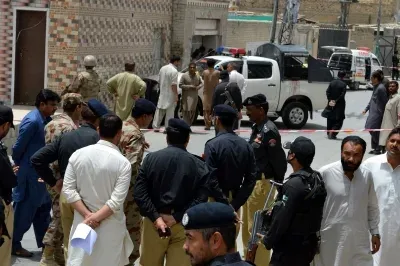
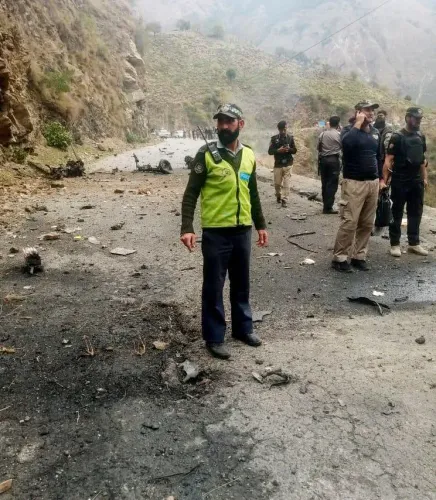
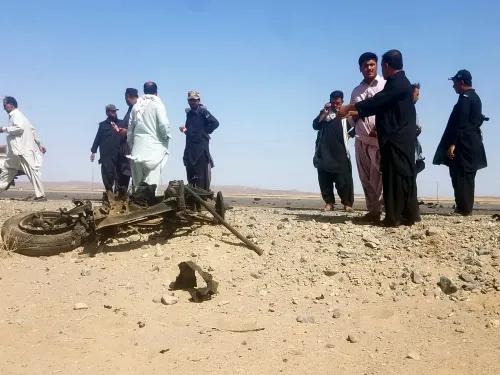
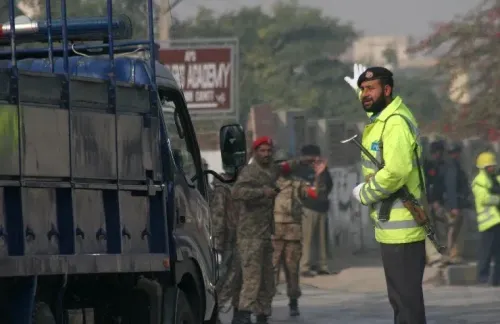
The emerging alliance has reportedly agreed on a strategy of simultaneous attacks across Balochistan and KP, designed to force the Pakistan Army to respond on multiple fronts at once. Officials said such coordinated strikes are intended to strain the military's resources and push it into a defensive posture, making it harder to concentrate force in any single theatre.
Officials warned that the security situation in both regions is likely to deteriorate further in the near term. This is the most significant realignment of militant forces in the region in recent memory, and its implications for CPEC — already a geopolitical flashpoint — could reverberate well beyond Pakistan's borders.
Point of View
JeM, and ISKP is a high-risk gamble that conflates counterterrorism with proxy management — and history suggests it rarely ends cleanly. The deeper problem is structural: Islamabad cannot resolve Baloch grievances through force when those grievances are rooted in decades of resource extraction without local benefit. Beijing, watching its CPEC investment come under direct extortion pressure, will not accept 'give us time' indefinitely. The real question is whether China's patience outlasts Pakistan's capacity to contain a front it may have helped inadvertently consolidate.
NationPress
16 Oct 2026
Frequently Asked Questions
What is the BLA-TTP alliance and what has it declared?
The BLA-TTP alliance is a coordinated militant front comprising the Balochistan Liberation Army, the Tehreek-e-Taliban Pakistan, the Hafiz Gul Bahadur faction, and the Balochistan Liberation Front. Formed as of 18 July, the alliance has declared all-out war against Pakistan, its security proxies, and Chinese investment in the region, specifically targeting the China-Pakistan Economic Corridor (CPEC).
Why is CPEC being targeted by the BLA-TTP alliance?
The alliance views CPEC as a vehicle for Pakistani and Chinese exploitation of Balochistan's resources without benefit to local communities. Baloch groups have long argued that profits from the corridor flow to Pakistan's large cities while the Baloch people remain marginalised. Militant groups have reportedly begun demanding a share of project profits from Chinese investors as a condition for guaranteeing their safety.
What counter-alliance has Pakistan assembled?
According to security sources, the Pakistan Army has brought together Lashkar-e-Taiba, Jaish-e-Mohammed, and the Islamic State Khorasan Province (ISKP) in a coordinated arrangement to counter the BLA in Balochistan and the TTP in Khyber Pakhtunkhwa. Observers argue this grouping is structurally weaker due to its lack of local support and poor terrain familiarity.
What attacks are expected in Balochistan and Khyber Pakhtunkhwa?
Officials warn that simultaneous coordinated attacks across Balochistan and KP are imminent. The strategy, reportedly agreed upon by the alliance, is designed to force Pakistan's security forces to respond on multiple fronts at once, straining military resources and pushing the army into a defensive posture.
How has China responded to threats against CPEC?
China has repeatedly warned Pakistan to secure CPEC infrastructure and protect Chinese nationals. Beijing reportedly offered to deploy its own military personnel in Balochistan to guard the corridor, but Islamabad declined, requesting more time and assuring Beijing that Pakistani forces were adequate. China has not publicly commented on the latest militant alliance reports.