Shivraj hails Vikram-1 launch as India's private space milestone
Synopsis
Union Agriculture Minister Shivraj Singh Chouhan congratulated Skyroot Aerospace on 18 July 2026 after Vikram-1, India's first private orbital launch vehicle, was successfully launched — a milestone rooted in the government's 2020 space-sector liberalisation and Atmanirbhar Bharat policy push.
Key Takeaways
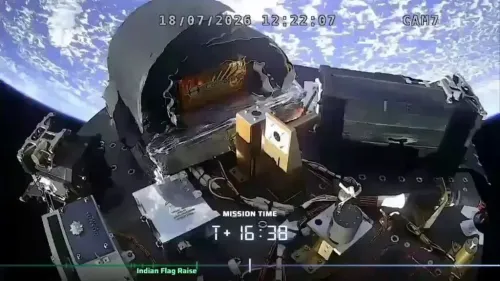
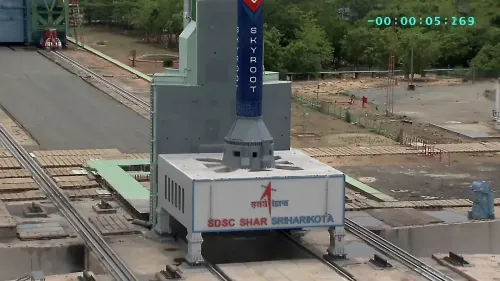
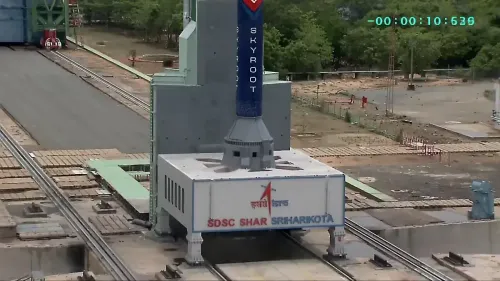
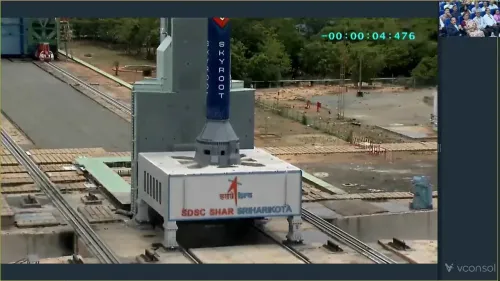
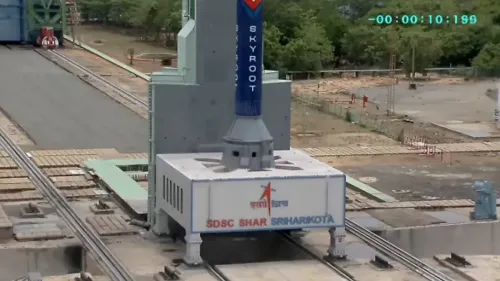
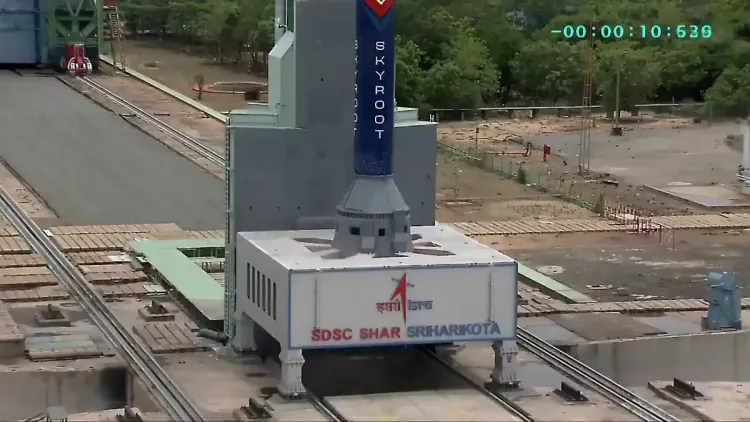
Vikram-1 , developed by Skyroot Aerospace , has been successfully launched as India's first privately built orbital launch vehicle.
Union Minister Shivraj Singh Chouhan hailed the achievement on 18 July 2026 as 'a moment of immense pride for us all.' The milestone is a direct outcome of June 2020 government reforms opening India's space sector to private participation and FDI.
IN-SPACe , created in 2020, served as the regulatory authority enabling Skyroot's launch operations.
The success paves the way for Vikram-2 and Vikram-3 , Skyroot's heavier follow-on rockets, and is expected to attract fresh commercial and investor interest.
Union Agriculture Minister Shivraj Singh Chouhan on Saturday, 18 July 2026 congratulated Skyroot Aerospace on the successful launch of Vikram-1, describing it as 'a moment of immense pride for us all' as India's first private launch vehicle reached orbit. Chouhan extended his best wishes to the team of scientists and engineers behind what he called a 'remarkable achievement.'
Context
Vikram-1, developed by Hyderabad-based Skyroot Aerospace, is billed as India's first privately developed orbital launch vehicle. Chouhan posted on X, stating: 'A moment of immense pride for us all as India's first private launch vehicle, Vikram-1, developed by Skyroot Aerospace, has been successfully launched. Kudos to the entire team of scientists, engineers, and everyone involved in this remarkable achievement.'
The launch marks a significant inflection point for India's commercial space sector, which has been gradually opening to private players over the past several years. Skyroot had previously conducted sub-orbital test flights with its smaller Vikram-S rocket, building toward this orbital milestone.
Policy Backdrop
The Vikram-1 success is a direct product of the June 2020 policy reforms by the Government of India that opened the space sector to private participation and foreign direct investment. Those reforms also led to the creation of IN-SPACe (Indian National Space Promotion and Authorisation Centre) as the nodal regulatory body for non-government space activities.
Under the Atmanirbhar Bharat framework, successive administrations have pushed to reduce ISRO's monopoly on launch operations and position private Indian firms as credible players in the global small-satellite launch market. Vikram-1's success is seen as validation of that policy architecture, with IN-SPACe authorising and supporting the mission.
Stakeholders and Impact
For Skyroot Aerospace, a startup founded in Hyderabad, the successful orbital launch opens the door to commercial contracts from domestic and international satellite operators seeking cost-competitive rideshare options. India's private space ecosystem — including other startups working on launch vehicles and satellite services — stands to benefit from the credibility this milestone lends the sector.
ISRO scientists and engineers, who have provided technical guidance and infrastructure access to private players under the reformed policy regime, are also stakeholders in this outcome. The achievement strengthens India's pitch to capture a larger share of the global space economy, which analysts have valued in the hundreds of billions of dollars over the coming decade.
What's Next
Attention will now turn to Skyroot's follow-on vehicles — Vikram-2 and Vikram-3 — which are designed to carry progressively heavier payloads. Regulatory watchers will also track whether IN-SPACe moves to streamline licensing rules or whether the Union Budget allocates fresh support for private launch infrastructure. A successful Vikram-1 mission is likely to accelerate investor interest and government backing for India's broader private space ambitions.
Point of View
While ceremonial in tone, carries political weight: it signals that the ruling establishment views private space success as a collective national achievement worth amplifying across ministries, not just a technology-sector story. The Vikram-1 launch validates the 2020 space-sector liberalisation that the current government championed, giving it a tangible win under the Atmanirbhar Bharat banner ahead of any future electoral narrative. The involvement of a Hyderabad-based startup also underscores how India's deep-tech ecosystem has matured beyond traditional public-sector R&D. Sustained policy follow-through — on licensing, infrastructure access, and budget support — will determine whether this milestone translates into a durable commercial launch industry.
NationPress
17 Oct 2026
Frequently Asked Questions
What is Vikram-1 and who made it?
Vikram-1 is India's first privately developed orbital launch vehicle, built by Hyderabad-based startup Skyroot Aerospace. It is part of the Vikram series of small satellite launch vehicles designed to offer commercial rideshare services.
When was Vikram-1 launched?
Vikram-1 was successfully launched on 18 July 2026, according to Union Minister Shivraj Singh Chouhan's post on X celebrating the achievement.
What is Skyroot Aerospace?
Skyroot Aerospace is a Hyderabad-based Indian private space startup founded to develop small satellite launch vehicles. It previously conducted a sub-orbital test with its Vikram-S rocket before achieving the Vikram-1 orbital launch.
How did India's government enable private space launches?
In June 2020, the Government of India opened the space sector to private participation and FDI, and created IN-SPACe as the nodal agency to authorise and support non-government space activities, enabling companies like Skyroot to develop and launch their own rockets.
What comes after Vikram-1 for Skyroot Aerospace?
Skyroot Aerospace is developing Vikram-2 and Vikram-3, which are designed to carry progressively heavier payloads into orbit, expanding the company's commercial launch capabilities.