Is CPEC at Risk Amid Pakistan's Struggles for Funding, Security, and Deadlines?
Synopsis
As Beijing loses patience with Islamabad over the stalled China-Pakistan Economic Corridor (CPEC), Pakistan faces significant challenges in funding, security, and project completion. The Balochistan Nationalist Army (BLA) and Tehreek-e-Taliban Pakistan (TTP) threaten investments, while China's demands grow more urgent.
Key Takeaways
China's patience with Pakistan is waning.
Security threats from BLA and TTP are escalating.
Funding issues hinder CPEC's progress.
Local communities express dissatisfaction with resource exploitation.
Future funding from China will depend on transparency.
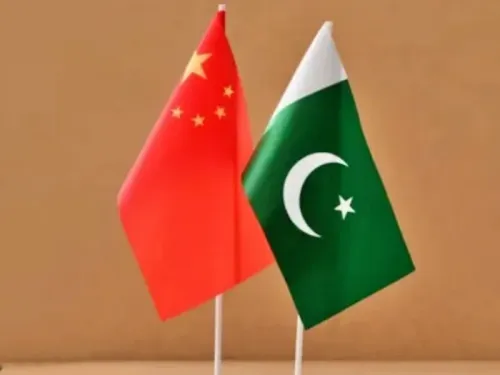
New Delhi, Jan 6 (NationPress) Beijing seems to be losing patience with Islamabad, showing its dissatisfaction regarding the advancements made on the China-Pakistan Economic Corridor (CPEC).
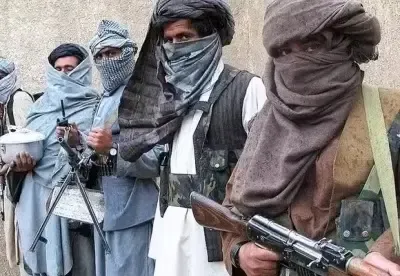
Pakistan is facing intense pressure to fulfill its obligations concerning the CPEC for several reasons. It has struggled to generate sufficient funding for the project's completion, while simultaneously battling groups like the Balochistan Nationalist Army (BLA) and Tehreek-e-Taliban Pakistan (TTP), both of which have posed significant challenges.
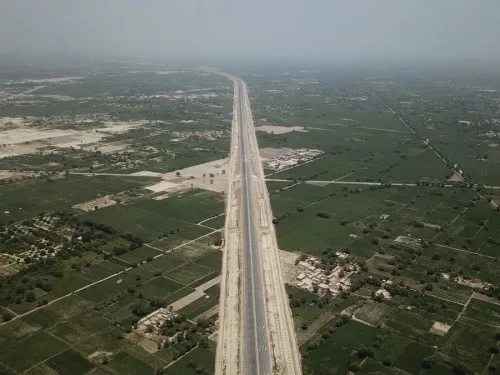
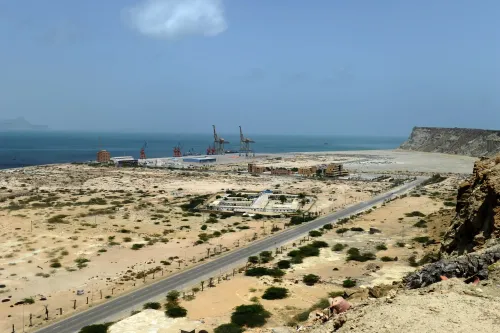
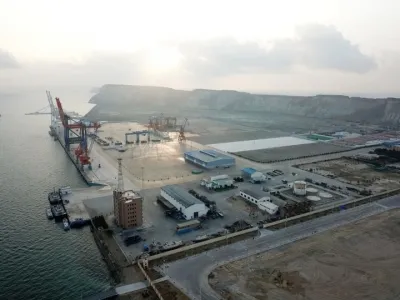
China has raised multiple concerns about the project, particularly regarding safety in Balochistan. Road safety remains a critical issue, and Pakistan has made little progress in addressing it. An official stated that the CPEC, an ambitious venture, is still far from completion, with critical components such as the Gwadar Port and Gwadar Airport yet to be finalized.
Officials have indicated that while Pakistan has been attempting to buy time from China, it is struggling to meet deadlines. Moreover, Pakistan has not been able to provide any security guarantees, which previously led China to offer its troops for project protection—a proposal Pakistan declined, asserting that it does not want foreign forces on its territory.
Despite having made security assurances, Indian intelligence has reported that the situation is deteriorating rapidly. Both the BLA and TTP have threatened to escalate their activities, targeting foreign investments. Residents of Balochistan argue that their region's natural resources are being exploited, with the benefits accruing primarily to those in mainland Pakistan.
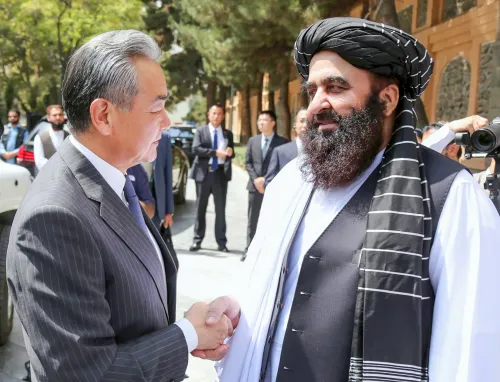
During the 7th round of the Pakistan-China Foreign Ministers’ Strategic Dialogue, Beijing expressed that the project's implementation lacks economic viability. Since its initiation, significant losses have been reported, mainly due to the region's security issues.
Intelligence assessments predict that Pakistan will struggle to meet its commitments. Terrorism incidents are expected to rise in both Khyber Pakhtunkhwa and Balochistan. Beijing's primary concern is Pakistan's inability to ensure the safety of its citizens and assets in these regions. Officials have noted that Beijing has emphasized the necessity for Pakistan to fulfill its obligations and mentioned that a high-level delegation would visit to evaluate the situation.
China has also stipulated that future funding will depend on Pakistan's transparency and compliance. These two areas, along with security, have been significant failures for Pakistan according to officials.
Furthermore, Pakistan has not adequately addressed China's inquiries regarding its mines and minerals contract with the United States. When the agreement was established, Beijing sought clarification from Islamabad, which has yet to provide satisfactory answers, causing irritation.
China has also voiced concerns about Pakistan's relations with Afghanistan, which have reached a new low. Pakistan's plans for renewed military action in Afghanistan have unsettled China, which had advocated for Afghan participation in the CPEC 2.0 project. Beijing has urged Pakistan to normalize its relationship with Afghanistan immediately to facilitate the smooth progress of CPEC 2.0.
An official remarked that Pakistan is currently balancing precariously. While it may manage to meet some commitments, providing security guarantees appears nearly impossible. The TTP is reportedly planning significant expansions, raising fears about its potential lethality. The BLA is similarly persistent, leaving Pakistan with limited options.
Throughout 2025, the Pakistan army has found itself in difficult predicaments, unable to confront these groups effectively. In a bid to counter the BLA and TTP, it has even allied with the Islamic State Khorasan Province (ISKP) and Lashkar-e-Taiba, but officials report minimal success.
Indian agencies warn that the growing frustration may lead the army to commit widespread atrocities against the Balochistan populace, further exacerbating the situation and jeopardizing the CPEC's future, according to another official.
Point of View
I observe that while the challenges faced by Pakistan regarding CPEC are significant, it is essential to acknowledge the complexity of geopolitical dynamics at play. The situation requires a balanced approach, focusing on dialogue and cooperation to ensure both Pakistan and China can achieve their mutual goals.
NationPress
29 Sept 2026
Frequently Asked Questions
What are the main challenges facing CPEC?
CPEC is hindered by funding shortages, security issues due to groups like the BLA and TTP, and regional instability.
How has China reacted to Pakistan's progress on CPEC?
China has expressed dissatisfaction with the pace of progress and has raised concerns about safety and transparency.
What security guarantees has Pakistan provided for CPEC?
Pakistan has struggled to provide adequate security guarantees, leading to concerns from Chinese officials.
How do local communities feel about CPEC?
Many residents of Balochistan feel that their natural resources are being exploited without benefiting their communities.
What is the future outlook for CPEC?
The future of CPEC remains uncertain as Pakistan faces mounting challenges in security and funding.