Pakistan militancy strains China's $65 billion CPEC investment in Balochistan
Synopsis
The Baloch Liberation Army launched over 100 attacks in the first half of this year, with Chinese projects a primary target — putting a real dent in CPEC's momentum and forcing Beijing to weigh whether its USD 65 billion bet on Pakistan is worth the escalating security cost.
Key Takeaways
The Baloch Liberation Army (BLA) launched over 100 attacks in Balochistan in the first six months of 2025 , frequently targeting Chinese investment projects.
China has committed approximately USD 65 billion to Pakistan through CPEC since 2015 , covering infrastructure, energy, and mineral extraction.
Analyst Khalid Sultan warned that 'CPEC has lost much of its initial momentum' due to the deteriorating security environment.
Political scientist Ayesha Siddiqa of King's College London said the threat is 'bound to increase' given current geopolitical conditions.
Balochistan remains Pakistan's most underdeveloped province despite its strategic location bordering Afghanistan , Iran , and access to the Strait of Hormuz .
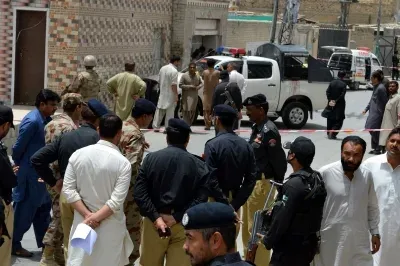
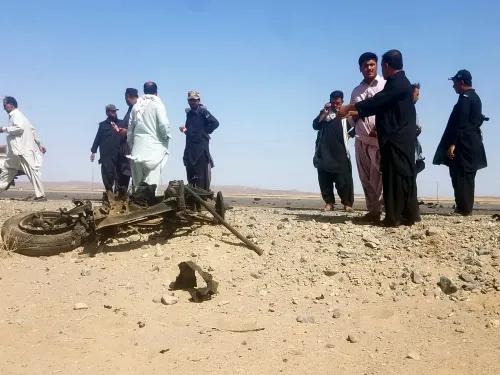
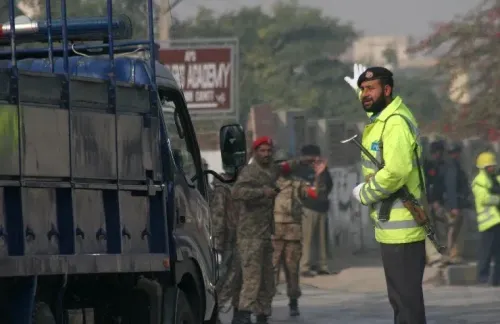
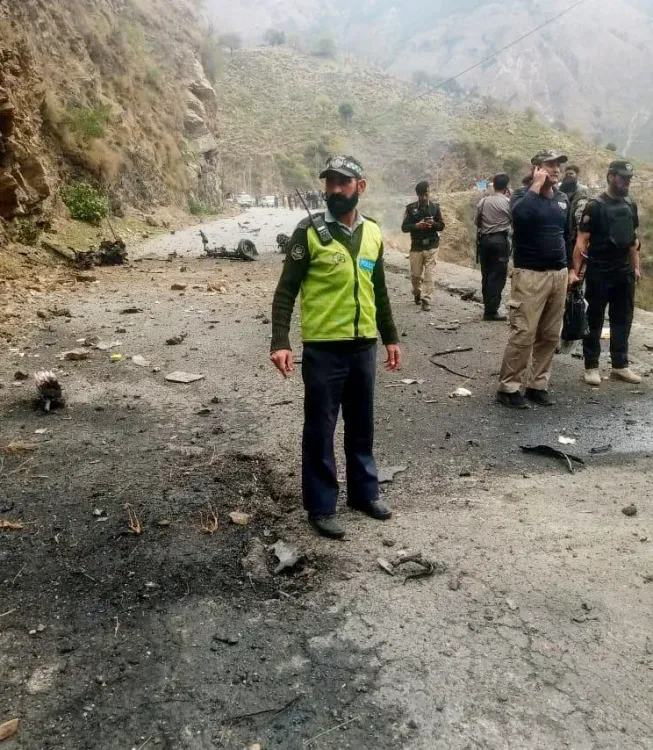
A sharp escalation in militant attacks across Pakistan is placing China's multi-billion-dollar stake in the country under mounting pressure, with the China–Pakistan Economic Corridor (CPEC) — the flagship project of Beijing's Belt and Road Initiative (BRI) — increasingly caught in the crossfire. The Baloch Liberation Army (BLA) launched over 100 attacks in Balochistan in the first six months of this year alone, with Chinese projects, Pakistani security forces, and foreign investment sites among the primary targets.
Scale of Chinese Investment at Risk
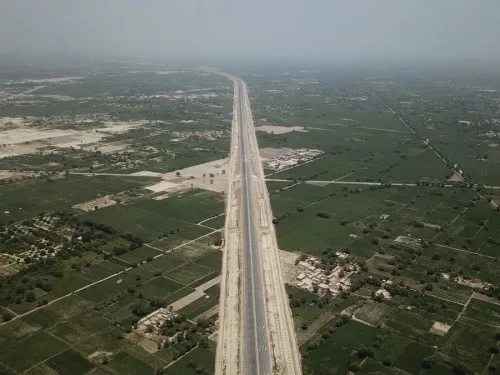
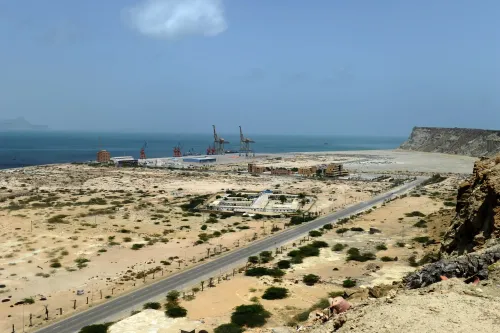
Since 2015, China has committed approximately USD 65 billion to Pakistan through CPEC, funding infrastructure development, energy generation, and mineral extraction projects, according to a report by US-based outlet Radio Free Europe/Radio Liberty (RFE/RL). Balochistan, which borders Afghanistan and Iran and provides strategic access to the Strait of Hormuz via Gwadar Port, sits at the geographical heart of this investment corridor.
The BLA and other Baloch militant groups allege that both Beijing and Islamabad are exploiting the province's vast natural resources while leaving it as Pakistan's most underdeveloped and economically deprived region — a grievance analysts describe as longstanding and deeply rooted.
CPEC Loses Momentum Amid Security Threats
Khalid Sultan, an Islamabad-based analyst quoted in the RFE/RL report, said the corridor has already lost considerable ground. 'CPEC has lost much of its initial momentum,' Sultan said, noting that the prevailing security situation makes it difficult to attract new foreign investments in Pakistan.
Sultan further warned that if conditions do not improve, Beijing is likely to slow the pace of new commitments, reassess existing projects, and demand stronger security guarantees before releasing additional resources. Analysts also cited political instability, bureaucratic delays, and economic obstacles as compounding factors behind the stalled implementation of several CPEC projects.
Analysts Warn Threat Could Escalate
Ayesha Siddiqa, a political scientist, author, and senior fellow at King's College London, said the security threat is unlikely to diminish and could in fact worsen. 'Given the current global geopolitical conditions, this threat is bound to increase,' she told RFE/RL, citing rising militant violence in Pakistan and the country's indirect involvement in the Middle East.
'There are multiple forces which are responsible for a continuous turmoil in the region and conditions are not going to be favourable,' Siddiqa added. Her assessment reflects a broader consensus among security analysts that the BLA's targeting of Chinese interests is no longer opportunistic but increasingly strategic.
Diplomatic Pressure Between Beijing and Islamabad
Security and counter-terrorism have reportedly featured prominently in recent high-level discussions between Chinese and Pakistani officials, reflecting the strain that persistent militant violence is placing on what has traditionally been described as an 'all-weather' alliance. The frequency of BLA attacks — targeting gas pipelines, electricity towers, railways, and now Chinese-linked projects — marks a qualitative shift in the insurgency's ambition and reach.
With geopolitical fault lines deepening and no clear resolution to Balochistan's underlying grievances in sight, the future trajectory of CPEC investment remains uncertain.
Point of View
Tighter security demands — will not address the underlying grievance; it will simply make the corridor more fortress than trade route. The deeper risk is that a visibly stalled CPEC becomes a propaganda asset for the BLA, validating the very exploitation narrative that drives recruitment.
NationPress
26 Oct 2026
Frequently Asked Questions
How many attacks has the BLA carried out against Chinese projects in Pakistan?
The Baloch Liberation Army launched over 100 attacks in Balochistan in the first six months of 2025, with Chinese investment projects, Pakistani police, military, and paramilitary personnel among the primary targets, according to reports.
How much has China invested in Pakistan through CPEC?
China has committed approximately USD 65 billion to Pakistan through the China–Pakistan Economic Corridor since 2015, funding infrastructure development, energy generation, and mineral extraction projects across the country.
Why is the BLA targeting Chinese projects in Balochistan?
Baloch militant groups allege that both China and Pakistan are exploiting Balochistan's natural resources without delivering economic benefits to the local population. Despite its strategic importance and resource wealth, Balochistan remains Pakistan's most underdeveloped and economically deprived province.
What impact is the militancy having on CPEC's progress?
Analysts say CPEC has lost much of its initial momentum. Security threats, political instability, bureaucratic delays, and economic obstacles have delayed the implementation of several projects. Islamabad-based analyst Khalid Sultan warned that Beijing may slow new investments and demand stronger security guarantees.
What do analysts say about the future security situation in Pakistan?
Political scientist Ayesha Siddiqa of King's College London said the security threat is unlikely to diminish and could escalate, citing current global geopolitical conditions and Pakistan's indirect involvement in the Middle East. She warned that 'conditions are not going to be favourable.'