Asim Munir's India blame game masks Balochistan crisis, BLA gains and CPEC failures
Synopsis
Pakistan's army chief is blaming India for Balochistan's unravelling — but officials say the real story is a string of failures: BLA attacks the military cannot stop, CPEC security guarantees it cannot keep, and troops it cannot motivate. With China furious and desertions reportedly looming, Munir's narrative pivot to India-bashing looks less like strategy and more like a last resort.
Key Takeaways
The BLA carried out a coordinated bombing of the Zaffar Express , targeting Pakistani security personnel aboard the train.
Field Marshal Asim Munir reportedly attempted to use Lashkar-e-Taiba and ISKP against the BLA — an effort officials say has failed.
China is demanding security guarantees for CPEC after repeated attacks on its investments and personnel in Balochistan .
An Intelligence Bureau official reportedly warned of troop demoralisation and the risk of large-scale desertions from Pakistani security forces.
Munir's Eid-ul-Azha visit to troops in Zhob and Quetta focused on blaming India rather than addressing operational failures, according to officials.
Officials say the anti-India narrative is a diversion tactic with no bearing on resolving the Balochistan insurgency.
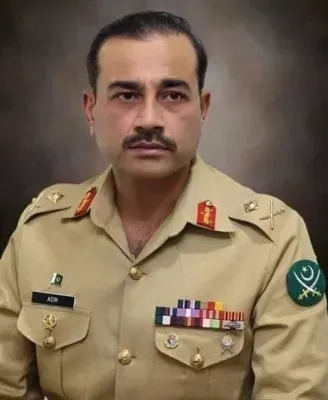
Pakistani Army chief Field Marshal Asim Munir has resorted to an anti-India narrative campaign, according to multiple officials, as mounting pressure from China, sustained Balochistan Liberation Army (BLA) attacks, and reports of troop demoralisation leave him with few credible options on the ground. The pivot to blame-shifting, officials say, is a direct consequence of comprehensive security failures in Balochistan — failures that are now straining the China-Pakistan Economic Corridor (CPEC) and testing Beijing's patience.
BLA Offensive and the Zaffar Express Attack
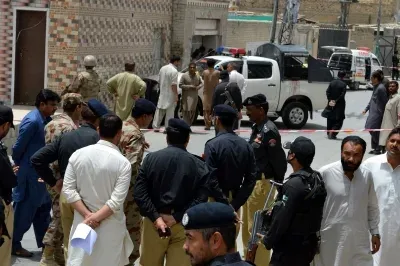
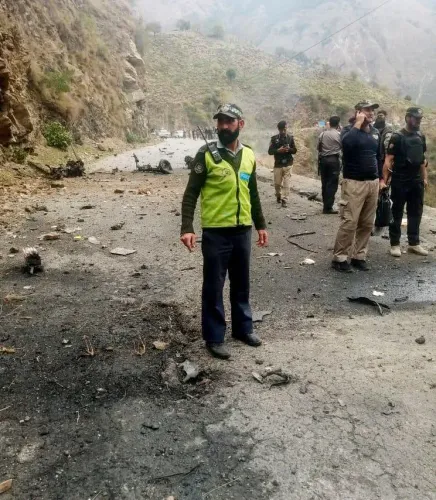
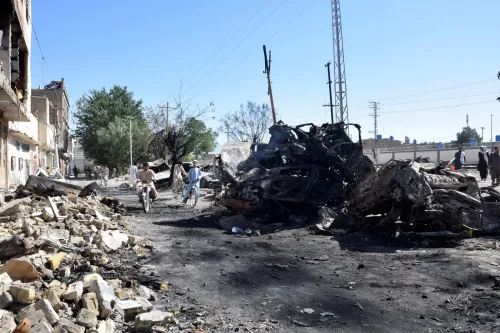
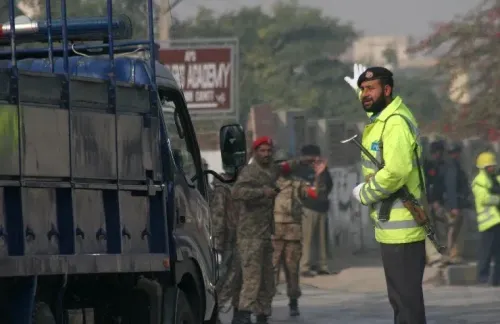
The security situation in Balochistan has deteriorated sharply. The BLA recently carried out a coordinated train bombing targeting security personnel aboard the Zaffar Express, underscoring the militant group's capacity for high-impact, organised strikes. Officials note that despite repeated deployments of additional troops, the Pakistani security establishment has been unable to neutralise the BLA threat or protect key infrastructure.
Notably, Munir reportedly attempted to co-opt non-state actors — including Lashkar-e-Taiba and Islamic State Khorasan Province (ISKP) — to fight alongside Pakistani forces against the BLA. That gambit, according to officials, has also failed. In a further sign of desperation, the army chief allegedly directed Talha Saeed, son of Lashkar-e-Taiba founder Hafiz Saeed, to open back-channel negotiations with the BLA. The effort reportedly involved a meeting with a close aide of Prime Minister Shehbaz Sharif. Officials say the initiative was futile: the BLA, they note, has no trust in either the Pakistani state or its proxy networks.
China's Pressure and CPEC Security Failures
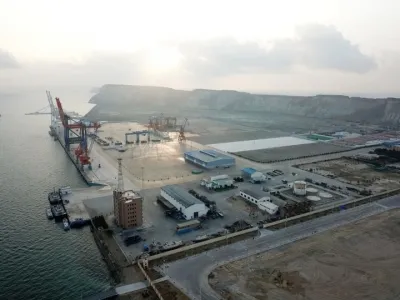
For Beijing, the stakes are existential for its flagship infrastructure investment. At the time CPEC was signed, Pakistan gave strong assurances about corridor security. China's position, officials say, was always clear: it would finance the project, but security was Pakistan's responsibility. That understanding has now become a source of acute bilateral tension.
Chinese investments and personnel have been repeatedly targeted in Balochistan. According to officials, Beijing has stepped up pressure on Munir, demanding concrete security guarantees. The accumulating losses on the Chinese side have left Beijing, in the words of one official, 'fuming.' The pressure, sources say, is immense and unrelenting.
Troop Demoralisation and Desertion Risk
An Intelligence Bureau official, according to reports, warned that troops on the ground are demoralised and that large-scale desertions are a realistic possibility. Repeated requests from within the security forces for structural changes — in intelligence protocols, deployment strategy, and administrative oversight — have reportedly gone unheeded. Officials say the demoralisation is current; the desertions, they warn, will follow at scale over time.
The Pakistani military's inability to counter both the BLA and Tehreek-e-Taliban Pakistan (TTP) has compounded the crisis. Officials describe the administration as being in 'panic mode,' with no coherent counter-insurgency framework in place.
The Narrative Diversion: Blaming India
Against this backdrop, Munir's Eid-ul-Azha visit to frontline troops in Zhob and Quetta drew sharp criticism from within the establishment. Officials say the visit — which should have addressed intelligence failures, security gaps, and administrative lapses — instead became a platform for sustained India-bashing. Rather than offering troops a credible operational roadmap or acknowledging institutional shortcomings, Munir focused on attributing Balochistan's unrest to New Delhi.
Officials say this approach is counterproductive on two fronts: it does nothing to resolve the actual security crisis, and it further demoralises troops who are looking for leadership, not deflection. 'He sought to shift blame while not addressing the real problem,' one official said.
What Comes Next
With Beijing demanding results, the BLA showing no sign of retreat, and internal cohesion under strain, Munir's room for manoeuvre is narrowing. Officials say the narrative campaign against India is a short-term pressure valve, not a strategy. Unless the Pakistani establishment addresses the structural causes of Balochistan's insurgency — political grievances, economic marginalisation, and intelligence failures — the crisis is likely to deepen, and the pressure from China will only intensify.
Point of View
Not a communications strategy. When an army chief visits demoralised frontline troops and delivers a foreign-blame speech instead of an operational plan, it signals that no operational plan exists. The deeper problem is structural: Pakistan's security establishment has no credible counter-insurgency doctrine for Balochistan, and co-opting terror proxies to fight other militants is not a substitute for one. Beijing, which has real money at stake in CPEC, is unlikely to be mollified by anti-India rhetoric — it will want results. The desertion warnings, if accurate, are the most consequential signal here: an army that cannot hold its own ranks together cannot hold a province.
NationPress
14 Oct 2026
Frequently Asked Questions
What triggered the latest Balochistan security crisis for Pakistan?
The BLA carried out a coordinated train bombing targeting Pakistani security personnel aboard the Zaffar Express, the latest in a series of high-impact attacks that Pakistani forces have been unable to prevent. Officials say the army has deployed more troops but achieved little success against the BLA.
Why is China pressuring Asim Munir over Balochistan?
China's CPEC investments and personnel have repeatedly been targeted in Balochistan, and Beijing holds Pakistan responsible for corridor security under the original project agreement. Officials say Chinese losses have left Beijing demanding concrete security guarantees from Munir's administration.
What is the significance of Munir's anti-India rhetoric during his Eid-ul-Azha troop visit?
Officials say Munir's visit to frontline troops in Zhob and Quetta — which focused on blaming India for Balochistan's unrest — was a deliberate narrative diversion from domestic security failures. Critics within the establishment argue it demoralised troops further by offering deflection instead of operational direction.
Are Pakistani troops really at risk of deserting?
An Intelligence Bureau official reportedly warned that troops are demoralised and that large-scale desertions are a realistic prospect over time. Officials say repeated requests for structural changes in intelligence and deployment strategy have gone unheeded, deepening the sense of abandonment among security personnel.
Did Pakistan try to use Lashkar-e-Taiba to negotiate with the BLA?
According to officials, Munir directed Talha Saeed — son of Lashkar-e-Taiba founder Hafiz Saeed — to open negotiations with the BLA, reportedly involving a meeting with a close aide of Prime Minister Shehbaz Sharif. Officials say the effort failed because the BLA has no trust in the Pakistani state or its proxy networks.