Asim Munir's India rants: Reviving proxy war as Jaish, Lashkar lose will
Synopsis
Pakistan Army chief Asim Munir's increasingly shrill anti-India rants are not bluster — they are a recruitment pitch. With Jaish-e-Mohammad and Lashkar-e-Taiba demoralised after Operation Sindoor and infiltration attempts failing, Munir is reportedly using India-blaming rhetoric to reignite terror proxies he can no longer command through fear alone.
Key Takeaways
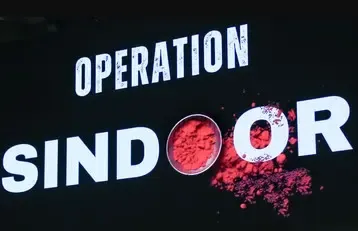
Field Marshal Asim Munir has intensified anti-India rhetoric following Operation Sindoor , blaming India for TTP and BLA attacks.
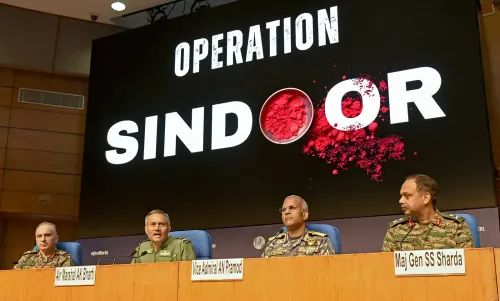
Indian intelligence officials say the rants are aimed at reviving the morale of Jaish-e-Mohammad and Lashkar-e-Taiba , both reportedly weakened after Operation Sindoor.
The ISI is reportedly funding and resourcing the terror groups, but their top leadership has shown reluctance to launch fresh operations.
Munir's anti-India pivot also follows the failure of his military campaign against the Afghan Taliban , which was intended as a post-Sindoor distraction.
Multiple infiltration attempts into India have reportedly failed; officials warn a desperate strike attempt in Jammu and Kashmir remains likely.
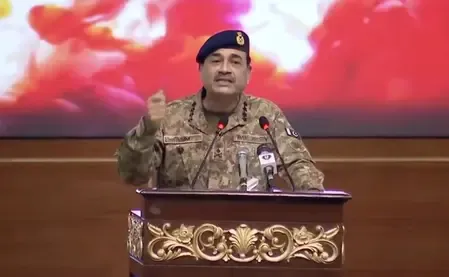
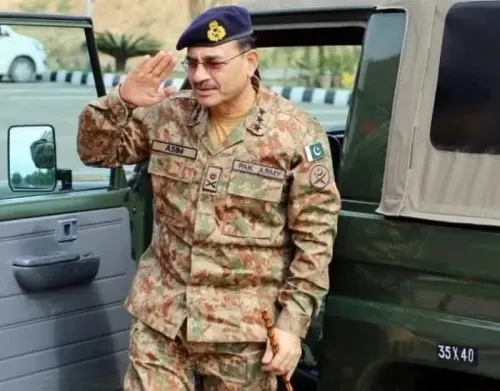
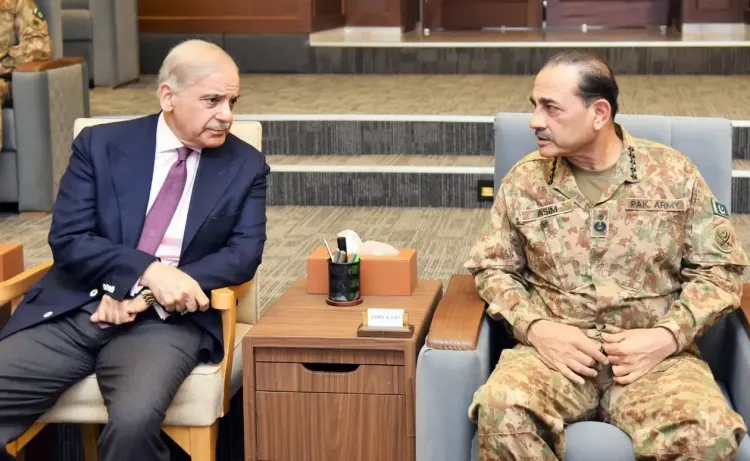
Pakistan's army chief Field Marshal Asim Munir has been aggressively pushing a narrative blaming India for attacks by the Tehreek-e-Taliban Pakistan (TTP) and the Balochistan Liberation Army (BLA), according to Indian intelligence officials. The rhetorical offensive, which intensified following Operation Sindoor, is widely seen as a calculated attempt to reignite proxy terror outfits — particularly the Jaish-e-Mohammad (JeM) and Lashkar-e-Taiba (LeT) — that have reportedly lost morale and operational momentum.
The Strategic Calculus Behind the Rants
An Intelligence Bureau official told NationPress that Munir's tactic is transparent: he wants the Lashkar and the Jaish to be more proactive in their campaign against India. Both outfits, according to the official, were hit hard during Operation Sindoor and have since been reluctant to mount a sustained offensive. "What these terror groups are lacking is morale and will. They are not short of funds or other facilities, as the ISI has been providing these to them," the official said.
Re-grouping is reportedly underway, but not at the pace the Pakistan Army or ISI would have hoped for. The top leadership of these groups, the official noted, appears reluctant to commit to an immediate large-scale confrontation with India.
Operation Sindoor and Munir's Loss of Face
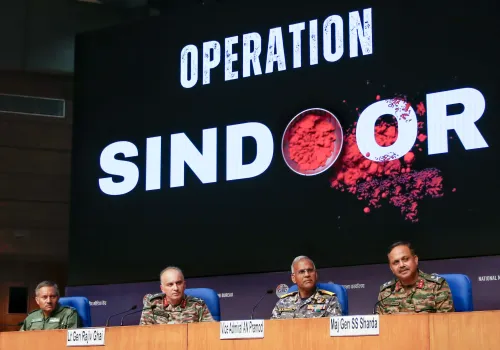
For Munir, Operation Sindoor — India's retaliatory military action following the Pahalgam attack — was a significant setback to his credibility. Prior to the operation, he had publicly declared that Pakistan would "start by destroying India from the East" and then move westwards. Those statements, according to officials, have now become a liability.
"These statements actually set the trap for Munir," one official said. "Many within Pakistan, particularly the hardliners, are now asking him questions about the tall promises he had made." The pressure from within Pakistan's own establishment is reportedly pushing Munir to demonstrate resolve through escalatory rhetoric.
The Afghan Misadventure and Its Fallout
Munir's anti-India posturing is also linked to the failure of his military campaign against the Afghan Taliban, which was reportedly intended as a public distraction after the humiliation of Operation Sindoor. That war did not go as planned, and large sections of the Pakistani public reportedly opposed it, arguing that ties with the Afghan Taliban are natural and should not be severed.
"Munir could not have gone on with that war forever. Eventually, he has to strike a peace with the Afghan regime," officials said. With the Afghan front effectively closed, the army chief has reportedly pivoted to sharpening his anti-India narrative as the next available pressure valve.
Infiltration Attempts and the Threat to Jammu and Kashmir
Despite Munir's efforts to stoke anger, both the Lashkar-e-Taiba and Jaish-e-Mohammad have so far failed to infiltrate into India, with multiple attempts reportedly foiled. Indian borders remain on high alert, and security forces have repelled infiltration bids in Jammu and Kashmir.
Officials warn, however, that the situation is increasingly volatile. "The Pakistanis are getting desperate, and with Munir ranting every day, an audacious attempt to strike in the Valley is likely to be made," one official cautioned. The coming weeks in Jammu and Kashmir are being described as a critical window that Indian security agencies are watching closely.
Point of View
And the Afghan misadventure compounded the damage. The anti-India rant is not a strategy — it is a substitute for one. The real danger is that cornered actors make reckless decisions: if Lashkar or Jaish do attempt an audacious strike in Jammu and Kashmir, it will be less a sign of strength and more the last roll of a desperate hand.
NationPress
19 Sept 2026
Frequently Asked Questions
Why is Pakistan Army chief Asim Munir blaming India for TTP and BLA attacks?
According to Indian intelligence officials, Munir is using the India-blaming narrative to reignite the morale of Pakistan-based terror groups like Jaish-e-Mohammad and Lashkar-e-Taiba, which have reportedly lost the will to fight following Operation Sindoor. The rhetoric is seen as a deliberate attempt to stoke anger and push these groups into renewed proxy action against India.
What is Operation Sindoor and how does it relate to Munir's rhetoric?
Operation Sindoor was India's military retaliatory action following the Pahalgam terror attack. Munir had made sweeping public threats before the operation, and its outcome was seen as a significant loss of face for him, prompting both domestic pressure and the current escalatory rhetoric.
Have Jaish-e-Mohammad and Lashkar-e-Taiba been able to infiltrate India?
No. According to officials, both outfits have failed to infiltrate into India despite multiple attempts, with Indian borders on high alert in Jammu and Kashmir. The groups are reportedly well-funded by the ISI but lack the morale and leadership resolve to mount fresh operations.
What role did Pakistan's conflict with the Afghan Taliban play in Munir's anti-India posture?
Munir's war against the Afghan Taliban was reportedly intended as a public distraction after the humiliation of Operation Sindoor, but it failed to gain domestic support and could not be sustained. With that front closed, officials say Munir has pivoted to anti-India rhetoric as the next available pressure outlet.
What is the threat outlook for Jammu and Kashmir?
Indian security officials have described the current period as critical, warning that Pakistan's desperation and Munir's daily rhetoric increase the likelihood of an audacious terror strike attempt in the Kashmir Valley. Security forces are reportedly on heightened alert.