Gujarat approves 600 cusecs via SAUNI Link-1 for Jamnagar, Dwarka
Synopsis
With rainfall below normal and Narmada basin storage also short, Gujarat has activated SAUNI Link-1 to push 600 cusecs from the Machhu-2 reservoir into Jamnagar and Devbhumi Dwarka — drinking water first, farming second. The move underscores how severely Saurashtra's own reservoirs have been hit this monsoon season.
Key Takeaways
Gujarat approved 600 cusecs of water from the Machhu-2 reservoir via SAUNI Link-1 for Jamnagar and Devbhumi Dwarka districts.
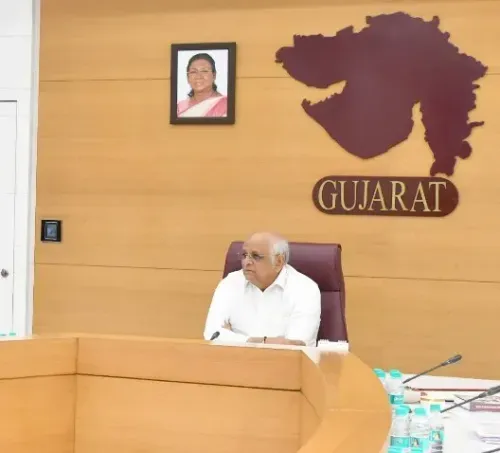
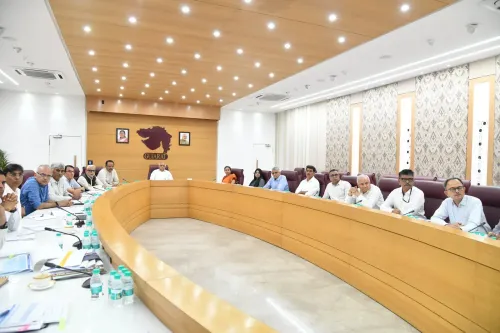
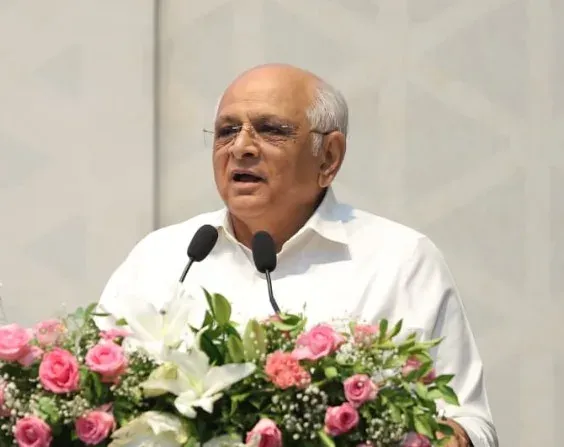
The decision was taken under Chief Minister Bhupendra Patel in response to below-normal rainfall and strained local reservoirs.
Drinking water supply takes priority; irrigation allocations will follow only after potable needs are met.
SAUNI Link-1 runs from Machhu-II dam , Morbi, to Sani Dam , Jamnagar, with a capacity of 1,200 cusecs .
Link-1 is designed to fill 30 reservoirs across four districts, covering a command area of about 2.02 lakh acres .
The Gujarat government has approved the release of 600 cusecs of water from the Machhu-2 reservoir through Link-1 of the Saurashtra Narmada Avtaran Irrigation (SAUNI) scheme to address water shortages in Devbhumi Dwarka and Jamnagar districts. The decision, taken under Chief Minister Bhupendra Patel, prioritises drinking water supply over irrigation amid lower-than-normal rainfall across the Saurashtra region.
What Triggered the Decision
Officials said the region typically depends on local reservoirs for both drinking and agricultural needs, but below-average monsoon rainfall has strained water availability. Storage levels in the Narmada basin are also reportedly below normal, compounding the pressure on local water bodies in Jamnagar and Devbhumi Dwarka.
The state Water Resources and Water Supply Department confirmed that 600 cusecs is currently being drawn through SAUNI Link-1, with the pipeline carrying water from the Machhu-II dam in Morbi district toward Sani Dam in Jamnagar.
How the Water Will Be Allocated
'The water would first be allocated for drinking purposes. Any water remaining after meeting drinking-water requirements would subsequently be made available for agriculture and irrigation,' officials said. This sequencing reflects the government's stated priority of securing potable water before addressing farm needs.
The measure is expected to ease drinking-water concerns in parts of both districts while providing some relief to farmers dependent on irrigation, according to officials.
About the SAUNI Scheme and Link-1
The SAUNI project was designed to divert surplus Narmada water through a network of pipelines to reservoirs across the water-scarce Saurashtra region. Link-1 runs from the Machhu-II dam in Morbi to Sani Dam in Jamnagar and has a total carrying capacity of 1,200 cusecs — double the volume currently being utilised.
According to the state government, Link-1 is designed to fill 30 reservoirs across Rajkot, Morbi, Devbhumi Dwarka, and Jamnagar districts, with a potential command area of approximately 2.02 lakh acres.
Broader Context and What Comes Next
This is not the first time the SAUNI scheme has been activated as a drought-mitigation tool — the project was conceived precisely for years when Saurashtra's own catchments fall short. Notably, the current activation comes before the monsoon season has formally concluded, signalling the severity of the deficit in these districts.
The immediate focus will remain on ensuring uninterrupted drinking-water supply. Agricultural allocations will follow only after those needs are met, leaving farmers' relief contingent on the overall volume drawn through the pipeline in the coming weeks.
Point of View
But the drinking-water-first sequencing also signals that urban and rural domestic supply is already under stress — not just farm irrigation. Gujarat has historically managed Saurashtra's water politics carefully; how equitably the remaining capacity is shared between Rajkot, Morbi, Jamnagar, and Devbhumi Dwarka will be the real test of this intervention.
NationPress
14 Oct 2026
Frequently Asked Questions
What is the SAUNI scheme and why is Link-1 significant?
The Saurashtra Narmada Avtaran Irrigation (SAUNI) scheme diverts surplus Narmada water through pipelines to reservoirs across the water-scarce Saurashtra region. Link-1 specifically connects Machhu-II dam in Morbi to Sani Dam in Jamnagar and is designed to fill 30 reservoirs across four districts, covering about 2.02 lakh acres.
Why has Gujarat released water through SAUNI Link-1 now?
Below-average rainfall has reduced water availability in local reservoirs in Jamnagar and Devbhumi Dwarka, while Narmada basin storage is also reportedly below normal levels. The state government activated Link-1 to prevent a drinking-water crisis in the two Saurashtra districts.
How will the 600 cusecs of water be distributed?
Drinking water supply will be prioritised first. Only after potable water requirements in Jamnagar and Devbhumi Dwarka are fully met will the remaining water be made available for agricultural and irrigation use.
What is the full carrying capacity of SAUNI Link-1?
SAUNI Link-1 has a total carrying capacity of 1,200 cusecs. The current release of 600 cusecs represents half that capacity, leaving room for the flow to be increased if the water deficit worsens.
Which districts benefit from SAUNI Link-1?
Link-1 is designed to benefit Rajkot, Morbi, Devbhumi Dwarka, and Jamnagar districts by filling 30 reservoirs across the area. The current special release is specifically targeted at addressing shortages in Jamnagar and Devbhumi Dwarka.