Gujarat distributes 16 lakh kg fodder across 301 villages amid rainfall deficit
Synopsis
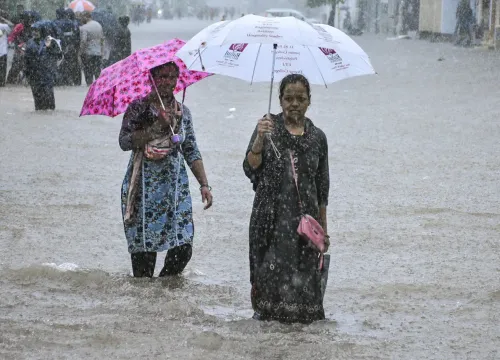
With rainfall running below normal, Gujarat has quietly activated one of its broadest rural relief packages in recent memory — 16 lakh kg of fodder to 301 villages, Narmada-linked irrigation to Saurashtra and North Gujarat, and extended power in seven districts. The scale of the response signals that the deficit is more serious than official reassurances let on.
Key Takeaways
16 lakh kg of fodder distributed across 301 villages , covering roughly 90,000 livestock .
The Forest Department holds 361 lakh kg of fodder in reserve; fodder supplied at a concessional ₹2 per kg .
Irrigation water released from Kadana Dam to Anand and Kheda districts; Sauni and Sujalam Sufalam schemes activated for Saurashtra and North Gujarat .
10-hour agricultural power supply extended to Amreli, Kutch, Jamnagar, Devbhumi Dwarka, Gir Somnath, Porbandar , and Junagadh .
Gujarat's 17 sugar mills hold 18 lakh quintals of sugar; factory-gate prices have fallen below ₹6,000 per quintal from above ₹6,500 .
Mills to resume operations after 15 October ; district collectors authorised for immediate local action.
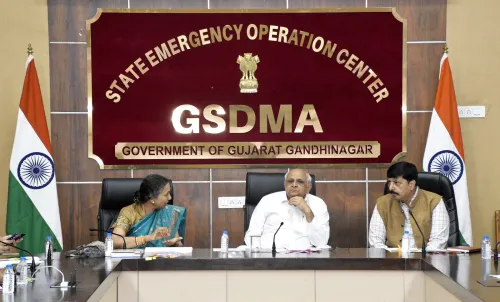
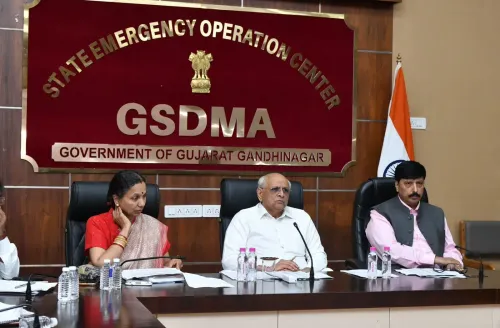
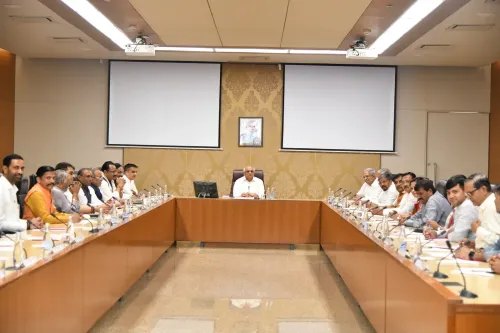
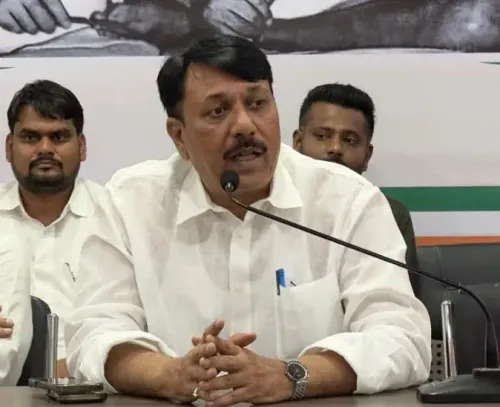
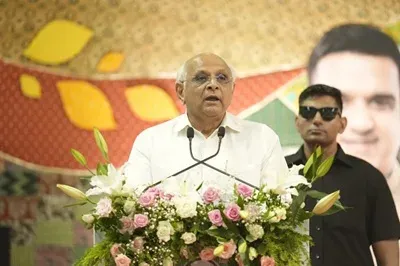
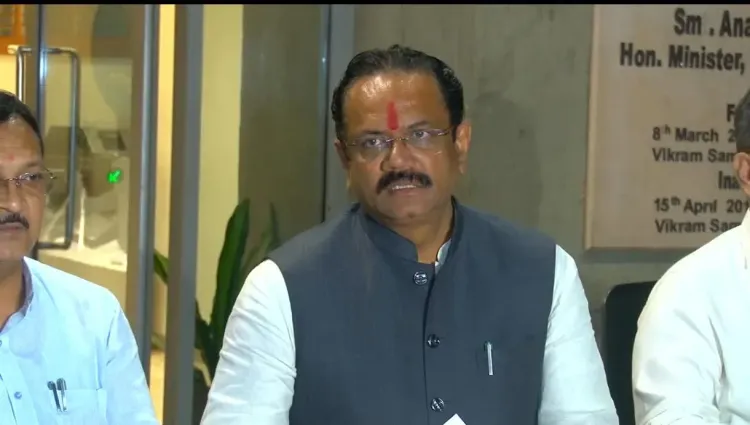
The Gujarat government has launched a multi-pronged relief drive for farmers and livestock owners reeling from a rainfall deficit, with 16 lakh kg of fodder distributed across 301 villages, additional irrigation water released from key dams, and a 10-hour power supply extended to seven districts. Minister and government spokesperson Jitu Vaghani announced the measures at a press conference in Gandhinagar on Tuesday, 25 August.
Fodder Relief and Livestock Support
According to Vaghani, roughly 90,000 livestock have been covered under the fodder distribution programme so far. The state's Forest Department still holds 361 lakh kg of fodder in reserve, and Vaghani was categorical that no shortage exists. 'There is no shortage of fodder in the state; the government has sufficient stock available,' he said.
Fodder is being supplied to livestock owners at a concessional rate of ₹2 per kg to ease financial pressure. District collectors have been empowered to act immediately based on local ground conditions, ensuring faster last-mile delivery without bureaucratic delays.
Irrigation Water Released to Protect Standing Crops
On the irrigation front, the government has activated the Sauni and Sujalam Sufalam schemes to channel water from the Narmada-based pipeline network to lakes and dams in Saurashtra and North Gujarat. Drinking water is being supplied regularly to Pariyej and Kanewal lakes in the Mahi command area.
Vaghani also announced that irrigation water would be released from Kadana Dam to Anand and Kheda districts to prevent standing crops from drying out. The government has committed to using water management measures to reach remote areas and agricultural fields, he said.
Extended Power Supply for Seven Districts
While all districts currently receive eight hours of regular daily electricity for agricultural use, the government has already extended this to 10 hours in Amreli, Kutch, Jamnagar, Devbhumi Dwarka, Gir Somnath, Porbandar, and Junagadh, citing local geographical needs. Vaghani added that the extended supply was not restricted to these seven districts and could be expanded further if crop or water requirements demanded it.
Sugar Availability and Price Controls
Separately, Vaghani addressed concerns around sugar availability. Gujarat has 17 sugar mills with a combined daily crushing capacity of 73,800 tonnes, and more than 2 lakh farmers supply sugarcane to these mills annually. The state produces approximately 9 lakh metric tonnes of sugar each year, and mills currently hold around 18 lakh quintals of sugar in stock.
The mills are in their off-season and are expected to resume operations after 15 October. Vaghani noted that factory-gate sugar prices, which had earlier climbed above ₹6,500 per quintal, have since fallen below ₹6,000 following government intervention. He added that retail market prices would be brought under control 'in the near future.' He also clarified that no sugar cooperative in Gujarat produces ethanol directly from sugarcane — ethanol is derived from molasses obtained after sugar production.
What Comes Next
The Gujarat government has signalled that all relief measures — fodder supply, irrigation releases, and extended power — will be scaled up as the rainfall deficit persists. With the sugar milling season resuming after mid-October and district collectors on standby for immediate action, the state's response framework is designed to adapt to evolving conditions on the ground.
Point of View
Irrigation, and power all activated simultaneously — suggests the rainfall deficit is more acute than the government's reassuring tone implies. Supplying fodder at ₹2 per kg is a meaningful subsidy, but the real test is last-mile delivery in remote Saurashtra and Kutch, where livestock dependence is highest. The decision to empower district collectors for immediate action is pragmatic, but without public reporting on district-level disbursements, accountability remains thin. On sugar, the price correction from ₹6,500 to below ₹6,000 per quintal is welcome — but whether it holds once mills restart in October will depend on how the Centre manages export and ethanol policy, factors entirely outside Gandhinagar's control.
NationPress
10 Oct 2026
Frequently Asked Questions
How much fodder has Gujarat distributed amid the rainfall deficit?
The Gujarat government has distributed 16 lakh kg of fodder across 301 villages , covering approximately 90,000 livestock . The Forest Department holds an additional 361 lakh kg in reserve, and fodder is being supplied to livestock owners at a concessional rate of ₹2 per kg.
Which districts in Gujarat are getting 10-hour agricultural power supply?
The seven districts receiving a 10-hour daily power supply for agriculture are Amreli, Kutch, Jamnagar, Devbhumi Dwarka, Gir Somnath, Porbandar , and Junagadh . All other districts currently receive eight hours of daily supply, which the government says can be extended if needed.
What irrigation measures has Gujarat taken to protect standing crops?
The government has activated the Sauni and Sujalam Sufalam schemes to supply water to Saurashtra and North Gujarat via the Narmada pipeline network. It has also decided to release irrigation water from Kadana Dam to Anand and Kheda districts to prevent standing crops from drying out.
What is the current sugar stock position in Gujarat?
Gujarat's 17 sugar mills currently hold around 18 lakh quintals of sugar. The mills are in their off-season and will resume crushing after 15 October . More than 2 lakh farmers supply sugarcane annually, with the state producing roughly 9 lakh metric tonnes of sugar each year.
Why have sugar prices fallen in Gujarat recently?
Factory-gate sugar prices in Gujarat fell from above ₹6,500 per quintal to below ₹6,000 following government intervention, according to Minister Jitu Vaghani . He said retail market prices would also be brought under control in the near future.