Gujarat dam levels at 20% as Congress flags drought-like crisis in Saurashtra, Kutch
Synopsis
Gujarat's major dams in Saurashtra, Kutch and North Gujarat are at just 20% capacity after the state received barely 1 inch of rain in June against last year's 11.55 inches — an 80–85% deficit. With sowing down 40%, fodder scarce, and migration already reported, Congress is demanding emergency relief before the shortfall becomes a full humanitarian crisis.
Key Takeaways
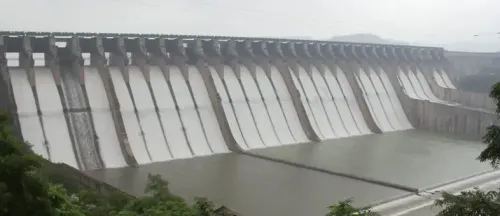
Congress warned on 29 June that major dams in Saurashtra , Kutch , and North Gujarat hold only around 20% of their storage capacity.
Gujarat received approximately 1 inch of rainfall in June 2025 , versus 11.55 inches in the same period last year — an 80–85% shortfall.
Agricultural sowing has fallen by nearly 40 per cent compared to the same period in 2024, according to Congress figures.
A growing fodder scarcity is forcing livestock owners to travel long distances, with reports of rural migration emerging from affected areas.
Congress demanded electricity supply for agriculture be raised from 8 hours to at least 12 hours daily and irrigation canals be supplied with water immediately.
The state government has yet to formally respond to the party's demands for emergency relief and a damage assessment.
The Indian National Congress on Monday, 29 June raised an alarm over a worsening drought-like situation across parts of Gujarat, claiming that major dams in Saurashtra, Kutch, and North Gujarat have fallen to roughly 20 per cent of their total water storage capacity. The party warned that the crisis could deepen significantly if monsoon rainfall does not pick up in the coming weeks.
Rainfall Deficit and Agricultural Impact
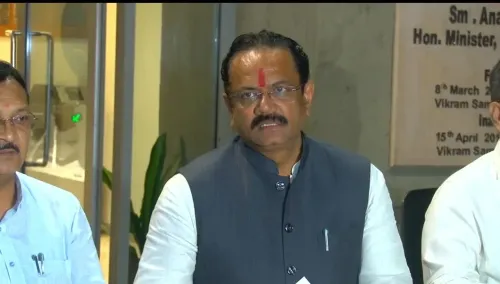
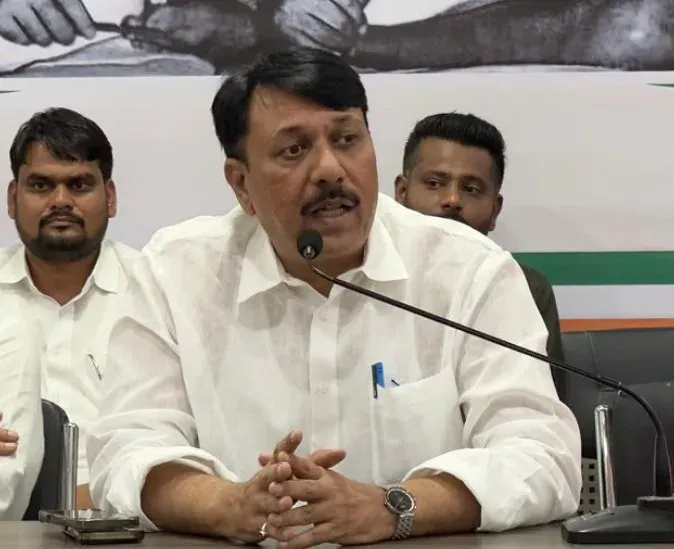
Gujarat Pradesh Congress Committee president Amit Chavda, speaking at a press briefing at Rajiv Gandhi Bhavan in Ahmedabad, described the rainfall situation as 'alarming'. According to figures cited by the Congress, the state has received only around 1 inch of rainfall so far this June, against 11.55 inches recorded during the same period last year — a shortfall of 80–85 per cent.
Chavda claimed that sowing activity has dropped by nearly 40 per cent compared to the same period last year, directly attributing the decline to the acute rainfall deficit. Crop drying and reduced cultivation have compounded distress among farming communities across the region.
Water Crisis and Livestock Distress
The water shortage has extended beyond agriculture. Chavda warned that a prolonged monsoon delay could escalate into a drinking water crisis affecting both rural populations and livestock. The Congress also flagged a growing fodder scarcity, with livestock owners reportedly travelling long distances to source feed.
'The combined impact of water shortage and fodder crisis was increasing pressure on rural communities, with reports of migration emerging from some affected areas,' Chavda said.
Congress Demands Immediate State Action
The party put forward a set of urgent demands directed at the Gujarat state government. These include the immediate release of water into irrigation canals to protect standing crops, and an increase in the daily electricity supply for agriculture from the current 8 hours to at least 12 hours, enabling farmers to operate tubewells more effectively.
The Congress further called for a comprehensive damage assessment to be conducted 'on a war footing', with prompt relief measures announced for farmers and livestock rearers. It also urged urgent coordination with farmer representatives to address grievances and develop long-term solutions.
What Happens Next
The severity of the situation will depend heavily on the progression of the 2025 southwest monsoon over Gujarat in the coming weeks. With dam levels critically low in the state's most water-stressed regions and sowing already lagging, any further delay in rainfall could trigger a full-scale agricultural and humanitarian emergency. The state government is yet to formally respond to the Congress's demands.
Point of View
But the underlying numbers — if accurate — point to a structural vulnerability Gujarat has faced before. Saurashtra and Kutch are perennially dependent on monsoon timing, and a single weak June can cascade into a drinking water emergency by September. What is notable here is the 40% sowing deficit: that figure, if verified independently, would signal not just a bad season but potential long-term food security stress in the region. The state government's silence so far is itself a data point — and one worth watching as the monsoon window narrows.
NationPress
28 Sept 2026
Frequently Asked Questions
What is the current water situation in Gujarat's major dams?
According to the Congress, major dams in Saurashtra, Kutch and North Gujarat are holding only around 20 per cent of their total water storage capacity as of 29 June 2025. The party attributes this to an 80–85% rainfall deficit in June compared to last year.
How severe is Gujarat's rainfall deficit in June 2025?
Gujarat has reportedly received only about 1 inch of rainfall in June 2025, against 11.55 inches recorded during the same period in 2024, marking a shortfall of 80–85 per cent. This has directly impacted sowing, crop health, and water availability across the state.
How has the water shortage affected Gujarat's farmers?
Sowing activity has reportedly fallen by nearly 40 per cent compared to the same period last year, with crop drying and reduced cultivation adding to farmer distress. Fodder scarcity has also forced livestock owners to travel long distances, and reports of rural migration have emerged from some affected areas.
What has the Congress demanded from the Gujarat government?
The Congress has called for immediate water release into irrigation canals, an increase in daily agricultural electricity supply from 8 hours to at least 12 hours, a war-footing damage assessment, and prompt relief for farmers and livestock rearers. It also urged urgent dialogue with farmer representatives.
Could this become a drinking water crisis?
Congress president Amit Chavda warned that if the monsoon is further delayed, the current shortage could escalate into a drinking water crisis affecting rural populations and livestock. The situation is being closely watched given historically low dam levels in Saurashtra, Kutch and North Gujarat.