Trump Signs Drone Tariff Proclamation to Boost US Defence Industry
Synopsis
President Trump signed a proclamation on August 14, 2026 imposing tariffs on drone imports to strengthen US domestic production and national security. The move follows a pattern of using trade tools to reduce foreign dependence in dual-use technology sectors, with implications for defence contractors and US-India tech cooperation.
Key Takeaways
President Trump signed a proclamation on August 14, 2026 imposing tariffs on drone imports.
The stated goals are strengthening domestic drone production and protecting US national security .
The action follows the precedent of Section 232 and Section 301 tariff authorities used since 2018 on national security grounds.
Primary beneficiaries include US defence contractors and domestic unmanned aerial systems manufacturers.
Specific tariff rates, product categories, and implementation timelines have not yet been publicly confirmed.
The move may carry implications for US-India defence technology cooperation and joint drone programmes.
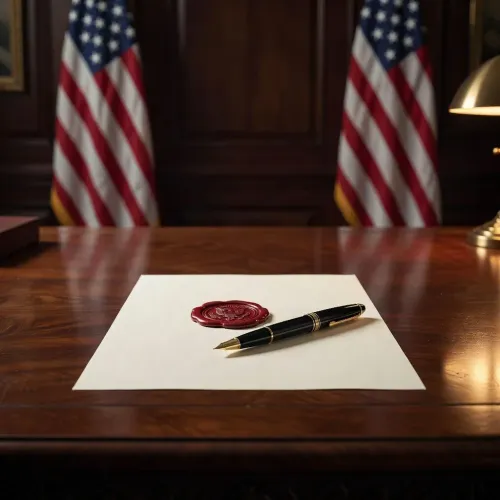
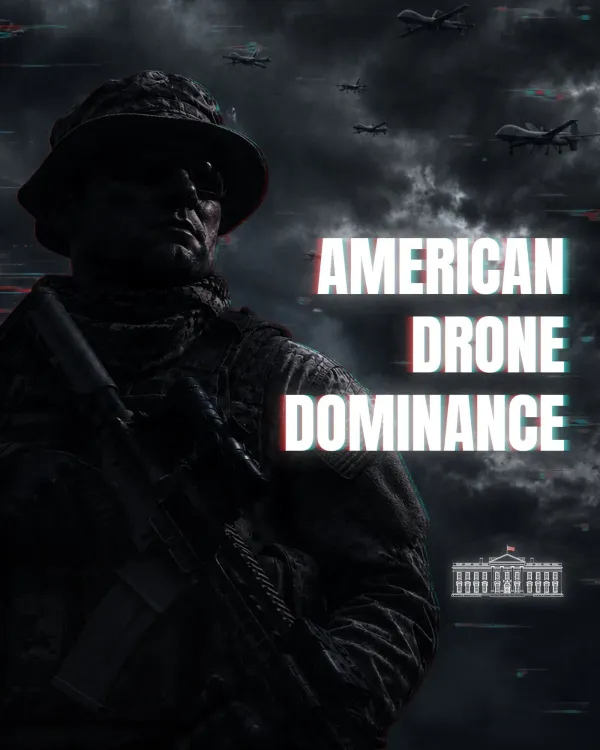
A presidential signature just redrew the boundaries of American drone policy. President Donald Trump signed a proclamation on Friday, August 14, 2026, imposing tariffs on drone imports with the explicit goal of strengthening domestic production and protecting United States national security — a move the White House framed as ensuring the American drone industry is 'second to none.'
Tariffs as a National Security Shield
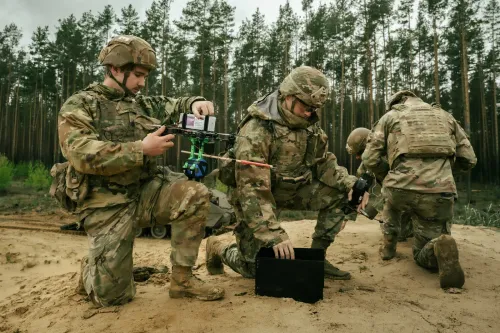
The proclamation follows a well-worn path in Washington's trade-policy playbook. Since 2018, successive administrations have reached for Section 232 and Section 301 tariff authorities — both rooted in national security justifications — to wall off sensitive technology sectors from foreign competition, particularly from China. Drones, with their dual-use applications spanning commercial delivery, law enforcement surveillance, and battlefield reconnaissance, sit squarely in that sensitive category.
The logic is straightforward: an adversary that supplies your drone fleet can, in theory, also disable it. By making imported drones more expensive, the tariffs are designed to tilt procurement decisions — by the Pentagon, federal agencies, and private buyers — toward American-made alternatives.
Building the Defence Industrial Base, One Rotor at a Time
The White House framing of 'building our defense industrial base' signals that this proclamation is not a standalone trade measure but part of a broader industrial strategy. U.S. defence contractors and domestic drone manufacturers stand to gain the most directly, as tariff walls reduce price competition from lower-cost foreign producers.
Historically, such tariff actions have been paired with domestic investment incentives — subsidies, preferential Department of Defense procurement rules, and research grants — to expand American production capacity across aerospace and defence supply chains. Whether accompanying measures of that kind are attached to this proclamation remains to be confirmed from the official text.
What the Proclamation Does Not Yet Reveal
The specific tariff rates, the precise product categories covered, and any phased implementation timeline have not been detailed in public communications so far. Those details will determine whether the measure delivers a sharp competitive shift or a more gradual reshaping of the market. Defence procurement analysts and domestic manufacturers will be watching the fine print closely — the difference between a 10% tariff and a 50% tariff on a military-grade unmanned aerial system is the difference between a nudge and a wall.
For India, which has been deepening defence-technology cooperation with the United States under frameworks like the iCET initiative, any restructuring of American drone export and procurement policy carries implications worth tracking — particularly for joint programmes and technology-transfer negotiations.
The American drone industry just got a presidential guarantee. Whether the industrial base can scale fast enough to meet that ambition is the test that follows.
Point of View
The White House signals legal durability and a clear national-security rationale designed to survive judicial scrutiny. For the broader US defence industrial base, this fits a pattern of demand-side protection paired with supply-side investment — but the real test is whether domestic manufacturers can scale production to meet military and commercial demand without the price discipline that foreign competition provided. For countries like India deepening defence-tech ties with Washington, the move is a signal that the US intends to tighten control over who accesses its drone supply chain.
NationPress
28 Sept 2026
Frequently Asked Questions
Why did Trump sign a drone tariff proclamation?
President Trump signed the proclamation to protect US national security by making imported drones more expensive and incentivising domestic production, reducing dependence on foreign — particularly Chinese — suppliers in a strategically sensitive technology sector.
What is the impact of Trump's drone tariffs on the US defence industry?
US defence contractors and domestic drone manufacturers are the primary beneficiaries, as tariffs reduce price competition from foreign producers and encourage Pentagon and federal procurement to favour American-made unmanned aerial systems.
How does the drone tariff proclamation affect India?
India, which has been expanding defence-technology cooperation with the United States , will watch closely for any changes to drone export rules, technology-transfer terms, and joint programme eligibility that flow from this restructuring of American drone policy.
What is Section 232 and how does it relate to drone tariffs?
Section 232 of the Trade Expansion Act allows the US president to impose tariffs on national security grounds. The Trump administration used it from 2018 onward on steel, aluminium, and technology imports; the drone proclamation follows the same legal and strategic logic.
What details about the drone tariff proclamation are still unknown?
The specific tariff rates, the exact product categories covered, and the implementation timeline have not been publicly confirmed. These details will determine the practical impact on the market and on foreign drone suppliers.