Trump orders talks on robotics, industrial machinery imports over US security
Synopsis
Trump has signed a proclamation ordering negotiations over robotics and industrial machinery imports — citing national security — while reserving the right to impose tariffs, duties, or quotas if talks stall. With a 180-day clock now running and no country named yet, the move is a structured threat: a warning to trading partners that unrestricted access to the US market for advanced manufacturing equipment may soon carry a price.
Key Takeaways
President Trump signed a proclamation on 29 October 2025 ordering negotiations over imports of robotics, industrial machinery, and components .
The Commerce Secretary and US Trade Representative must report progress within 180 days ; no immediate tariff has been imposed.
Trump warned he 'may consider alternative remedies' — including tariffs, duties, quotas, and fees — depending on negotiation outcomes.
The Commerce Secretary found the US depends on foreign suppliers for most robotics and machinery categories, with imports rising over the past decade.
The proclamation flags cybersecurity risks from foreign-supplied machinery integrated into defence and manufacturing systems.
No country is named in the directive; the choice of negotiating partners is left to the Commerce Secretary and trade representative.
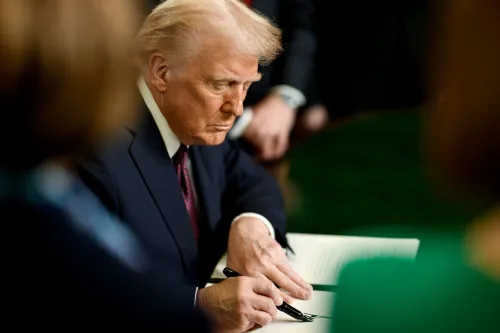
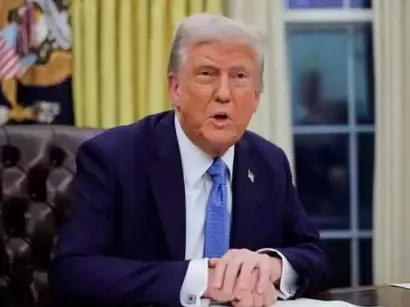
US President Donald Trump on Wednesday, 29 October 2025 signed a proclamation directing the Commerce Secretary and the US Trade Representative to jointly pursue negotiations with trading partners over imports of robotics, industrial machinery, and related components, citing national security concerns. The directive stops short of imposing immediate tariffs but explicitly leaves the door open to future restrictions.
What the Proclamation Directs
The proclamation instructs the two senior trade officials to initiate or continue negotiations and furnish a progress report within 180 days. It does not set a new tariff rate, name specific countries, or announce a completed agreement. The selection of negotiating partners is left to the discretion of the Commerce Secretary and the trade representative.
Officials are also required to keep the president regularly informed, with at least one status update mandated before the 180-day window closes. The proclamation does not stipulate that tariffs will automatically take effect once that period expires.
Trump's Warning on Future Tariffs
'Depending on the status or outcome of such negotiations, I may consider alternative remedies in the future,' Trump stated in the proclamation. Those remedies, as listed in the document, include imposing or modifying tariffs, duties, quotas, and fees. The president also floated the possibility of a dedicated programme to incentivise domestic investment in robotics and industrial machinery production.
National Security Findings
Trump accepted the Commerce Secretary's formal finding that the volume and circumstances of these imports threaten to impair US national security. According to the proclamation, the secretary submitted the underlying investigation report within the preceding 90 days.
The document highlights military applications of advanced robotics — including reconnaissance, casualty extraction, and mine detection and clearance — arguing that automated manufacturing also enables defence producers to scale output during conflict. The Commerce Secretary further identified potential cybersecurity risks posed by equipment supplied by certain foreign entities, noting that such machinery can be integrated into manufacturing and defence systems that process sensitive data.
The Supply Gap Driving the Action
The secretary's findings confirm that the United States depends on foreign suppliers for most categories of robotics, industrial machinery, and components. Imports have risen in value over the past decade and are projected to increase further. Despite growing investment in US manufacturing facilities, domestic output reportedly remains below consumption levels, and capacity is insufficient to meet national security requirements, according to the proclamation.
A separate White House fact sheet framed the negotiations as part of a broader effort to strengthen domestic production and reduce dependence on imported equipment. Neither the fact sheet nor the proclamation, however, announced a concluded deal or quantified new domestic investment resulting from Wednesday's action.
What Comes Next
The Commerce Department is required to continue monitoring imports and assessing their national security implications on an ongoing basis, with an obligation to alert the president to any developments that could warrant further action. Analysts will watch closely whether the 180-day review leads to targeted tariffs, country-specific agreements, or investment incentive packages — each carrying distinct implications for global supply chains and US trading partners.
Point of View
Potentially expanding the universe of products subject to supply-chain scrutiny. For countries deeply integrated into US manufacturing supply chains, the directive is a signal that the rules of access are being renegotiated. The absence of named targets may itself be a negotiating tactic — keeping all partners uncertain and therefore more likely to offer early concessions.
NationPress
29 Oct 2026
Frequently Asked Questions
What did Trump's proclamation on robotics and industrial machinery do?
The proclamation directed the Commerce Secretary and US Trade Representative to negotiate with trading partners over imports of robotics, industrial machinery, and components, citing national security. It does not impose an immediate tariff but gives the officials 180 days to report progress and reserves the right to impose duties, quotas, or fees if talks fail.
Why is the US treating robotics imports as a national security issue?
The Commerce Secretary found that the United States depends on foreign suppliers for most robotics and industrial machinery categories, and that imports have grown over the past decade while domestic capacity remains insufficient to meet defence needs. The proclamation also cites military applications of advanced robots and cybersecurity risks from foreign-supplied equipment embedded in defence systems.
Which countries are targeted by the new US negotiations?
The proclamation does not name any specific country. The selection of negotiating partners is left entirely to the Commerce Secretary and the US Trade Representative, meaning the directive's scope could expand or be applied selectively based on ongoing trade dynamics.
Could tariffs on robotics and machinery imports follow?
Yes, tariffs remain a stated option. Trump's proclamation explicitly says he 'may consider alternative remedies in the future', listing tariffs, duties, quotas, and fees as possibilities depending on how negotiations progress within the 180-day review window.
What is the significance of the 180-day deadline?
The 180-day period is the window within which the Commerce Secretary and trade representative must provide at least one progress update to the president. The proclamation does not mandate automatic tariffs when the period ends, but it creates a defined review point at which further escalatory action becomes more likely if talks have stalled.