Samsung Electronics Q3 2026: Record profit as memory chip sales surge 514%
Synopsis
Samsung Electronics just became the first technology company in history to post quarterly operating profit above 100 trillion won — a milestone built almost entirely on AI-driven HBM4 memory demand. Net profit jumped more than six-fold and HBM4 revenue tripled quarter-on-quarter. Yet the stock fell, because even a historic beat can disappoint when the bar has been set in the stratosphere.
Key Takeaways
Samsung Electronics reported Q3 2026 net profit of 75.13 trillion won ($56.2 billion) , up 514.6 percent year-on-year.
Operating profit hit 107.44 trillion won — making Samsung the first global tech company to exceed 100 trillion won in quarterly operating profit.
The semiconductor division generated 106.5 trillion won in operating profit, or 99.1 percent of the company's total.
HBM4 chip revenue more than tripled quarter-on-quarter, driven by AI server demand.
This marks the fourth consecutive quarter of record quarterly revenue and operating profit.
Shares fell in Seoul despite the record results, as earnings came in slightly below analyst expectations.
Samsung Electronics on Thursday, 29 October 2026 reported a more than six-fold surge in third-quarter net profit, with its memory chip division — supercharged by artificial intelligence infrastructure demand — driving the company to a historic milestone: the first global technology firm to post quarterly operating profit exceeding 100 trillion won.
Record-Breaking Numbers
Net profit for the July–September 2026 quarter reached 75.13 trillion won (approximately $56.2 billion), a 514.6 percent jump from 12.22 trillion won in the same period a year earlier, according to a regulatory filing by the world's largest memory chipmaker. Operating profit surged 783.1 percent year-on-year to 107.44 trillion won, while revenue climbed 126.9 percent to 195.25 trillion won.
The company also posted record quarterly revenue and operating profit for the fourth consecutive quarter, extending a winning streak that began in the fourth quarter of 2025.
Semiconductors at the Centre of the Surge
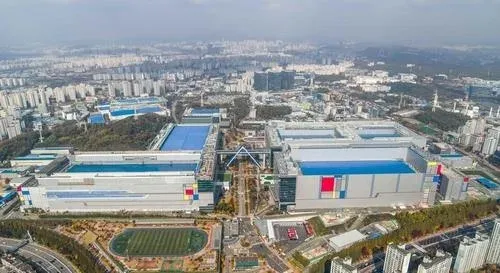
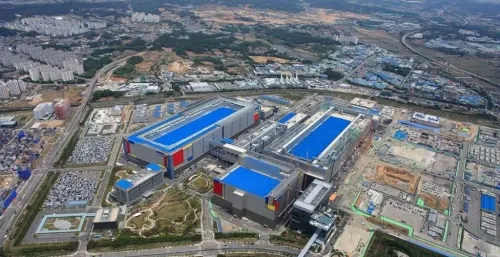
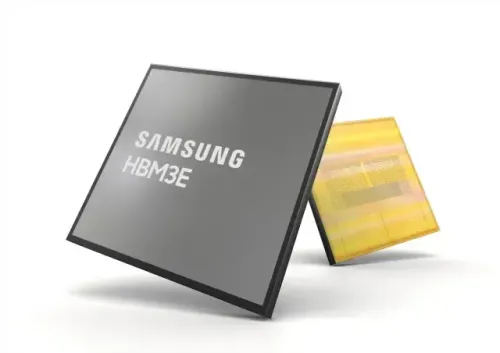
Samsung's semiconductor division dominated the earnings picture, contributing an operating profit of 106.5 trillion won — accounting for 99.1 percent of the company's total operating profit for the quarter. The division's outperformance was driven by expanded sales of sixth-generation High Bandwidth Memory 4 (HBM4) chips and proactive fulfilment of AI server demand, with the unit setting a record for the second consecutive quarter.
Revenue from HBM4 chips more than tripled in the third quarter compared with the previous quarter. Notably, Samsung was the first in the industry to begin mass production and shipments of HBM4 chips, giving it a structural edge in the AI memory supply chain.
'It appears that our goal of securing an HBM market share equivalent to our overall DRAM market share in the second half of this year was already achieved in the third quarter,' the company said during its earnings call.
AI Boom Fuels Demand Outlook
Samsung expects memory chip demand to keep growing in the fourth quarter of 2026, underpinned by sustained global investment in AI infrastructure. Looking further ahead, the company forecasts the semiconductor industry will remain strong through 2027, supported by record-level AI capital expenditure and ongoing supply constraints that are keeping pricing firm.
This comes amid broader industry debate over the long-term profitability trajectory of the AI market, with some analysts cautioning that the current investment cycle could plateau. Samsung, however, has taken an optimistic stance, with plans to prioritise profitability by expanding premium product sales during the year-end peak shopping season.
Market Reaction: Results Miss Analyst Targets
Despite the historic figures, Samsung Electronics shares fell sharply in late Thursday morning trading in Seoul, as the results came in slightly below analyst expectations. The sell-off underscores how elevated market anticipation had already priced in a significant beat — a recurring dynamic in AI-cycle earnings seasons where consensus estimates race ahead of disclosures.
With the fourth quarter traditionally its strongest for device sales, Samsung is expected to lean on premium memory and consumer electronics to sustain its profit trajectory into early 2027.
Point of View
But the share price decline tells a more nuanced story: the AI memory trade is now so well understood that markets price in the extraordinary before results arrive. The deeper question is concentration risk — with semiconductors generating 99.1 percent of operating profit, Samsung's earnings are essentially a single-variable bet on AI capex cycles. Should hyperscaler spending moderate even briefly, the company's diversified identity as a consumer electronics giant offers little cushion. The HBM4 dominance is real, but sustaining it requires staying ahead of SK Hynix in next-generation HBM5 development, where the race is already under way.
NationPress
29 Oct 2026
Frequently Asked Questions
What were Samsung Electronics' Q3 2026 earnings?
Samsung Electronics reported Q3 2026 net profit of 75.13 trillion won (approximately $56.2 billion), a 514.6 percent year-on-year increase. Operating profit surged 783.1 percent to 107.44 trillion won, while revenue rose 126.9 percent to 195.25 trillion won.
Why did Samsung's profit jump so sharply in Q3 2026?
The surge was driven almost entirely by its semiconductor division, which contributed 99.1 percent of total operating profit. Expanded sales of sixth-generation HBM4 memory chips for AI servers, combined with tripling of HBM4 revenue quarter-on-quarter, were the primary catalysts.
What is HBM4 and why does it matter for Samsung?
HBM4, or sixth-generation High Bandwidth Memory 4, is a premium chip used in AI servers and data centre accelerators. Samsung was the first company in the industry to begin mass production and shipments of HBM4, giving it a first-mover advantage in one of the fastest-growing chip segments.
Why did Samsung's share price fall despite record earnings?
Shares fell in Seoul on Thursday morning because the results, while historic, came in slightly below analyst expectations. Markets had priced in an even larger beat, reflecting how elevated consensus estimates had become ahead of the announcement.
What is Samsung's outlook for the rest of 2026 and 2027?
Samsung expects memory chip demand to continue growing in Q4 2026, supported by sustained AI infrastructure investment. For 2027, the company forecasts the semiconductor industry will remain strong, backed by record AI capital expenditure and supply constraints.