Samsung Q2 profit hits record 89.4 trillion won on AI chip surge

Synopsis
Samsung's Q2 profit estimate of 89.4 trillion won is more than double its entire 2026 full-year earnings — in a single quarter. Powered by the AI chip supercycle and its first-mover lead in HBM4 production, Samsung is rewriting what a technology earnings record looks like, even as its consumer electronics arm lags and peak-cycle concerns quietly mount.
Key Takeaways
Samsung Electronics projected Q2 operating profit at 89.4 trillion won (approx.
US$58.8 billion ), up 1,181% year-on-year.
Excluding bonus provisions, quarterly profit is estimated at around 100 trillion won .
Q2 revenue is estimated at 171 trillion won , up 129.3% year-on-year.
This would mark a third consecutive record quarter for both revenue and operating profit.
Samsung became the first chipmaker to begin mass production of sixth-generation HBM4 chips.
Analysts expect the semiconductor supply shortage to persist through at least 2027 , supporting elevated chip prices.
Samsung Electronics on Tuesday, 7 July projected its second-quarter operating profit at 89.4 trillion won (approximately US$58.8 billion), a year-on-year surge of 1,181 percent, as relentless global demand for artificial intelligence (AI)-related semiconductors drove another quarterly record for the South Korean technology giant.
Record Numbers in Context
The figure exceeded the average market forecast by 6.2 percent, according to financial data. The estimate accounts for provisions tied to employee bonuses; excluding those provisions, quarterly operating profit is estimated to have reached approximately 100 trillion won.
For context, Samsung Electronics posted an operating profit of 43.6 trillion won for the entirety of 2025. The single-quarter estimate for April–June 2026 is more than double that full-year figure — a striking illustration of how sharply the AI-driven semiconductor cycle has accelerated.
Second-quarter revenue is estimated to have climbed 129.3 percent year-on-year to 171 trillion won. Net profit figures were not included in the preliminary guidance. If the numbers are confirmed when the final earnings report is released later this month, Samsung will have posted record quarterly revenue and operating profit for a third consecutive quarter, stretching back to the fourth quarter of last year.
The Bonus Provision Factor
Under a high-profile wage agreement finalised in May, Samsung will grant a special semiconductor performance bonus equivalent to 10.5 percent of business performance earnings. The bonuses will be paid in company stock over a minimum of 10 years and are tied to performance targets within Samsung's semiconductor division. The total provision for these bonuses is estimated at around 20 trillion won, which explains the gap between the headline figure and the pre-provision estimate of roughly 100 trillion won.
AI Supercycle Driving the Surge
The strong performance is widely attributed to sustained global investment in AI infrastructure, which has intensified supply shortages of semiconductors and kept memory chip prices elevated. Samsung's device solutions unit — which houses the semiconductor segment — is believed to have accounted for a dominant share of the quarter's earnings, though the company did not provide a divisional breakdown in its preliminary guidance.
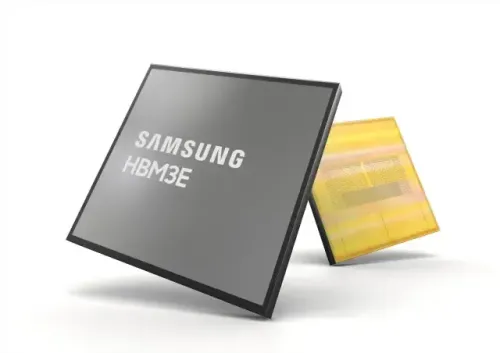
Samsung has also expanded its portfolio of higher-value products, becoming the first company in the industry to begin mass production and shipments of sixth-generation high-bandwidth memory (HBM4) chips. Memory chipmakers are increasingly prioritising high-end products to meet AI data centre demand, which is simultaneously tightening supplies of conventional DRAM and NAND flash products.
Analysts expect the supply shortage to persist through at least 2027, reinforcing the pricing power of Samsung and its principal rivals, SK Hynix Inc. and Micron Technology Inc.
Risks and the Road Ahead
Not all signals are uniformly positive. Samsung's device experience unit — responsible for consumer electronics and mobile products — is expected to have posted comparatively weak results for the quarter. Some industry observers have also raised concerns that the semiconductor sector's rapid growth could peak in the near term.
Samsung, however, has continued to sign long-term supply agreements with major technology companies and is expanding production capacity to meet projected medium-to-long-term demand. The full-year operating profit consensus has edged up to 37.4 trillion won from 36.6 trillion won, reflecting the improved semiconductor outlook. Industry observers broadly expect favourable market conditions to continue through at least next year, with the final quarterly earnings report due later in July 2026.
Point of View
But the 1,181 percent profit jump also reflects how severely the AI infrastructure build-out has distorted normal semiconductor supply-demand curves. The risk mainstream coverage underplays is concentration: Samsung's blowout is almost entirely a semiconductor story, while its consumer electronics and mobile divisions quietly underperform. If AI capex spending plateaus — as some hyperscalers have hinted — the same leverage that amplified gains on the way up will work sharply in reverse. The 10-year stock-based bonus structure is also worth watching: it aligns management with long-term chip performance targets, but it also bakes in a bet that the supercycle is structural, not cyclical.
NationPress
5 Oct 2026
Frequently Asked Questions
What is Samsung's Q2 2026 operating profit estimate?
Samsung Electronics estimated its second-quarter operating profit at 89.4 trillion won (approximately US$58.8 billion), a year-on-year increase of 1,181 percent. The figure exceeds the average market forecast by 6.2 percent and represents the company's third consecutive record quarter.
Why did Samsung's profits surge so sharply?
The surge is primarily driven by sustained global investment in AI infrastructure, which has intensified semiconductor supply shortages and kept memory chip prices elevated. Samsung also benefited from being the first chipmaker to begin mass production of sixth-generation HBM4 chips, commanding higher margins on premium products.
What is the Samsung semiconductor bonus provision and how does it affect profits?
Under a wage agreement finalised in May, Samsung will pay a special semiconductor performance bonus equivalent to 10.5 percent of business performance earnings, disbursed in company stock over at least 10 years. The provision for these bonuses is estimated at around 20 trillion won, reducing the headline Q2 profit figure from an estimated 100 trillion won to the reported 89.4 trillion won.
How does Samsung's Q2 2026 profit compare to its full-year 2025 earnings?
Samsung's estimated Q2 2026 operating profit of 89.4 trillion won is more than double its full-year 2025 operating profit of 43.6 trillion won — meaning a single quarter's earnings have surpassed an entire prior year.
How long is the AI chip supply shortage expected to last?
Analysts expect the semiconductor supply shortage to persist through at least 2027, which is expected to sustain elevated pricing power for Samsung and its key rivals SK Hynix and Micron Technology. Industry observers broadly anticipate favourable market conditions to continue through at least next year.