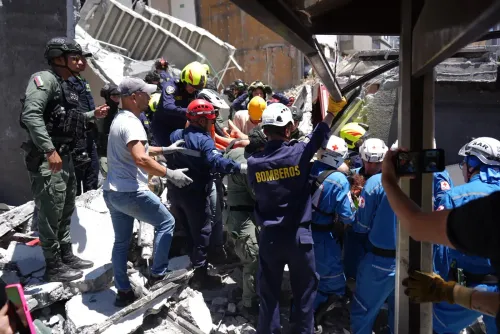
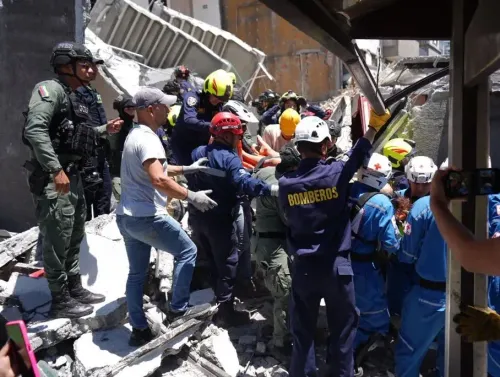
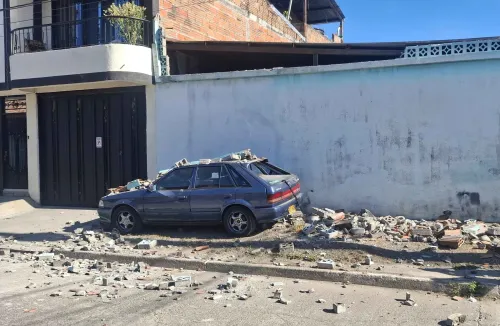
Colombia earthquake death toll climbs to 273 after 7.4-magnitude quake
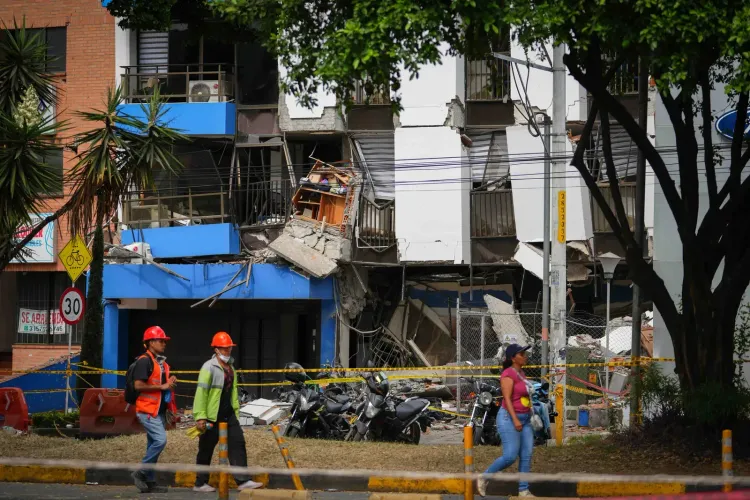
Synopsis
Colombia's 7.4-magnitude earthquake has killed 273 people, left 377 missing, and destroyed over 12,500 homes — with an aftershock of 4.2 magnitude striking the same epicentre days later. As the UN mobilises food and medical aid, disrupted roads and communications are still blocking relief from reaching the hardest-hit communities in Choco.
Key Takeaways
The death toll from Monday's 7.4-magnitude earthquake in Colombia has risen to 273 as of 14 August .
97,515 people across 40,753 families have been affected; 3,824 are injured and 377 remain missing.
12,584 homes destroyed and 74,873 damaged; 172 buildings collapsed; 2,198 schools and 216 health centres affected.
A 4.2-magnitude aftershock struck near San Jose del Palmar in Choco on Thursday at 9:42 am local time .
The WFP and WHO are dispatching food and medical supplies; OCHA is coordinating international humanitarian response.
The death toll from Monday's 7.4-magnitude earthquake in Colombia has climbed to 273, according to David Tamayo, director of the National Unit for Disaster Risk Management, who addressed a press conference on 14 August. The disaster has left 97,515 people affected across the country, with rescue operations still ongoing in the hardest-hit zones.
Scale of Human Loss
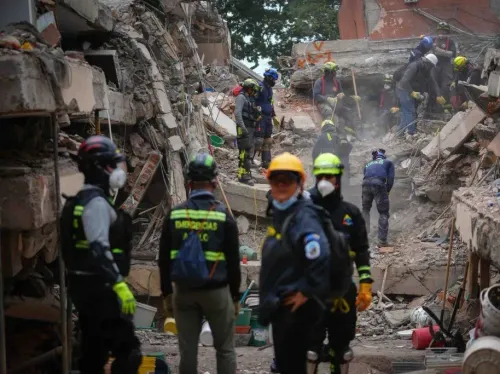
'We have the report of 40,753 affected families, 97,515 affected people and 273 deaths. Of those 273 deaths, 250 bodies have arrived at Legal Medicine, 227 have been identified and 189 have been handed over to their families,' Tamayo said. He added that the quake left 3,824 people injured and 377 missing, with search and rescue teams continuing to comb through rubble with rescue dogs.
Infrastructure Damage
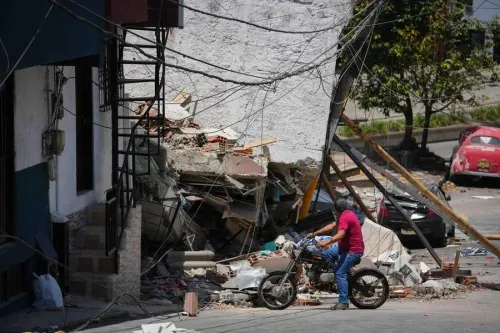
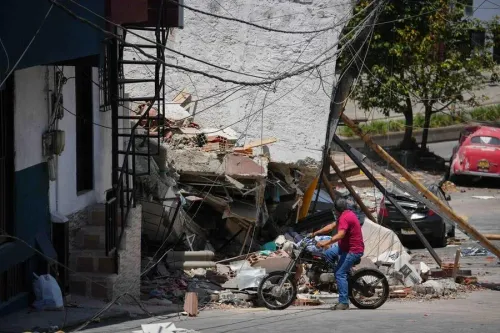
The destruction to Colombia's built environment is extensive. According to Tamayo, 12,584 homes were destroyed and a further 74,873 damaged. The earthquake caused 172 buildings to collapse and affected 2,198 schools and educational institutions, 825 community centres, 216 health centres, and five airports. Authorities are deploying satellite technology and high-resolution imagery to assess and monitor the full extent of the damage.
Aftershock Recorded Near Epicentre
The Colombian Geological Service recorded a new 4.2-magnitude tremor on Thursday at 9:42 am local time (14:42 GMT) near San Jose del Palmar, in the northwestern department of Choco — the same area that served as the epicentre of Monday's devastating quake. The aftershock has raised concerns among relief workers operating in already-fragile structures.
International Humanitarian Response
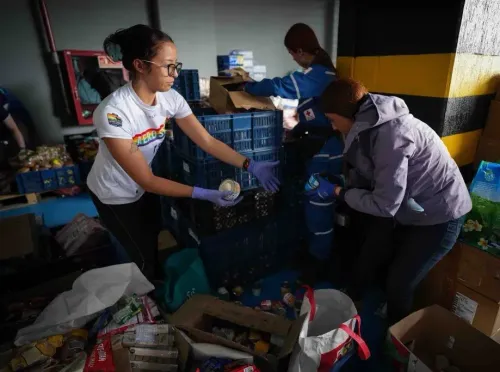
The UN Office for the Coordination of Humanitarian Affairs (OCHA) and its partners are actively supporting the government-led relief effort. The World Food Programme (WFP) is dispatching food supplies, while the World Health Organization (WHO) is sending medical supplies from in-country warehouses. OCHA has flagged that disruptions to communications, transport, and public services continue to hamper relief delivery, particularly in the worst-affected areas. Emergency shelter, food, safe drinking water, and healthcare remain the top humanitarian priorities.
What Comes Next
Humanitarian assessments are ongoing across the most severely impacted communities. With 377 people still missing, search and rescue operations remain critical. The international community's mobilisation signals a prolonged relief phase ahead, as Colombia works to restore essential services and begin rebuilding thousands of destroyed homes.
Point of View
Yet the infrastructure numbers tell an equally grim story: over 87,000 homes damaged or destroyed and five airports affected in a region where connectivity was already fragile. The 4.2-magnitude aftershock near the original epicentre in Choco adds a dangerous variable for rescue teams working in structurally compromised buildings. What the official figures do not yet capture is the medium-term displacement crisis: with 2,198 schools affected, the disruption to children's education and community anchors will outlast the headlines by months. The speed and scale of the UN mobilisation is notable, but the acknowledged breakdown in transport and communications in Choco suggests that aid is still not reaching those who need it most.
NationPress
28 Sept 2026
Frequently Asked Questions
How many people have died in the Colombia earthquake?
The death toll from Monday's 7.4-magnitude earthquake in Colombia has risen to 273, according to David Tamayo, director of the National Unit for Disaster Risk Management, as of 14 August. Of those, 227 bodies have been formally identified and 189 handed over to families.
Where was the epicentre of the Colombia earthquake?
The epicentre of the 7.4-magnitude earthquake was in San Jose del Palmar, in the northwestern department of Choco, Colombia. A follow-up 4.2-magnitude aftershock struck the same area on Thursday at 9:42 am local time.
How many people are still missing after the Colombia quake?
According to official figures, 377 people remain missing following the earthquake. Search and rescue teams are continuing to work with rescue dogs to locate survivors under the rubble.
What is the scale of infrastructure damage from the Colombia earthquake?
The earthquake destroyed 12,584 homes and damaged 74,873 more. It caused 172 building collapses and affected 2,198 schools, 825 community centres, 216 health centres, and five airports across the affected region.
What international aid is being provided to Colombia after the earthquake?
The UN Office for the Coordination of Humanitarian Affairs (OCHA) is coordinating international support alongside the Colombian government. The World Food Programme is sending food supplies, and the World Health Organization is dispatching medical supplies from in-country warehouses. Emergency shelter, safe drinking water, and healthcare are the stated top priorities.