Colombia declares 30-day emergency after 7.4 quake kills 319
Synopsis
A single decree has placed 15 Colombian departments under a 30-day emergency — the government's most sweeping crisis response in memory. With 319 dead, 260 still missing, and nearly 273,000 people displaced after the 10 August quake, President de la Espriella is betting extraordinary fiscal powers and international aid can hold together a country he says is already at its most strained financial point in history.
Key Takeaways
Colombian President Abelardo de la Espriella signed a 30-day emergency decree on Wednesday, 20 August , covering 15 departments .
The 7.4-magnitude earthquake struck western Colombia on 10 August , killing 319 people, injuring 4,469 , and leaving 260 missing.
Approximately 272,830 people across 476 municipalities have been affected.
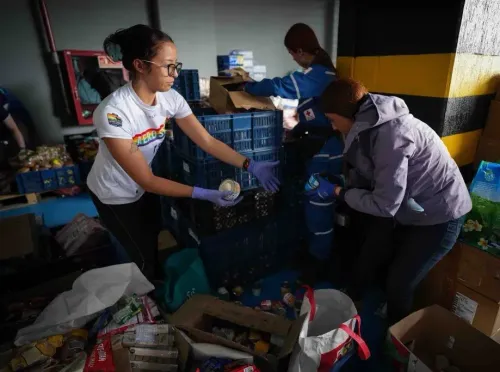
More than 220 tonnes of humanitarian aid has arrived, with 144 international specialists supporting rescue operations.
The president acknowledged Colombia faces the 'most complex' fiscal situation in its republican history, necessitating spending cuts on non-priority programmes.
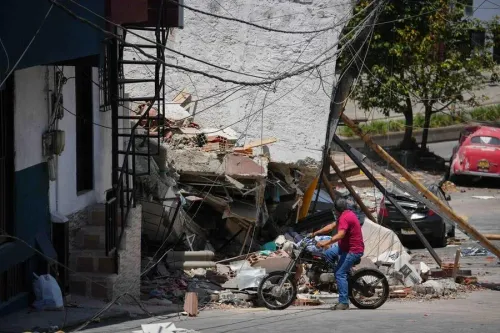
Colombian President Abelardo de la Espriella has signed a decree declaring a 30-day state of economic, social, and ecological emergency across 15 departments struck by the 7.4-magnitude earthquake that hit western Colombia on 10 August. The decree, formalised following a cabinet meeting in Bogota on Wednesday, covers hard-hit departments including Valle del Cauca, Risaralda, and Caldas, as authorities respond to what the government has described as a grave public calamity.
Scale of the Disaster
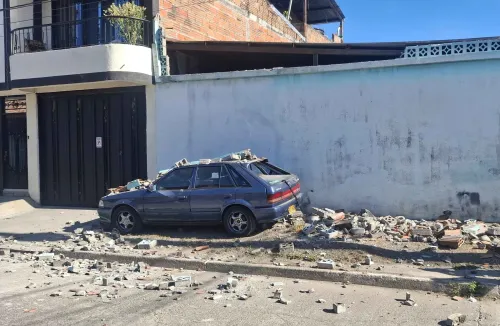
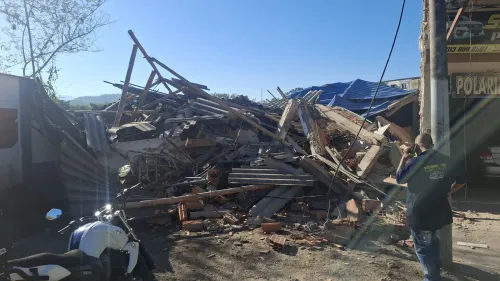
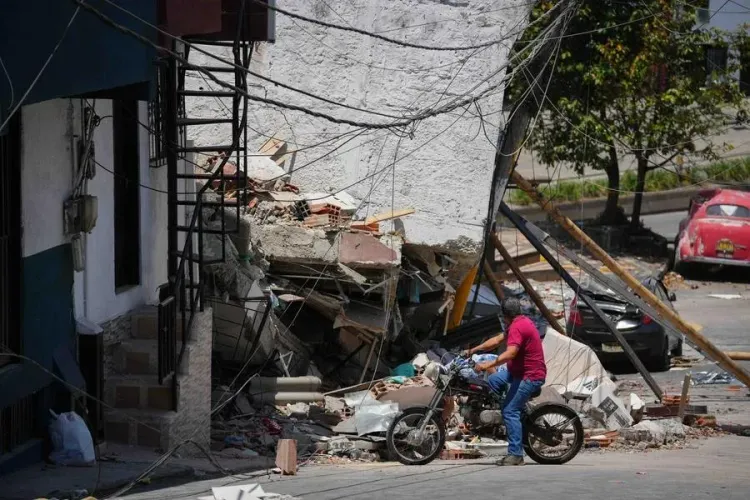
According to figures released by Colombia's National Unit for Disaster Risk Management as of Wednesday evening, the earthquake had killed 319 people, injured 4,469, and left 260 missing. A total of 364 people had been rescued from the rubble. The agency confirmed that 476 municipalities across the 15 affected departments had been impacted, with approximately 272,830 people affected by the disaster.
What the Emergency Decree Covers
President de la Espriella said the emergency measures were designed not only to rebuild damaged homes but also to restore businesses and essential public infrastructure, including schools and hospitals. He acknowledged that Colombia was facing what he called the 'most complex' fiscal situation in the country's republican history, making extraordinary intervention necessary.
The president added that his government would redirect spending away from non-priority programmes inherited from the previous administration to address current national needs, while ensuring the most vulnerable citizens were shielded from further hardship.
International Response
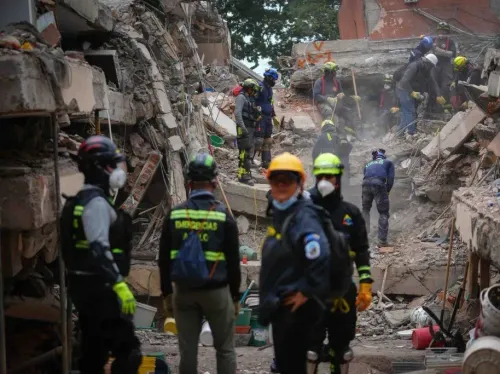
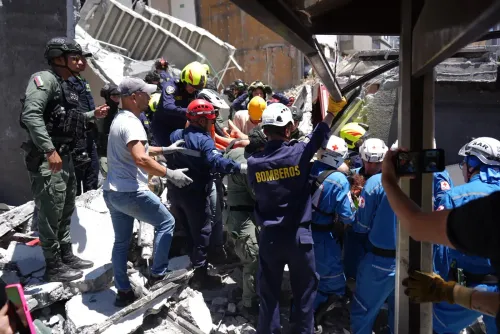
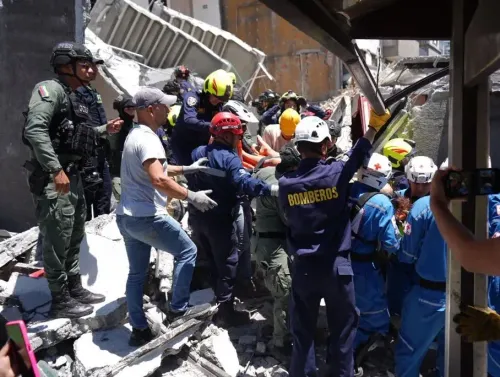
Colombia's Foreign Ministry reported that more than 220 tonnes of humanitarian aid had arrived in the country, and 144 international specialists had joined emergency response operations. National and international search-and-rescue teams continued combing through debris to locate the 260 people still unaccounted for, with 358 people reportedly rescued so far, according to separate agency tallies.
Many displaced residents remained in temporary shelters and tents set up in parks across the worst-affected zones of Valle del Cauca, Risaralda, and Choco.
What Comes Next
The 30-day emergency window gives the Colombian government expanded legal and fiscal powers to fast-track reconstruction contracts and disburse relief funds without standard procurement delays. With the death toll still subject to revision as search operations continue, authorities face mounting pressure to accelerate shelter, medical, and infrastructure support for the nearly 273,000 people whose lives have been upended by the disaster.
Point of View
Raising questions about how far international aid can fill the gap. With 260 people still missing and nearly 273,000 displaced, the 30-day window is tight. The harder test will come at day 31, when extraordinary powers lapse and the slower, costlier work of rebuilding schools, hospitals, and livelihoods must continue through normal fiscal channels that the president himself has described as inadequate.
NationPress
5 Oct 2026
Frequently Asked Questions
What emergency has Colombia declared after the earthquake?
Colombian President Abelardo de la Espriella signed a decree on 20 August declaring a 30-day state of economic, social, and ecological emergency across 15 departments affected by the 10 August earthquake. The measure grants the government expanded powers to fast-track reconstruction and relief funding.
How many people have been killed or affected by the Colombia earthquake?
As of Wednesday evening, the 7.4-magnitude earthquake had killed 319 people, injured 4,469, and left 260 missing, according to Colombia's National Unit for Disaster Risk Management. Approximately 272,830 people across 476 municipalities have been impacted.
Which regions of Colombia were worst hit by the earthquake?
The departments of Valle del Cauca, Risaralda, Caldas, and Choco were among the hardest hit. The emergency decree covers 15 departments in total across western Colombia.
What international aid has Colombia received?
Colombia's Foreign Ministry confirmed that more than 220 tonnes of humanitarian aid had arrived in the country by 20 August, with 144 international specialists joining emergency response and search-and-rescue operations.
Why did President de la Espriella describe the fiscal situation as the most complex in Colombia's history?
The president said the scale of the earthquake disaster, combined with pre-existing budget pressures, had placed Colombia in its most difficult fiscal position since the republic was founded. He indicated the government would cut spending on non-priority programmes from the previous administration to fund emergency relief without further burdening the most vulnerable citizens.