Colombia earthquake death toll climbs to 312, over 30,000 homes destroyed
Synopsis
Colombia's earthquake death toll has climbed to 312, with nearly 30,000 homes destroyed and 290 people still missing — and the numbers may not be final. As 144 international specialists work through the rubble, India has stepped in as one of the earliest bilateral responders, airlifting 20 metric tonnes of relief supplies in a move that underscores New Delhi's growing role in global disaster diplomacy.
Key Takeaways
Colombia's earthquake death toll has risen to 312 , with 4,611 injured and 290 still missing as of 19 August .
The magnitude 7.4 quake struck near San Jose del Palmar on 10 August at a depth of 96 kilometres .
Nearly 30,000 homes were destroyed and over 134,000 others damaged across 470 municipalities in 15 departments .
358 people have been rescued; 144 international specialists and over 220 tonnes of aid have reached Colombia.
India dispatched 20 metric tonnes of relief supplies; EAM S.
Jaishankar confirmed the shipment via a post on X.
Hardest-hit regions include Valle del Cauca , Risaralda , and Choco , with displaced families sheltering in temporary camps.
The death toll from the magnitude 7.4 earthquake that struck western Colombia has risen to 312, with 4,611 people injured and 290 still missing, according to local authorities. The disaster, which originated near San Jose del Palmar at a depth of 96 kilometres on 10 August, has emerged as one of the most destructive seismic events in Colombia's recent history.
Scale of Destruction
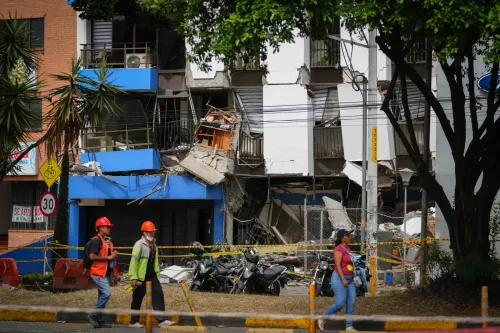
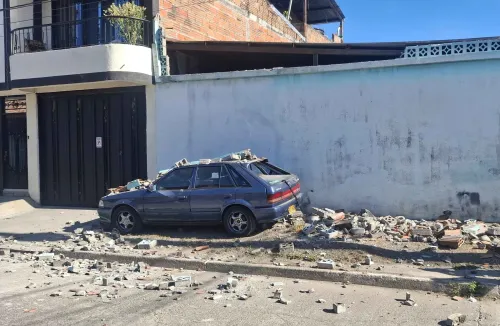
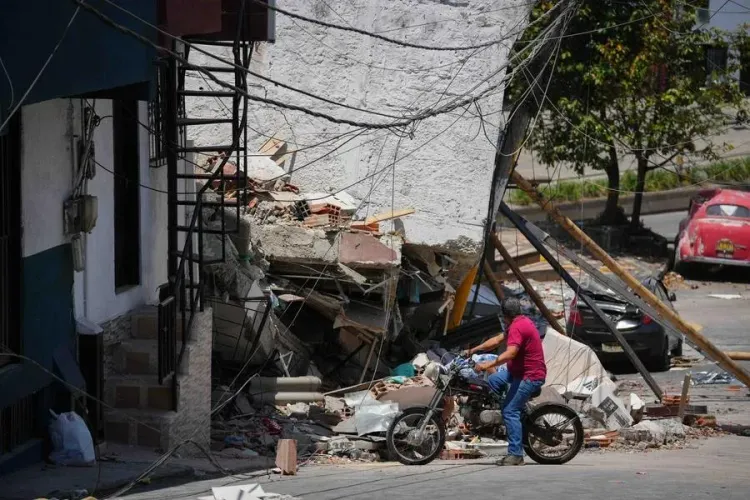
Colombia's National Unit for Disaster Risk Management reported that the earthquake has affected 470 municipalities across 15 departments. A total of 277 buildings have collapsed, while nearly 30,000 homes have been destroyed and over 134,000 others damaged. The hardest-hit regions include Valle del Cauca, Risaralda, and Choco, where large numbers of displaced residents are sheltering in temporary camps and tents in public parks.
Search and Rescue Operations
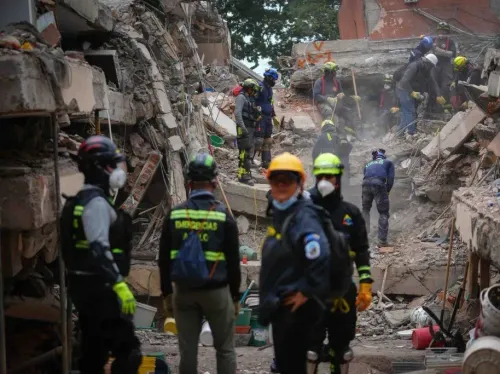
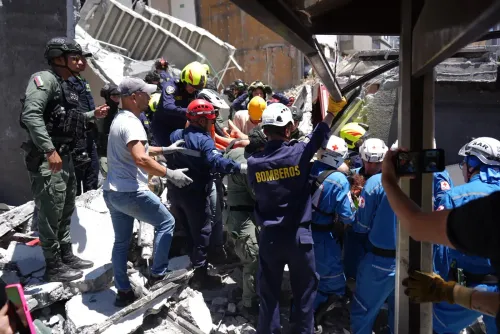
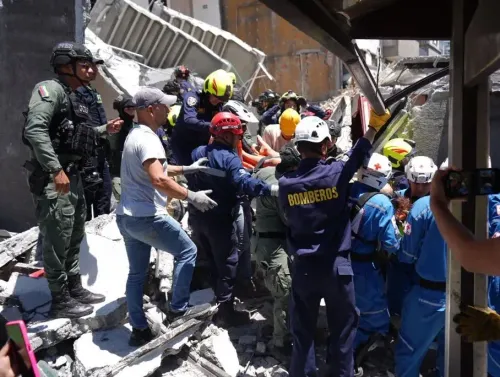
National and international search-and-rescue teams have continued combing through the rubble in the days since the quake struck at 7:34 am local time. So far, 358 people have reportedly been rescued from the debris. Colombia's Foreign Ministry confirmed that more than 220 tonnes of humanitarian aid has reached the country, with 144 international specialists now supporting emergency response efforts on the ground.
India's Solidarity and Relief Contribution
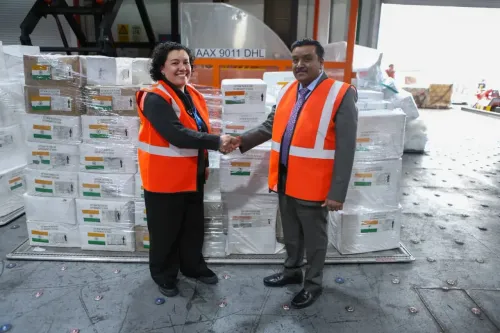
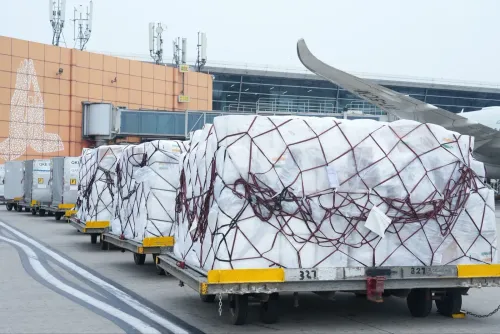
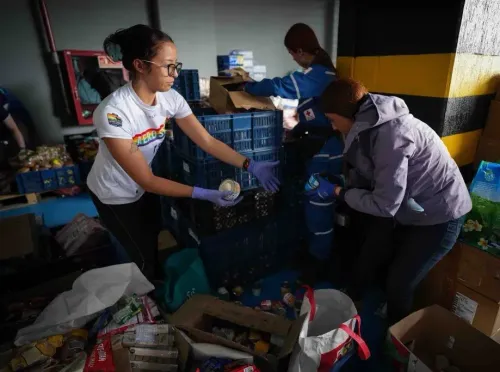
External Affairs Minister S. Jaishankar announced that India dispatched the first tranche of 20 metric tonnes of relief supplies to Colombia to support post-earthquake recovery. The consignment includes medicines and medical equipment, temporary shelter materials, hygiene supplies, and other essential items. In a post on X, Jaishankar wrote: 'Dispatched the first tranche of the 20 MT relief supplies to Colombia to support ongoing post-earthquake recovery efforts. The assistance includes medicines and medical equipment, temporary shelter and hygiene support, and other essential items needed in the aftermath of the disaster. India stands in solidarity with the people of Colombia during these difficult times.'
The gesture reinforces India's established role as a first responder in international natural disasters, having extended similar assistance to several nations in recent years.
What the Numbers Reveal
Earlier figures from the National Unit for Disaster Risk Management placed the affected population at 102,105 people across 44,936 families in 426 municipalities. Updated assessments now indicate the crisis has widened to 470 municipalities, suggesting the full extent of damage is still being tallied. With 290 people still unaccounted for, the death toll may continue to rise as rescue teams clear rubble in remote areas.
What Comes Next
International aid pipelines remain active, with more relief consignments expected in the coming days. Colombian authorities are working to transition displaced families from makeshift shelters to more stable accommodations. The Colombian Geological Service continues to monitor aftershock activity in the region. The scale of structural damage — particularly the destruction of over 30,000 homes — points to a prolonged recovery that will require sustained international support well beyond the immediate emergency phase.
Point of View
000 homes damaged, the structural vulnerability of Colombia's western settlements — many of them informal or low-income — is the real story behind the death toll. India's early bilateral response is notable, but 20 metric tonnes of supplies against a disaster of this scale is a symbolic gesture at best; the sustained reconstruction phase, which rarely draws headlines, will be the true test of international solidarity. The 290 still missing also mean the final toll is far from settled.
NationPress
3 Oct 2026
Frequently Asked Questions
What is the current death toll from the Colombia earthquake?
The death toll from the magnitude 7.4 earthquake in Colombia has risen to 312, according to local authorities, with 4,611 people injured and 290 still missing as of 19 August. Search-and-rescue operations are ongoing, and the toll may rise further.
Where did the Colombia earthquake strike and how powerful was it?
The earthquake struck western Colombia near San Jose del Palmar on 10 August at 7:34 am local time, registering a magnitude of 7.4. The Colombian Geological Service recorded its depth at 96 kilometres.
How many homes and buildings were damaged in the Colombia earthquake?
According to the National Unit for Disaster Risk Management, 277 buildings collapsed, nearly 30,000 homes were destroyed, and over 134,000 others were damaged. The disaster has affected 470 municipalities across 15 departments.
What relief aid has India sent to Colombia?
India dispatched the first tranche of 20 metric tonnes of relief supplies to Colombia, including medicines, medical equipment, temporary shelter materials, and hygiene items. External Affairs Minister S. Jaishankar confirmed the shipment and expressed India's solidarity with the Colombian people.
How many international responders are helping in Colombia?
As of the latest reports, 144 international specialists have joined emergency response efforts in Colombia, and more than 220 tonnes of humanitarian aid has arrived in the country. A total of 358 people have reportedly been rescued from the rubble so far.