Gujarat empowers district collectors to fast-track fodder aid in rain-deficit areas
Synopsis
Gujarat has handed district collectors direct authority to mobilise fodder for cattle in rain-scarce zones — bypassing the usual approval chain. With IMD forecasting below-normal rainfall from mid-July and parts of the state already dry while others flooded, the Cabinet move is a pre-emptive strike against a livestock feed crisis that could deepen as the monsoon season unfolds.
Key Takeaways
The Gujarat Cabinet on 15 July empowered district collectors to make immediate fodder arrangement decisions in areas with deficient rainfall.
The move removes the need for higher-level approvals, allowing faster, localised responses to cattle feed shortages.
Gaushalas , panjarapoles , and individual livestock owners in rain-scarce districts are the primary beneficiaries.
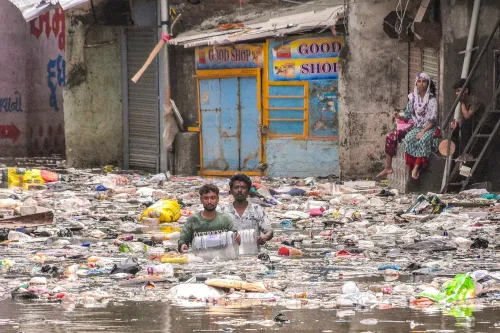
Rainfall has been uneven this monsoon — Surat and south Gujarat saw flooding in early July while other regions remain dry.
The IMD has forecast a weakening monsoon spell and below-normal rainfall from mid-July across parts of the country.
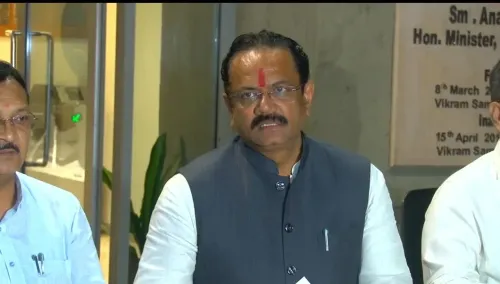
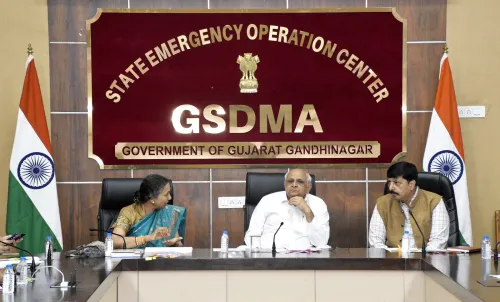
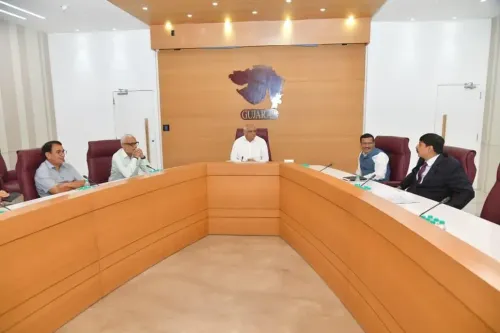
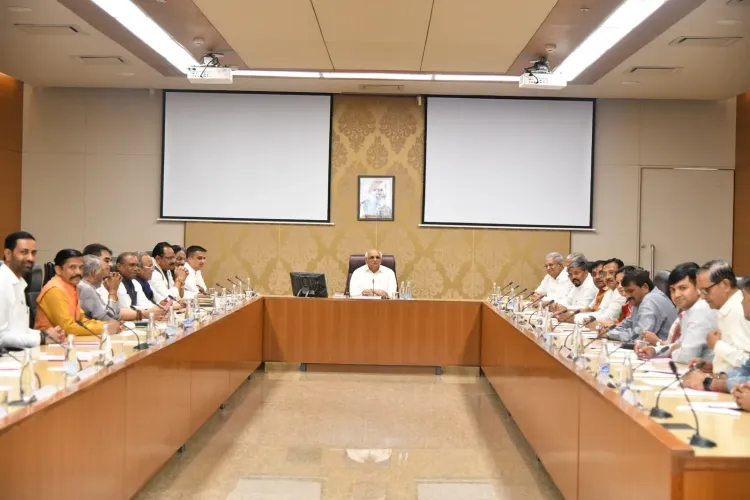
Deputy CM Harsh Sanghavi announced the decision after a Cabinet meeting chaired by CM Bhupendra Patel .
The Gujarat Cabinet on Wednesday, 15 July delegated authority to district collectors to take immediate decisions on fodder arrangements for cattle in areas experiencing deficient rainfall, cutting through longer administrative approval chains. The move is aimed at ensuring that gaushalas, panjarapoles, and individual livestock owners in rain-scarce zones receive timely assistance without bureaucratic delays.
What the Cabinet Decided
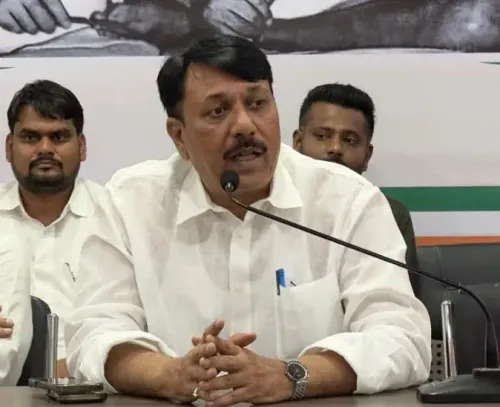
Deputy Chief Minister Harsh Sanghavi announced the decision following a Cabinet meeting chaired by Chief Minister Bhupendra Patel. Under the new arrangement, collectors no longer need to wait for higher-level approvals before mobilising fodder supplies — they can act on ground conditions in their respective districts as soon as a shortage is identified.
'This authority has now been given directly to the Collectors so that the time taken in the process is reduced and they can take decisions immediately based on the situation in their respective districts,' Sanghavi said.
Why the Move Was Necessary
Rainfall has been sharply uneven across Gujarat during the current monsoon season. While Surat and parts of south Gujarat were hit by exceptionally heavy rainfall and flooding in the first week of July, several other regions have recorded comparatively lower rainfall, creating a patchwork of localised fodder stress.
The India Meteorological Department (IMD) has also forecast a weakening of the active monsoon spell and below-normal rainfall from mid-July, following the Southwest monsoon's coverage of the entire country. That outlook reinforced the state government's urgency in putting contingency arrangements in place ahead of a potential dry stretch.
Impact on Livestock and Shelters
The decision is expected to directly benefit cattle housed in gaushalas and panjarapoles — traditional animal shelters common across Gujarat — as well as farmers who depend on adequate fodder supply to maintain their livestock through lean monsoon periods. By decentralising decision-making to the district level, the state government is betting on faster, context-specific responses rather than one-size-fits-all directives from Gandhinagar.
Other Announcements From the Briefing
Sanghavi also noted that administrative preparations had been completed across Gujarat for Rath Yatra celebrations in Ahmedabad, Bhavnagar, Anand, and other districts to ensure the processions proceed smoothly. He separately extended birthday greetings to Chief Minister Patel, adding that the Chief Minister had earlier appealed against celebrations involving newspaper advertisements or garlands, encouraging people to mark the occasion through public service activities instead.
With IMD projecting continued rainfall variability, the effectiveness of the decentralised fodder framework will be tested in the weeks ahead as the monsoon season progresses.
Point of View
Or whether the delegation is authority without resources. Gujarat's monsoon patchwork — flooding in Surat, dryness elsewhere — is not unusual, yet the state appears to have been caught without a standing protocol. This Cabinet order is a course correction, not a structural fix. Until a pre-positioned fodder reserve system exists, the state will keep improvising at the start of every deficit-rainfall season.
NationPress
14 Oct 2026
Frequently Asked Questions
What did the Gujarat Cabinet decide on 15 July regarding fodder?
The Gujarat Cabinet delegated powers to district collectors to take immediate decisions on fodder arrangements for cattle in areas experiencing deficient rainfall. The move is meant to cut delays in providing assistance to gaushalas, panjarapoles, and livestock owners without waiting for higher-level approvals.
Which areas in Gujarat are affected by low rainfall this monsoon?
Several regions across Gujarat have received comparatively lower rainfall during the current monsoon season, even as Surat and parts of south Gujarat experienced heavy flooding in early July. The India Meteorological Department has forecast a weakening monsoon spell and below-normal rainfall from mid-July onward.
Who benefits from the Gujarat Cabinet's fodder decision?
The primary beneficiaries are cattle housed in gaushalas and panjarapoles — traditional animal shelters — as well as individual farmers and livestock owners in districts recording deficient rainfall. District collectors can now act without waiting for state-level approval.
What did Deputy CM Harsh Sanghavi say about the decision?
Sanghavi said the authority was given directly to collectors 'so that the time taken in the process is reduced and they can take decisions immediately based on the situation in their respective districts.' He added that the objective was to ensure cattle and animal shelters did not face fodder shortages due to below-normal rainfall.
What other announcements were made at the Gujarat Cabinet briefing?
Deputy CM Sanghavi confirmed that administrative preparations for Rath Yatra celebrations in Ahmedabad, Bhavnagar, Anand, and other districts were complete. He also extended birthday greetings to Chief Minister Bhupendra Patel, noting that Patel had urged people to mark the occasion through public service rather than advertisements or garlands.