Gujarat CM Bhupendra Patel reviews El Nino water, farm contingency plan
Synopsis
Gujarat has quietly activated one of its most comprehensive El Niño contingency frameworks, expanding the Narmada lake-filling radius from 3 km to 7 km, deploying AI-driven farm advisories to 50 lakh farmers, and stockpiling fodder for two years — all before the monsoon has even arrived. History is on the state's side: in 2006 and 2023, Gujarat recorded 117% of normal rainfall even during strong El Niño years.
Key Takeaways
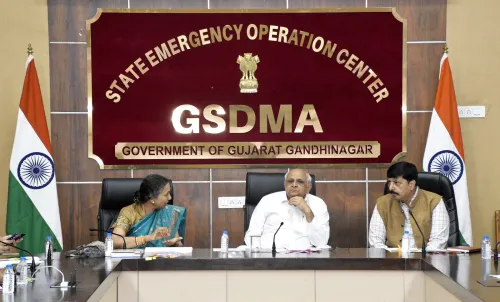
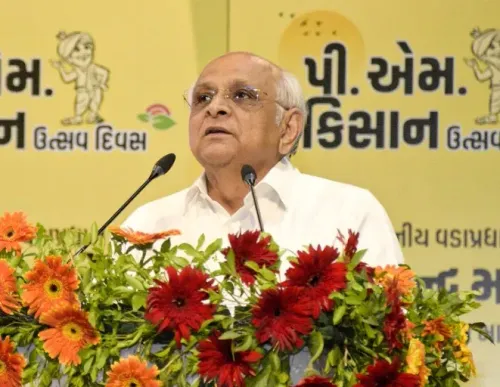
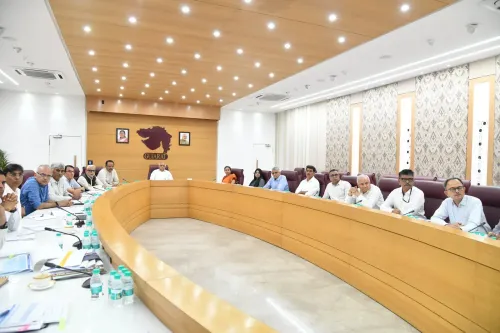
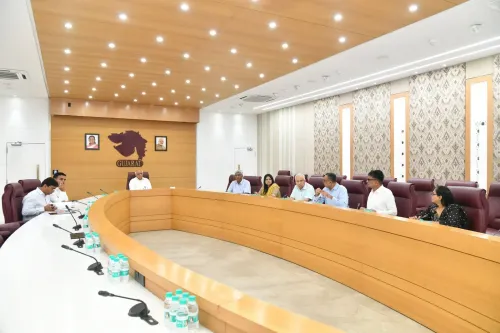
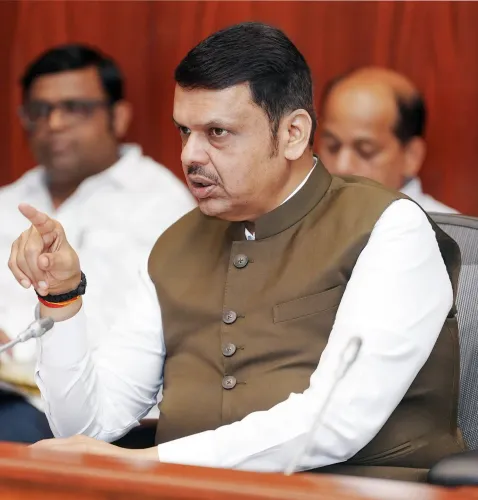
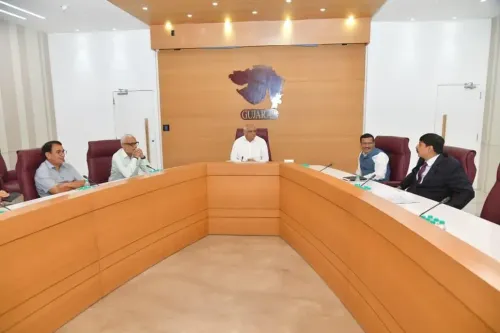
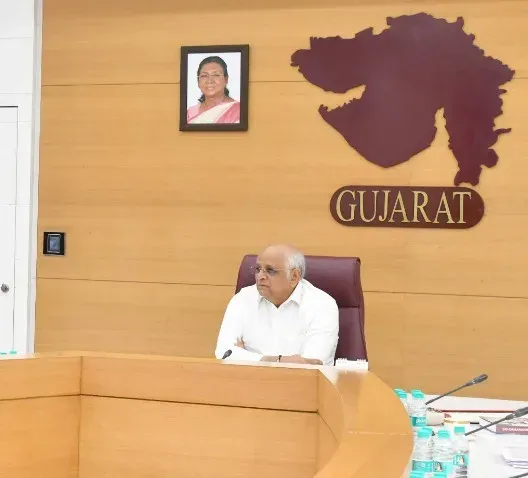
Chief Minister Bhupendra Patel chaired a high-level El Niño preparedness review in Gandhinagar on 18 June 2026 .
Narmada pipeline lake-filling eligibility radius expanded from 3 km to 7 km ; over 300 lakes in North Gujarat to be filled.
Saurashtra reservoirs to be replenished under the SAUNI scheme .
More than 50 lakh farmers receiving real-time advisories via the AI-enabled Krushi Pragati platform.
Fodder buffer stock reported sufficient for up to two years .
Gujarat recorded 117% of normal rainfall in both 2006 and 2023 despite El Niño conditions, officials noted.
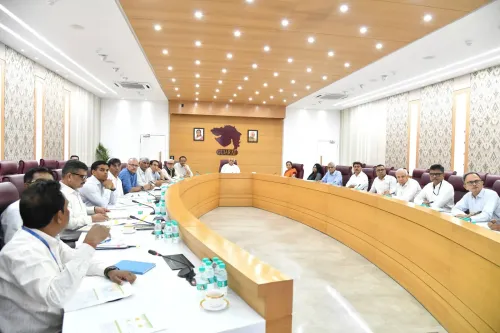
Chief Minister Bhupendra Patel on Thursday, 18 June chaired a high-level inter-departmental meeting in Gandhinagar to review Gujarat's preparedness for the potential impact of an El Niño weather phase, covering drinking water security, agricultural planning, and livestock management ahead of the monsoon season. The meeting was convened in response to the India Meteorological Department (IMD)'s forecast of a possible El Niño cycle that could affect rainfall patterns across the state.
Key Decisions from the Review Meeting
A significant operational change announced at the meeting was the expansion of the eligibility zone for filling village and taluka lakes using Narmada pipeline water. The radius has been extended from three km to seven km, substantially widening the network of water bodies that can be replenished.
The government has also directed that more than 300 lakes across North Gujarat be filled under existing water management arrangements. Reservoirs in Saurashtra are to be replenished under the SAUNI scheme, and water supply operations across the state are to be integrated more closely with the Narmada network to prevent any drinking water shortage.
What the Government Said
State spokesperson and Agriculture Minister Jitu Vaghani said the administration was operating in a coordinated mode under the Chief Minister's guidance. 'Integrated micro-level planning had been put in place across departments to manage potential risks related to rainfall variability,' he said. Senior officials from the agriculture, irrigation, water supply, Narmada, forest, and revenue departments attended the meeting.
Agricultural Contingency Planning
Officials confirmed that seed and fertiliser arrangements for the Kharif 2026 season are adequate. A contingency crop plan has been prepared to guide farmers toward short-duration, low-water-use varieties, backed by scientific advisories from agricultural departments and universities.
The agriculture department is deploying satellite-based monitoring to track soil moisture levels and crop health in real time. More than 50 lakh farmers are receiving weather updates and agricultural advisories through an AI-enabled 'Krushi Pragati' platform, delivered via SMS.
Livestock and Revenue Department Measures
The state has directed concerned departments to maintain adequate fodder reserves and make advance arrangements for adverse weather scenarios. Officials stated that the current buffer stock is sufficient for up to two years. The revenue department has been instructed to maintain round-the-clock coordination with district administrations.
Historical Context and Official Reassurance
The government cited historical data indicating that Gujarat experienced eight Kharif El Niño years between 2000 and 2026. Officials noted that not all such years resulted in below-normal rainfall — pointing to 2006 and 2023, when the state reportedly recorded 117 per cent of normal rainfall despite strong El Niño conditions. 'There was no need for alarm, and citizens must follow official guidance and avoid misinformation,' officials said. The review also covered the status of major reservoirs including the Sardar Sarovar dam.
With inter-departmental coordination now formalised and field-level monitoring activated, the state government is expected to issue further district-wise advisories as the monsoon season approaches.
Point of View
However, will be whether the contingency crop plan actually reaches small and marginal farmers in time for sowing decisions — satellite monitoring and SMS advisories are only as effective as last-mile delivery.
NationPress
19 Sept 2026
Frequently Asked Questions
Why did Gujarat hold an El Niño preparedness review in June 2026?
The Gujarat government convened the review in response to the IMD's forecast of a possible El Niño phase that could affect monsoon rainfall. Chief Minister Bhupendra Patel chaired the meeting on 18 June to align water, agriculture, livestock, and revenue departments on contingency measures before the monsoon season.
What is the Narmada lake-filling radius change and why does it matter?
The eligibility zone for filling village and taluka lakes using Narmada pipeline water has been extended from 3 km to 7 km. This significantly expands the number of water bodies that can be replenished, strengthening drinking water security across a wider area if monsoon rainfall falls short.
How is Gujarat supporting farmers during the El Niño threat?
The state has prepared a contingency crop plan recommending short-duration, low-water-use varieties for Kharif 2026. Over 50 lakh farmers are receiving real-time weather updates and advisories via the AI-enabled Krushi Pragati platform through SMS, backed by satellite-based soil moisture and crop health monitoring.
Has El Niño caused poor rainfall in Gujarat before?
Not always. According to state officials, Gujarat experienced eight Kharif El Niño years between 2000 and 2026, but in 2006 and 2023, the state reportedly recorded 117% of normal rainfall despite strong El Niño conditions. Officials have urged citizens to follow official guidance rather than react to misinformation.
What arrangements have been made for livestock in Gujarat?
The state has directed departments to maintain adequate fodder reserves, with the current buffer stock reportedly sufficient for up to two years. The revenue department has been asked to maintain round-the-clock coordination with district administrations to monitor the situation continuously.