Meghalaya CM Conrad Sangma flags 80% rainfall deficit, calls climate change existential crisis
Synopsis
Meghalaya recorded a staggering 80-per-cent rainfall deficit in June — and Chief Minister Conrad Sangma isn't waiting for the monsoon to correct itself. At a dedicated El Niño preparedness workshop in Shillong, he called climate change an 'existential crisis' and pushed for immediate action on water conservation, natural farming, and community mobilisation. The Northeast's rain-dependent economy is on notice.
Key Takeaways
Meghalaya CM Conrad K.
Sangma addressed an El Niño preparedness workshop in Shillong on 3 July .
The state recorded a rainfall deficit of over 80 per cent in June , raising alarm over agriculture and water availability.
Sangma called climate change an 'existential crisis' and urged immediate, coordinated action.
He highlighted natural farming and water conservation measures — including spring rejuvenation and check dams — as priority responses.
Meghalaya's natural farming initiatives have received appreciation from Prime Minister Narendra Modi , according to Sangma.
The workshop was attended by Deputy Commissioners , agricultural experts, and senior officials who deliberated on long-term food and water security strategies.
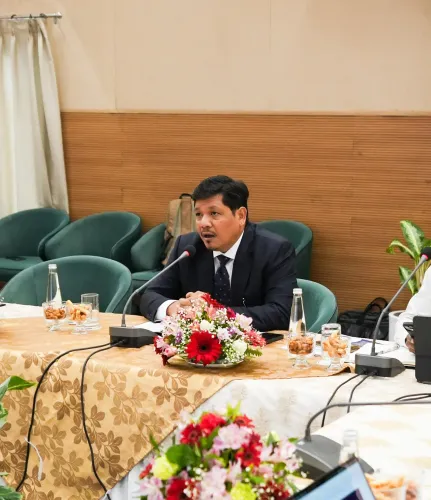
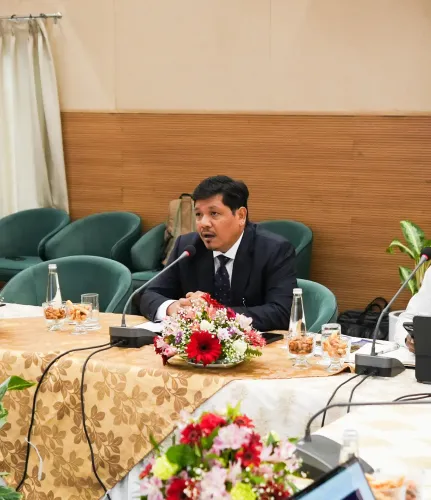
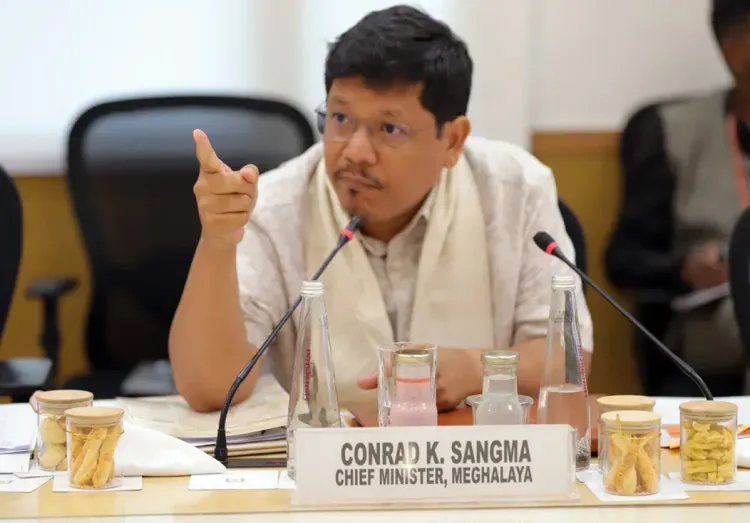
Meghalaya Chief Minister Conrad K. Sangma on Friday, 3 July described climate change as an 'existential crisis' and called for immediate, coordinated action to bolster the state's preparedness against the possible impact of El Niño, warning that Meghalaya recorded an alarming rainfall deficit of over 80 per cent in June. Sangma made the remarks while addressing a workshop in Shillong focused on developing a state response to El Niño and strengthening food and water security.
Key Developments at the Workshop
The workshop, titled 'Developing State Response for El Niño Preparedness: Strengthening Food and Water Security', brought together senior government officials, Deputy Commissioners, agricultural experts, and other stakeholders. Participants deliberated on strategies to fortify Meghalaya's resilience while securing long-term food and water supplies.
Sangma underscored the urgency of the situation, stating: 'Climate change is no longer a future challenge; it is our present reality. While forecasts may change, preparedness cannot wait.' He stressed that the state cannot afford to delay action while waiting for weather predictions to improve.
Agriculture and Water Security in Focus
Referring to the severe rainfall deficiency recorded in June, the Chief Minister said the shortfall demands proactive planning to minimise its impact on agriculture, drinking water availability, and livelihoods. He urged officials to adopt a flexible, data-driven, and adaptive approach in implementing mitigation measures.
Sangma highlighted sustainable agriculture and natural farming as key components of climate resilience, noting that Meghalaya's initiatives in natural farming have received national recognition, including appreciation from Prime Minister Narendra Modi. He called for innovation in farming practices suited to the state's unique geographical and climatic conditions.
Water Conservation and Infrastructure Measures
The Chief Minister emphasised the need for integrated measures including water conservation, spring rejuvenation, construction of check dams and reservoirs, and other water-retention structures to enhance long-term water security. He warned that every intervention taken today would determine the resilience of future generations, adding: 'We cannot wait for perfect plans. We must act now.'
Call for Community Participation
Sangma called for broader community involvement, urging elected representatives, traditional institutions, self-help groups, scientists, students, and youth organisations to actively contribute to climate resilience efforts. This comes amid growing concern that the Northeast's vulnerability to erratic monsoon patterns is deepening as global temperatures rise.
With El Niño conditions potentially intensifying through the remainder of 2025, Meghalaya's response framework — and how quickly it can be operationalised — will be closely watched by other rain-dependent northeastern states facing similar risks.
Point of View
Drinking water, and hydrology are almost entirely monsoon-dependent, it is a structural warning. Sangma's workshop is a step toward institutionalising preparedness, but the Northeast has repeatedly seen such deliberations produce frameworks that stall at implementation. The real test is whether the check dams get built, the springs get rejuvenated, and the natural farming push reaches smallholders before the next El Niño cycle hits. Climate resilience in India's hill states cannot remain a workshop agenda item.
NationPress
2 Oct 2026
Frequently Asked Questions
What did Meghalaya CM Conrad Sangma say about climate change?
Chief Minister Conrad K. Sangma described climate change as an 'existential crisis' at a workshop in Shillong on 3 July, calling for immediate and coordinated action. He warned that Meghalaya recorded a rainfall deficit of over 80 per cent in June and stressed that preparedness cannot wait for better weather forecasts.
What is El Niño and why is it a concern for Meghalaya?
El Niño is a periodic warming of Pacific Ocean surface temperatures that typically suppresses monsoon rainfall over South Asia. For Meghalaya — one of the world's wettest regions — a significant monsoon deficit, as seen in June 2025, threatens agriculture, drinking water supplies, and rural livelihoods.
What measures did the Meghalaya government propose for El Niño preparedness?
The state government proposed water conservation initiatives, spring rejuvenation, construction of check dams and reservoirs, and promotion of natural farming. Officials were urged to adopt a flexible, data-driven approach to implementing these mitigation measures.
Who attended the El Niño preparedness workshop in Shillong?
The workshop was attended by senior government officials, Deputy Commissioners, agricultural experts, and other stakeholders who discussed strategies to strengthen Meghalaya's food and water security in the face of El Niño impacts.
How has Meghalaya's natural farming initiative been recognised nationally?
According to Chief Minister Sangma, Meghalaya's natural farming initiatives have received national recognition, including appreciation from Prime Minister Narendra Modi. Sangma cited natural farming as a practical pathway to reduce the adverse effects of climate change.