Meghalaya CM Conrad Sangma orders El Nino preparedness push across all departments
Synopsis
With El Nino threatening to disrupt monsoons and stress Meghalaya's water and farm systems, Chief Minister Conrad Sangma has ordered every state department to move from planning to action — giving a six-to-twelve-month window for water harvesting, reservoir restoration, and climate-resilient farming to be in place before conditions deteriorate.
Key Takeaways
Chief Minister Conrad K.
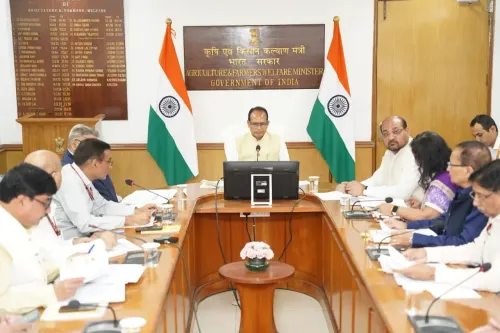
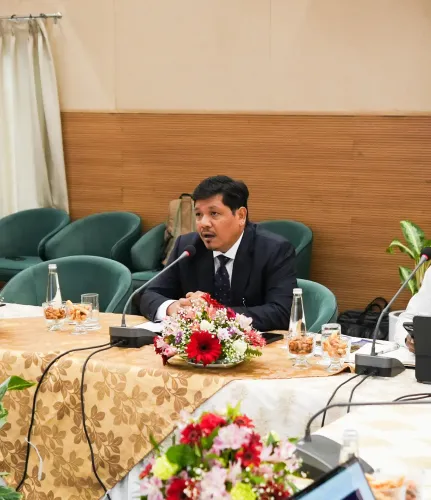
Sangma chaired the Meghalaya Climate Council meeting on 23 June in Shillong to review El Nino preparedness.
All state departments directed to convert contingency plans into actionable interventions within six to twelve months .
Water security identified as the top priority — desiltation of ponds, water harvesting structures, and groundwater recharge ordered on accelerated timelines.
India Meteorological Department officials briefed the meeting on forecasts and early warning systems.
Agriculture sector directed to ensure timely seed availability, strengthen irrigation, and promote climate-resilient farming .
Sangma called for climate preparedness to become a people's movement involving village institutions and self-help groups.
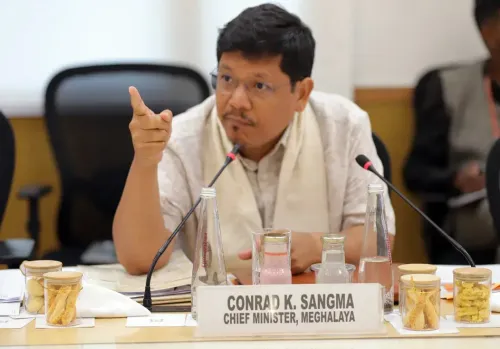
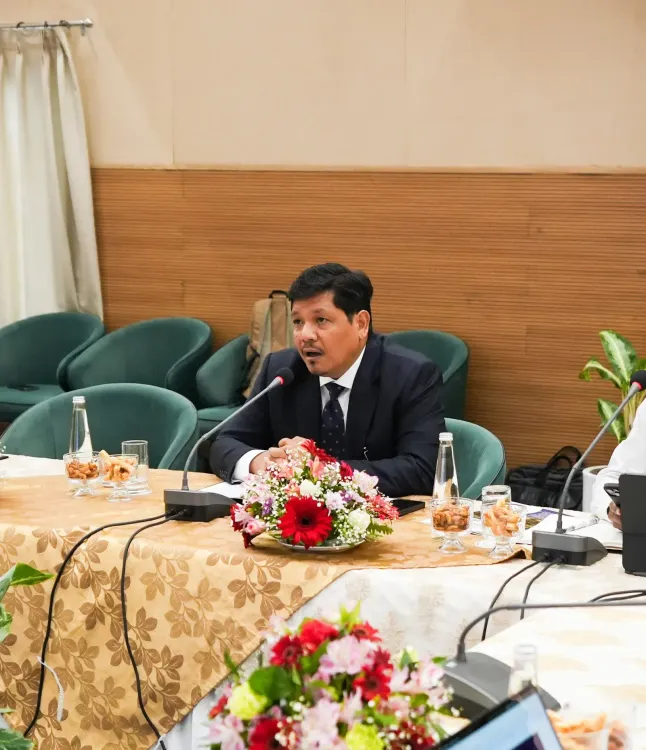
Meghalaya Chief Minister Conrad K. Sangma on Tuesday, 23 June directed all state government departments to intensify preparedness measures and translate contingency plans into concrete, actionable interventions as the northeastern state braces for the potential impact of an anticipated El Nino event. Chairing the Meghalaya Climate Council meeting at the State Guest House in Shillong, Sangma stressed that 'preparation before a crisis emerges is the best defence against climate uncertainties.'
Why El Nino Concerns Meghalaya
El Nino — a periodic warming of Pacific Ocean surface temperatures — is associated with disruptions in monsoon patterns, reduced rainfall, prolonged dry spells, and mounting stress on water resources and agriculture. For a state like Meghalaya, which depends heavily on monsoon rains to sustain its agrarian economy and drinking water supply, even a moderate El Nino can have cascading consequences.
Officials from the India Meteorological Department (IMD) briefed the meeting on current forecasts and early warning systems, underscoring the scientific basis for the government's heightened alert. While the precise impact on Meghalaya remains uncertain, Sangma made clear that the administration would not wait for adverse conditions to materialise before acting.
Key Directives from the Chief Minister
'We must prepare in advance and ensure that every department has clearly defined responsibilities and timelines,' Sangma said, directing officials to strengthen coordination and monitoring mechanisms across sectors. The meeting reviewed assessments covering rainfall trends, groundwater recharge, soil moisture levels, vulnerable agricultural zones, and water availability across the state.
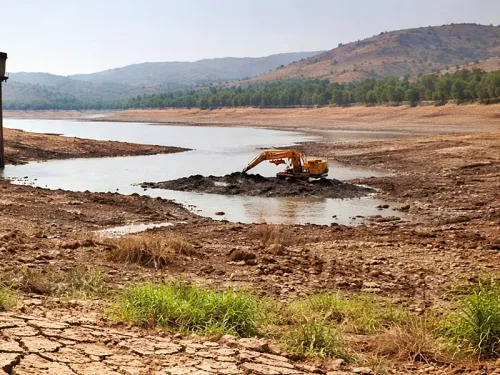
Sangma identified water security as the most urgent intervention area, calling for accelerated implementation of soil and water conservation projects. Departments were directed to focus on desiltation and restoration of ponds and reservoirs, construction of water harvesting structures, groundwater recharge initiatives, and catchment area protection — all to be executed over the next six to twelve months.
Agriculture and Food Security in Focus
The Chief Minister reviewed agriculture sector preparedness separately, instructing officials to ensure the timely availability of seeds and planting materials, strengthen irrigation support, and promote climate-resilient farming practices. Contingency plans related to drinking water supply, food security, disaster preparedness, and ecosystem conservation were also reviewed at the meeting.
Sangma directed departments to enhance dissemination of weather advisories through social media platforms and community networks, ensuring early warnings reach the last mile.
Community Participation as a Pillar of Preparedness
Emphasising a bottom-up approach, Sangma said climate preparedness must be transformed into a people's movement, actively involving village institutions, self-help groups, and local communities in water conservation and ecosystem protection. This community-centric framing aligns with broader Centre-level directives on climate adaptation that increasingly stress local ownership over top-down relief.
With El Nino forecasts still evolving, Meghalaya's proactive stance — anchored in inter-departmental coordination and community mobilisation — will be tested by how quickly departments can convert directives into ground-level action over the coming months.
Point of View
And the history of contingency plans in northeastern states is littered with frameworks that stalled at the departmental coordination stage. The emphasis on community participation is the right instinct, but village institutions and self-help groups need resources and training, not just exhortation. The real measure of this meeting will be whether water harvesting structures are actually built before the next dry spell — not whether the plan was announced.
NationPress
22 Sept 2026
Frequently Asked Questions
What is El Nino and why does it concern Meghalaya?
El Nino is a climate phenomenon involving the periodic warming of Pacific Ocean surface temperatures, which disrupts monsoon patterns and can cause reduced rainfall, prolonged dry spells, and stress on water and agricultural systems. Meghalaya, which depends heavily on monsoon rains, is particularly vulnerable to such disruptions.
What did Meghalaya CM Conrad Sangma direct at the Climate Council meeting?
Sangma directed all state departments to intensify preparedness and convert contingency plans into actionable interventions, with a focus on water security, agriculture resilience, and community participation. The directives cover a six-to-twelve-month implementation window.
Which areas did the Meghalaya Climate Council meeting prioritise?
The meeting prioritised water security — including desiltation of ponds, construction of water harvesting structures, and groundwater recharge — along with agriculture preparedness, food security, drinking water supply, disaster readiness, and ecosystem conservation.
What role will communities play in Meghalaya's El Nino response?
Chief Minister Sangma called for climate preparedness to be transformed into a people's movement, with village institutions, self-help groups, and local communities actively involved in water conservation and ecosystem protection efforts.
What is the timeline for implementing El Nino preparedness measures in Meghalaya?
The Chief Minister directed departments to implement soil and water conservation projects and related interventions over the next six to twelve months, ahead of any potential deterioration in weather conditions.