White House Declares Zero Tolerance on Illegal Alien Financial Access
Synopsis
The White House has declared zero tolerance for what it calls abuse of the US financial system through services extended to undocumented immigrants, signalling potential Treasury and FinCEN regulatory action affecting banks nationwide.
Key Takeaways
The White House posted on August 7, 2026 declaring 'ZERO tolerance' for financial services extended to undocumented immigrants.
The statement targets what the administration calls 'blatant abuse' of the US financial system.
The Treasury Department and FinCEN are the primary agencies expected to translate this signal into regulatory guidance.
Banks offering ITIN-based accounts face heightened compliance scrutiny following the post.
Possible next steps include updated FinCEN guidance and congressional hearings on banking-access rules for undocumented individuals.
A hardline signal from the highest office in the United States: the White House has declared 'zero tolerance' for what it calls the 'blatant abuse' of the American financial system — and specifically called out the risks of extending financial services to undocumented immigrants.
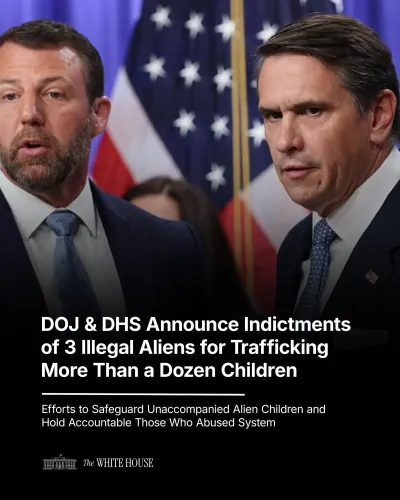
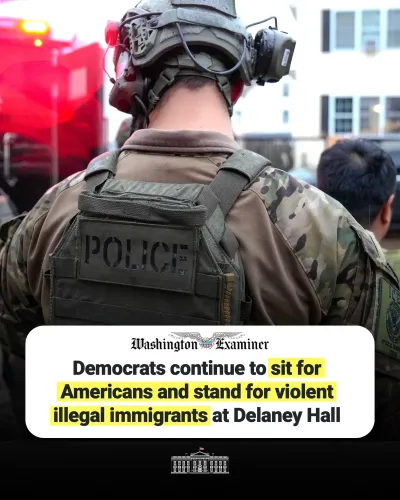
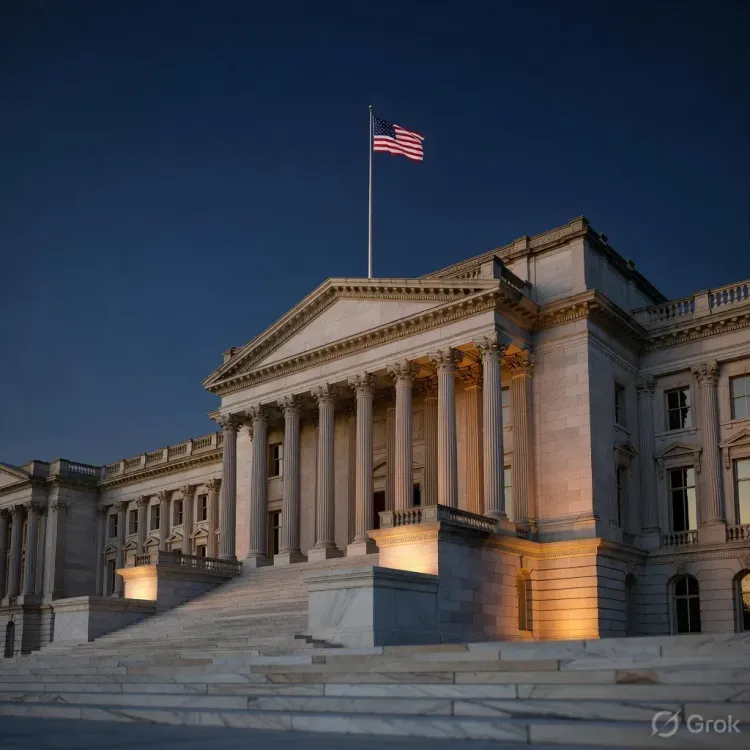
Posting on August 7, 2026, the official White House account stated: 'Under this administration, there will be ZERO tolerance for the blatant abuse of our financial system, and no tolerance for the risks created by extending financial services to illegal aliens.' The post accompanied an image and carries the unmistakable weight of executive-level policy signalling.
A Policy Posture With Deep Roots
This is not the first time immigration enforcement and financial regulation have been pulled into the same frame. The Trump administration's 2018 zero-tolerance immigration crackdown established the template: use every lever of federal authority — not just border enforcement, but regulatory, financial, and legal tools — to deter undocumented presence in the country. The financial dimension is more layered than it first appears. Banks and credit unions in the United States have long operated under federal anti-money-laundering rules that require customer identification. Regulatory guidance has periodically addressed how institutions should handle accounts for individuals without legal immigration status — a space where compliance risk, civil-rights concerns, and enforcement priorities collide. The Treasury Department and the Financial Crimes Enforcement Network (FinCEN) are the key agencies that translate executive posture into binding guidance for lenders.What Banks and Regulators Are Now Watching
For financial institutions, a statement this direct from the White House is a compliance signal — even before any formal rule is issued. Banks that have historically offered products such as ITIN-based accounts (designed for individuals with an Individual Taxpayer Identification Number but no Social Security number) will be watching closely for any Treasury or FinCEN guidance that changes their risk calculus. Congressional hearings on banking-access rules are another likely flashpoint. Lawmakers on both sides have staked out positions: some argue that excluding undocumented individuals from the formal financial system pushes transactions underground, increasing the very risks the administration says it wants to eliminate. Others align with the White House's framing that any access constitutes an unacceptable systemic vulnerability. The post's language — 'blatant abuse,' 'zero tolerance,' capitalised for emphasis — is a political temperature reading as much as a policy one. Whether it translates into executive orders, regulatory rewrites, or enforcement actions against specific institutions is the question every compliance officer in Washington DC is now asking. The next move belongs to the Treasury — and the financial sector will not wait long to find out what it looks like.Point of View
Including financial regulation, to reinforce immigration enforcement. For Indian observers, this matters because it reflects how the US government increasingly treats financial system access as an instrument of immigration control — a model other democracies may watch closely. The key test is whether the rhetoric hardens into binding Treasury or FinCEN guidance, or remains a political posture ahead of congressional action.
NationPress
8 Aug 2026
Frequently Asked Questions
What did the White House say about illegal aliens and financial services?
The White House declared 'zero tolerance' for what it called the blatant abuse of the US financial system and for risks created by extending financial services to undocumented immigrants, posting the statement on August 7, 2026.
Can undocumented immigrants open bank accounts in the US?
Under existing rules, some US banks have offered ITIN-based accounts to individuals without Social Security numbers, including undocumented immigrants. The White House statement signals this practice may face new regulatory scrutiny.
Which US agencies oversee banking rules for undocumented immigrants?
The Treasury Department and its Financial Crimes Enforcement Network (FinCEN) are the primary regulators that issue guidance to banks on customer identification and compliance risks tied to immigration status.
What is zero tolerance immigration policy in the US?
Zero tolerance immigration policy, first formally declared in 2018 under the Trump administration, refers to strict federal enforcement of immigration laws using all available legal and regulatory tools, with no exceptions or prosecutorial discretion.
How does this White House statement affect Indian immigrants in the US?
The statement specifically targets undocumented individuals. Legal immigrants, including those on valid visas or green cards, are not the stated focus — but the broader regulatory environment for financial services and immigration compliance may tighten across the board.